



Planting and Growing Asiatic Lily

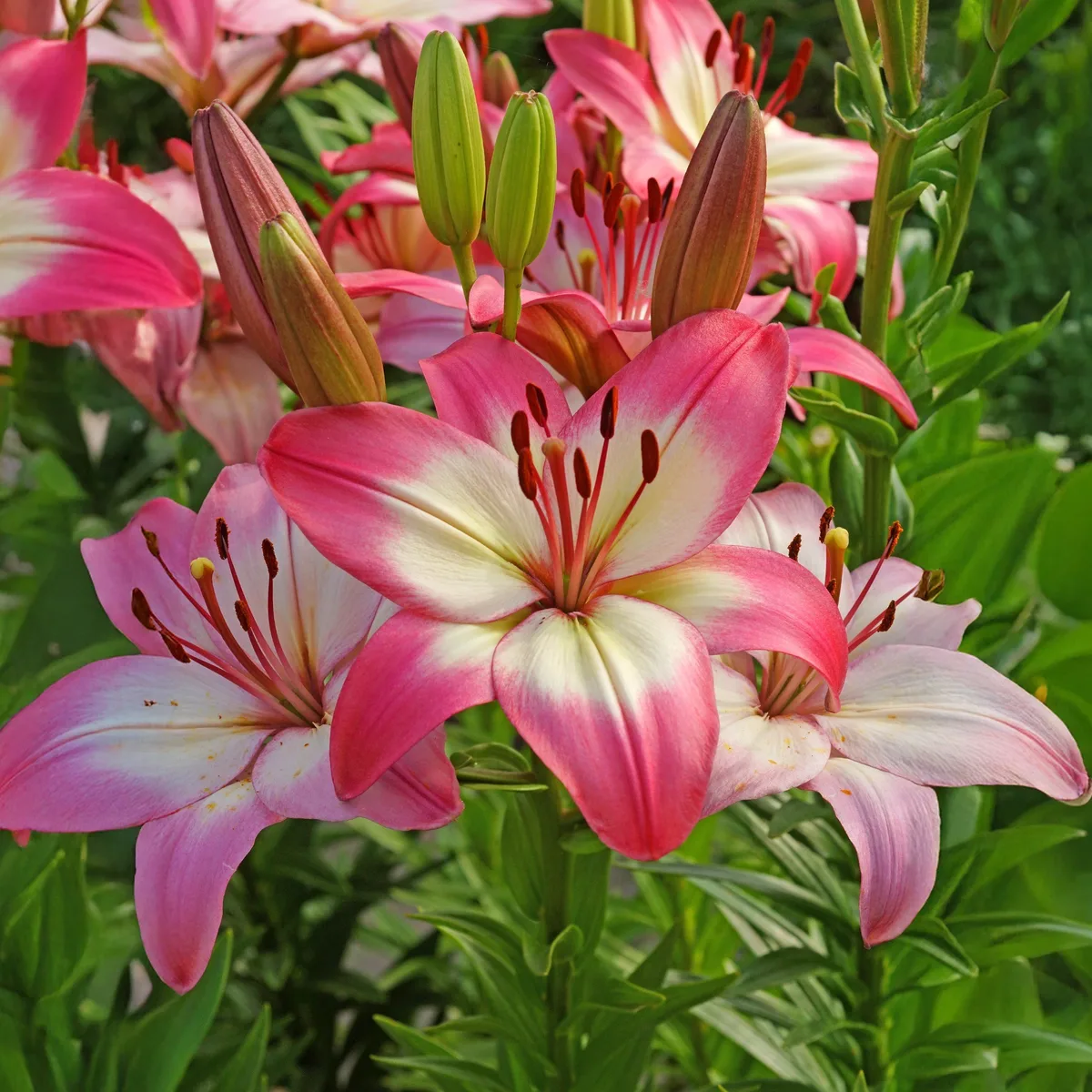
| Care difficulty | 2 / 5 |
|---|---|
| Watering schedule | Keep soil moist but not waterlogged |
| Sunlight requirements | Full sun |
| Ideal temperature | 15 – 25 °C |
| Soil type | Loam · Sand |
| Soil pH | Neutral |
| Soil moisture | Moist but well drained |
| Fertilizing | Every 2 weeks during growing season |
| Toxicity | All parts of the plant are highly toxic to cats and can cause severe kidney failure; also mildly toxic to humans if ingested. |
How to Water Asiatic Lily?
Keep soil moist but not waterlogged
Learn more →What Are the Sunlight Requirements for Asiatic Lily?
Full sun
Learn more →What Is the Ideal Temperature Range for Asiatic Lily?

15 – 25 °C
Learn more →What Soil Is Best for Asiatic Lily?
- Soil type
- Loam · Sand
- Soil pH
- Neutral
What Are the Moisture Requirements for Asiatic Lily?
Moist but well drained
Learn more →How to Fertilize Asiatic Lily?

Every 2 weeks during growing season
Learn more →How to Prune Asiatic Lily?

Deadhead spent flowers to prevent seed formation, but allow stems and leaves to die back naturally. Remove all dead foliage in autumn.
Learn more →How to Propagate Asiatic Lily?

Propagate by separating offsets (small bulbs) from the parent bulb in autumn or early spring and replanting immediately. Alternatively, use bulb scales taken in late summer; place them in moist compost and keep at 15-20°C until bulblets form.
Learn more →How to Plant Asiatic Lily?
Plant bulbs in autumn or spring in fertile, well-drained soil in full sun. Set bulbs at a depth two to three times their height. Water regularly during the growing season but avoid waterlogging. After flowering, cut back flower stems but leave the foliage to die back naturally to nourish the bulb. Apply a balanced liquid fertiliser every two weeks during active growth. In cold regions, apply a winter mulch for protection.
Learn more →Common Pests & Diseases

Diseases
Susceptible to botrytis (grey mould) and lily virus. Ensure good air circulation and avoid overhead watering to reduce disease risk.
Pests
Common pests include aphids, red spider mites, and lily beetles (Lilioceris lilii). Regular inspection and prompt treatment recommended.
Explore the plant health library →The Toxicity of Asiatic Lily
All parts of the plant are highly toxic to cats and can cause severe kidney failure; also mildly toxic to humans if ingested.