



Planting and Growing Fukien Tea

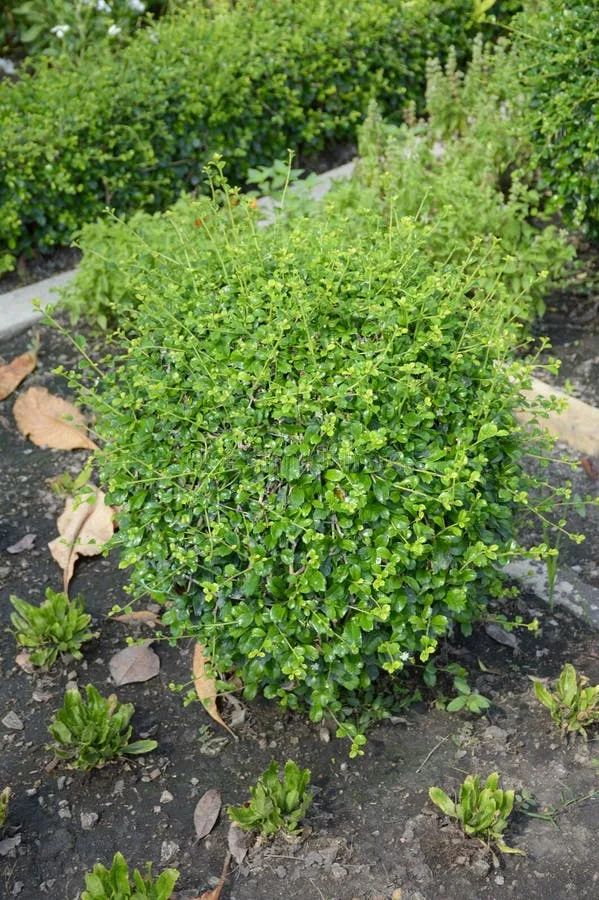
| Care difficulty | 2 / 5 |
|---|---|
| Watering schedule | Keep soil moist, allow top layer to dry slightly between waterings |
| Sunlight requirements | Full sun · Partial shade |
| Ideal temperature | Information to be completed |
| Soil type | Loam · Sand |
| Soil pH | Neutral · Acid |
| Soil moisture | Moist but well drained |
| Fertilizing | Every 2 weeks during growing season |
| Toxicity | Non-toxic to humans and pets. |
How to Water Fukien Tea?
Keep soil moist, allow top layer to dry slightly between waterings
Learn more →What Are the Sunlight Requirements for Fukien Tea?
Full sun · Partial shade
Learn more →What Soil Is Best for Fukien Tea?
- Soil type
- Loam · Sand
- Soil pH
- Neutral · Acid
What Are the Moisture Requirements for Fukien Tea?
Moist but well drained
Learn more →How to Fertilize Fukien Tea?

Every 2 weeks during growing season
Learn more →How to Prune Fukien Tea?

Prune in early spring to remove dead or overcrowded branches and shape the plant. For bonsai, prune back new growth to 1-2 leaves to encourage branch ramification.
Learn more →How to Propagate Fukien Tea?

Propagate by semi-ripe cuttings taken in summer. Use a rooting hormone and place in a well-drained cutting mix, kept humid and warm (20-25°C). Seeds can also be sown in spring, but germination is slower and less reliable.
Learn more →How to Plant Fukien Tea?
Plant in well-drained, loamy or sandy soil with a neutral to slightly acidic pH. Water regularly to keep the soil consistently moist but not waterlogged, reducing watering in winter. Apply a balanced liquid fertilizer every two weeks during the growing season (spring to autumn). Protect from temperatures below 10°C; in cooler climates, grow indoors or in a heated greenhouse. Prune in early spring to shape and maintain compact growth.
Learn more →Common Pests & Diseases

Diseases
Susceptible to root rot if overwatered or kept in poorly drained soil. Powdery mildew may occur in humid conditions with poor air circulation.
Pests
Common pests include spider mites, aphids, and scale insects, especially when grown indoors in dry air.
Explore the plant health library →The Toxicity of Fukien Tea
Non-toxic to humans and pets.