



Planting and Growing Feather Reed Grass

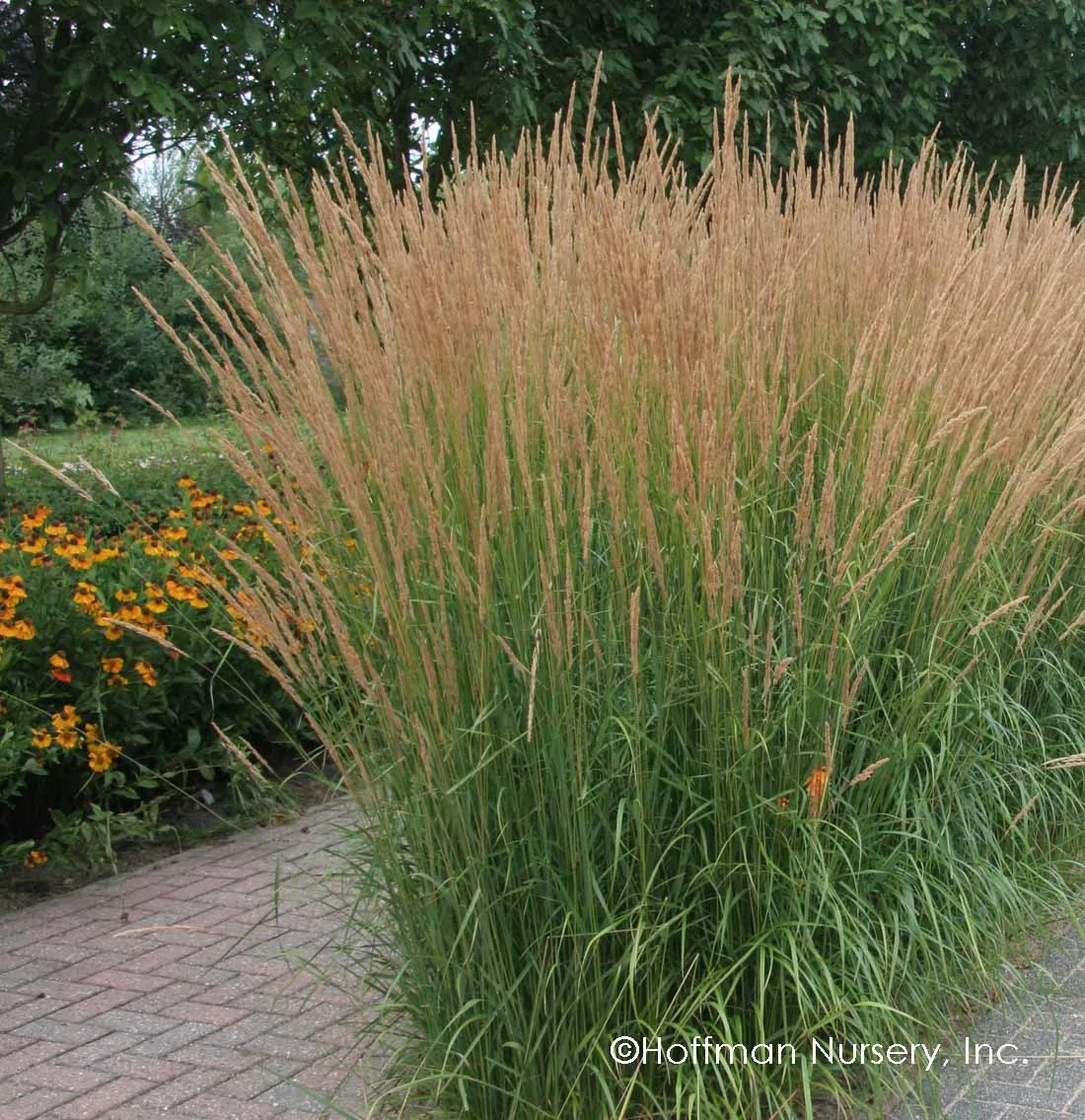
| Care difficulty | 2 / 5 |
|---|---|
| Watering schedule | Keep soil evenly moist |
| Sunlight requirements | Full sun |
| Ideal temperature | Information to be completed |
| Soil type | Loam |
| Soil pH | Neutral |
| Soil moisture | Moist but well drained |
| Fertilizing | Once in spring with a balanced fertilizer |
| Toxicity | Non-toxic to humans and pets. |
How to Water Feather Reed Grass?
Keep soil evenly moist
Learn more →What Are the Sunlight Requirements for Feather Reed Grass?
Full sun
Learn more →What Soil Is Best for Feather Reed Grass?
- Soil type
- Loam
- Soil pH
- Neutral
What Are the Moisture Requirements for Feather Reed Grass?
Moist but well drained
Learn more →How to Fertilize Feather Reed Grass?

Once in spring with a balanced fertilizer
Learn more →How to Prune Feather Reed Grass?

Cut back to ground level in late winter or early spring before new growth
Learn more →How to Propagate Feather Reed Grass?

Divide clumps in spring or autumn. Lift the clump, separate into smaller sections ensuring each has roots, and replant. Alternatively, sow seeds in containers in spring.
Learn more →How to Plant Feather Reed Grass?
Grow in full sun to partial shade in moist, fertile, well-drained soil. Cut back to ground level in late winter or early spring before new growth appears. Divide clumps every 3-4 years to maintain vigour. Tolerant of a wide range of soil types including clay. Apply a balanced fertilizer in spring.
Learn more →Common Pests & Diseases

Diseases
Generally disease-free. May be affected by rust in humid conditions.
Pests
Generally pest-free. Occasionally sawfly or aphids may appear.
Explore the plant health library →The Toxicity of Feather Reed Grass
Non-toxic to humans and pets.