



Planting and Growing Asian white birch

| Care difficulty | 2 / 5 |
|---|---|
| Watering schedule | Keep soil moist during establishment; once mature, water only during extended dry periods. |
| Sunlight requirements | Full sun |
| Ideal temperature | Information to be completed |
| Soil type | Loam · Sand |
| Soil pH | Acid · Neutral |
| Soil moisture | Moist but well drained |
| Fertilizing | Once in early spring with a balanced slow-release fertilizer. |
| Toxicity | Non-toxic to humans and pets. |
How to Water Asian white birch?
Keep soil moist during establishment; once mature, water only during extended dry periods.
Learn more →What Are the Sunlight Requirements for Asian white birch?
Full sun
Learn more →What Soil Is Best for Asian white birch?
- Soil type
- Loam · Sand
- Soil pH
- Acid · Neutral
What Are the Moisture Requirements for Asian white birch?
Moist but well drained
Learn more →How to Fertilize Asian white birch?

Once in early spring with a balanced slow-release fertilizer.
Learn more →How to Prune Asian white birch?

Prune in late winter to early spring when dormant, removing dead, diseased or crossing branches. Avoid heavy pruning as it may cause excessive sap bleeding.
Learn more →How to Propagate Asian white birch?

Sow fresh seeds in autumn in a cold frame; germination is often improved by a period of cold stratification. Softwood cuttings can be taken in early summer, but success is low. Grafting onto Betula pendula rootstock is sometimes used for selected forms.
Learn more →How to Plant Asian white birch?
Grow in moist but well-drained acidic to neutral soil in full sun. It tolerates light sandy soils but not heavy clay or prolonged drought. Established trees require little watering, but young plants need regular moisture during dry spells. Apply a balanced fertilizer in early spring. No pruning is necessary except to remove dead or crossing branches in late winter.
Learn more →Common Pests & Diseases

Diseases
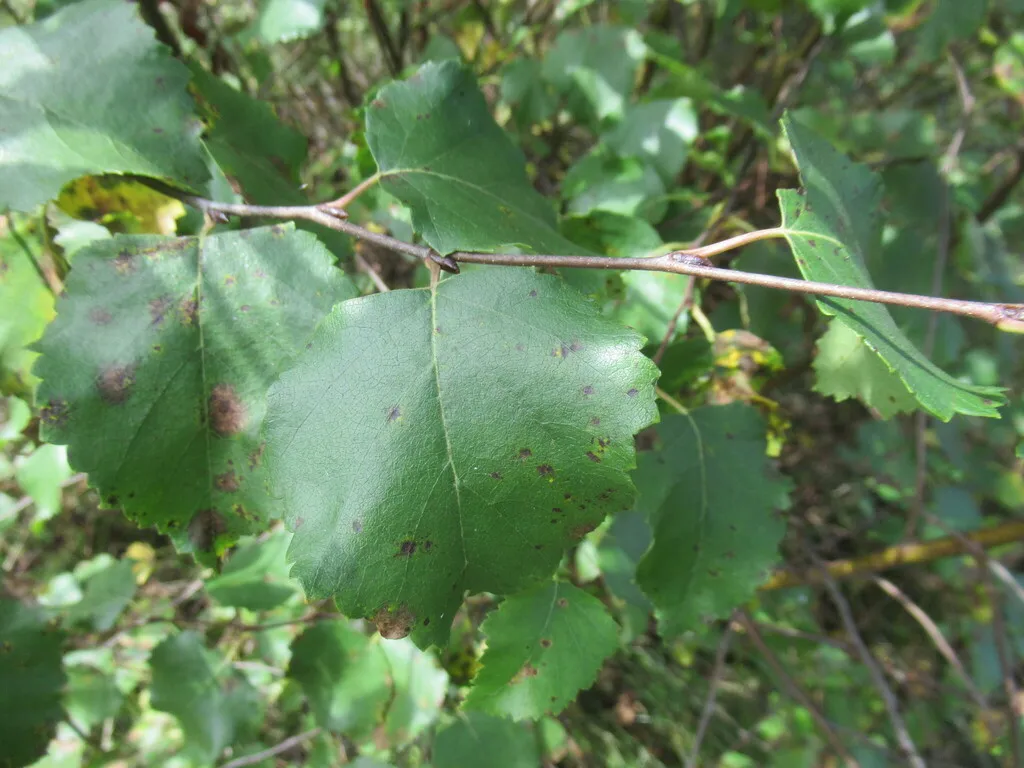
Susceptible to birch rust, anthracnose, and leaf spot diseases; ensure good air circulation and avoid overhead watering.
Pests
Common pests include birch leaf miner, aphids, and borers. Monitor regularly and treat if infestation is severe.
Explore the plant health library →The Toxicity of Asian white birch
Non-toxic to humans and pets.