



Planting and Growing false African violet

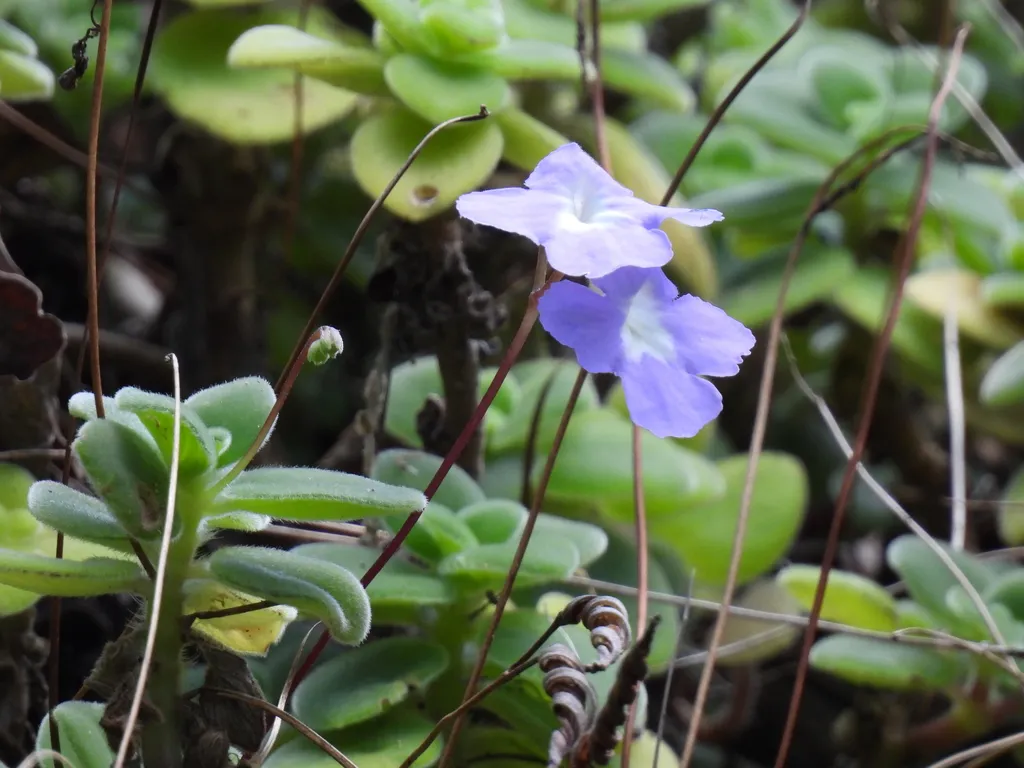
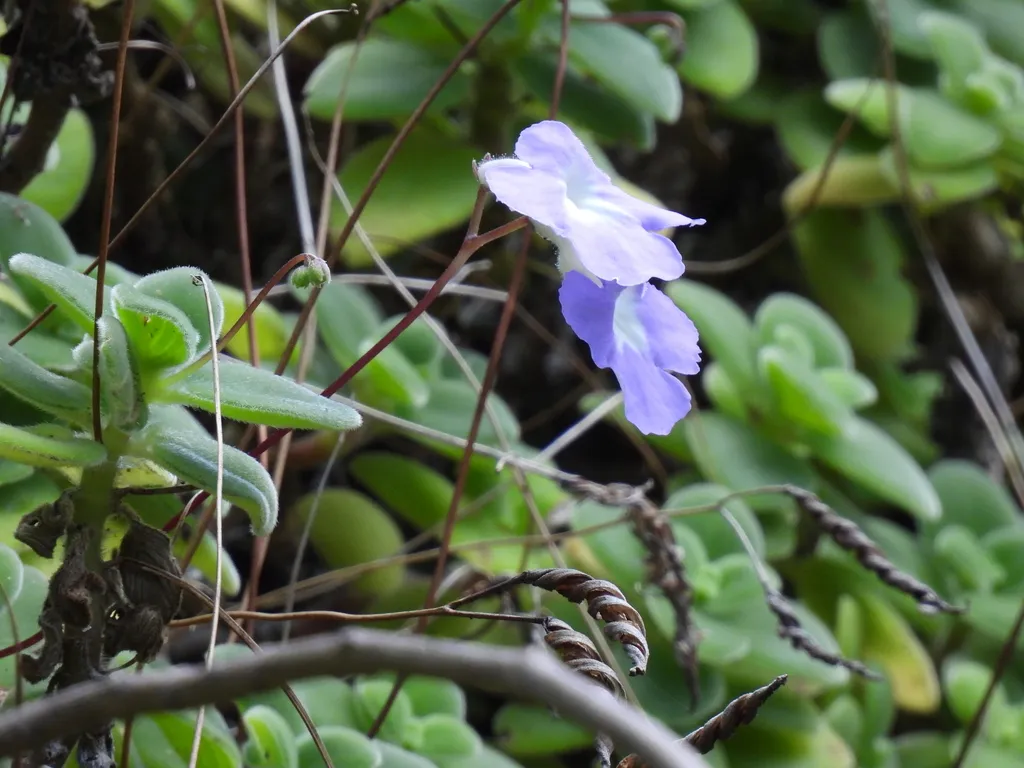
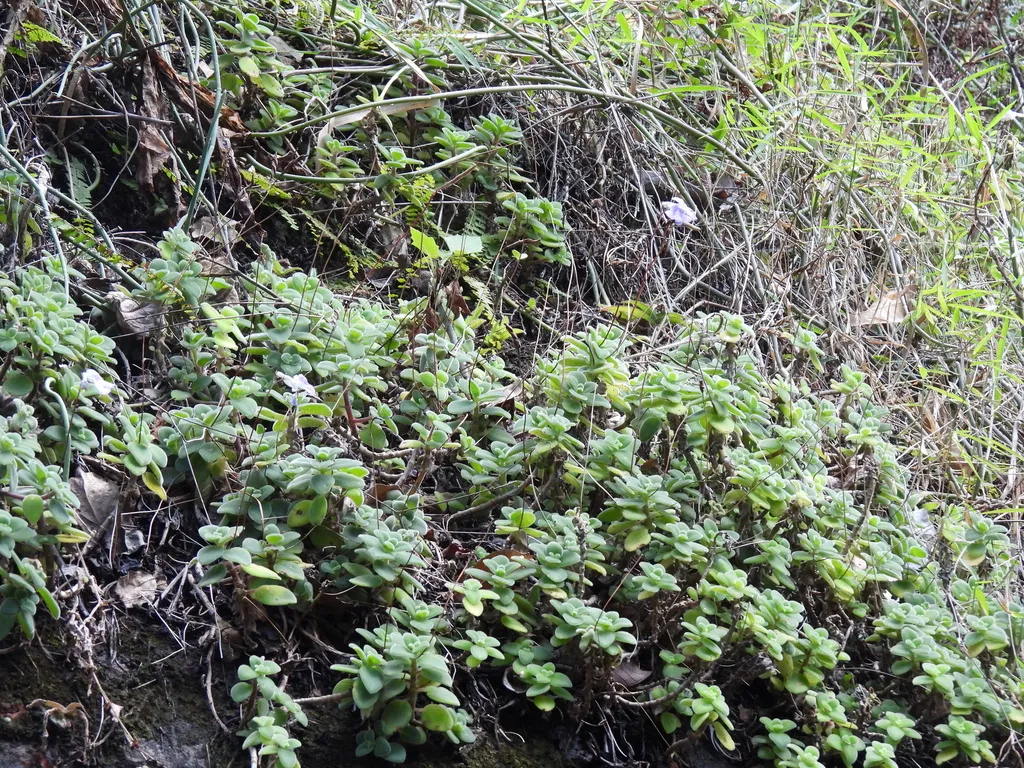
| Care difficulty | 2 / 5 |
|---|---|
| Watering schedule | Keep compost evenly moist with bright shade and good humidity |
| Sunlight requirements | Partial shade |
| Ideal temperature | 18 – 27 °C |
| Soil type | Chalk · Clay · Sand |
| Soil pH | Acid · Alkaline · Neutral |
| Soil moisture | Moist but well drained |
| Fertilizing | Weak balanced feed every two to three weeks in active growth |
| Toxicity | Information to be completed |
How to Water false African violet?
Thriving in its native humid tropical environment, false african violet has adapted to require consistent moisture. This species is characterized by a preference for humidity and moderate drought tolerance. To maintain its lush foliage, false african violet should be watered twice a week. Given that false african violet is typically grown indoors due to its ornamental appeal, it's important to ensure the soil remains lightly moist without becoming waterlogged, especially during its active growing season.
Learn more →What Are the Sunlight Requirements for false African violet?
False african violet thrives best under partial sun conditions where it receives diffused or indirect light, protecting it from the harshness of direct midday sun rays. While it can tolerate full sun, excessive exposure may result in scorched leaves or reduced flowering. Insufficient light, however, can lead to leggy growth and hinder blooming. Indoors, false african violet is well-suited to east or north-facing windows, whereas outdoors, it benefits from dappled light under taller vegetation. False african violet's foliage may adapt in high-light areas, becoming darker to prevent photo-damage, ensuring the plant's resilience.
Learn more →What Is the Ideal Temperature Range for false African violet?

False african violet demonstrates a moderate tolerance to temperature variations. It can endure cold temperatures down to 5℃ (41℉) and heat up to 43℃ (109℉), showcasing its adaptability. Sensitivity to extreme cold or heat may cause symptoms such as leaf droop, discoloration, or stunted growth. Care involves shielding the plant from frost or scorching heat, making it suitable for temperate regions. In cold conditions, use insulating materials or indoor placement, and in high heat, provide ample water and shade. These measures ensure false african violet remains healthy despite occasional temperature swings.
Learn more →What Soil Is Best for false African violet?
False african violet thrives in well-aerated, well-draining soil. A suitable mix includes equal parts of potting mix, perlite, and peat to ensure proper drainage. If perlite is unavailable, pumice or coarse sand are alternatives. Ensure the mix allows water to flow freely to avoid water-logging, which can harm the plant. Incorporate slow-release fertilizer or small amounts of worm castings for added nutrients, applying them as directed by the product instructions to promote healthy growth.
- Soil type
- Chalk · Clay · Sand
- Soil pH
- Acid · Alkaline · Neutral
What Are the Moisture Requirements for false African violet?
Moist but well drained
Learn more →How to Fertilize false African violet?

For optimal growth, false african violet benefits from regular fertilization with high nitrogen formulas during its active growth season, generally spring to summer. A balanced 20-20-20 liquid fertilizer diluted to quarter strength, applied monthly, sustains flowering and plant vitality. Less frequent feeding, every 6-8 weeks with the same diluted solution, is adequate in fall and winter. Avoid over-fertilizing to prevent root burn—measure precisely. When feeding false african violet, ensure the soil is moist to promote even nutrient uptake and prevent root damage. As false african violet's growth slows in cooler months, reduce fertilization to avoid nutrient accumulation in the soil, which can lead to salt buildup.
Learn more →How to Prune false African violet?

Known for its attractive, velvety leaves and delicate flowers, false african violet benefits significantly from pruning. Early to mid-spring is optimal for this process, aligning with its growth cycle. Trim dead or yellowing leaves to encourage healthy new growth and prevent disease. Snip faded flowers at the base to promote blooming. Regular pruning not only improves the plant's aesthetic appeal but also enhances air circulation and light penetration, supporting overall vitality. Reference: American Horticultural Society Pruning Manual.
Learn more →How to Propagate false African violet?

False african violet, typically propagated through cuttings in spring or summer. With moderate difficulty, success is evident by new growth. Keep cuttings in well-draining soil and maintain high humidity to encourage root development.
Learn more →How to Transplant false African violet?
The perfect time to transplant false african violet is during late spring, as warmer temperatures help its roots establish faster. Choose a partially shaded location and keep its soil moist. Remember to handle its delicate roots gently while transplanting for a successful growth!
Learn more →How to Care for false African violet in Winter?

Information to be completed
Learn more →How to Plant false African violet?
Indoors-potted: In the cozy confines of your home, false african violet thrives with ample ambient humidity to keep its evergreen foliage vibrant. Outdoors-potted: When placed in a sheltered outdoor nook, false african violet appreciates being rotated regularly for uniform growth and flowering. Outdoors-in the ground: False african violet is not commonly cultivated outdoors in the ground due to its sensitivity to environmental changes; caution is advised.
Learn more →How to Repot false African violet?
For false african violet, repot every 2-3 years to accommodate its moderate growth. Pick early spring for vibrant growth cycles. Choose a pot slightly larger than the current one, ensuring robust development without overwhelming it. After repotting, provide bright, indirect light and maintain moist soil without waterlogging. This tailored care ensures false african violet thrives with its unique, cascading foliage.
Learn more →How to Harvest false African violet?

Information to be completed
Learn more →Common Pests & Diseases

Diseases
May be susceptible to grey moulds (botrytis) or powdery mildews
Pests
May be susceptible to glasshouse leafhoppers, mealybugs, thrips, vine weevil and tarsonemid mite
Explore the plant health library →The Toxicity of false African violet
Information to be completed