



Planting and Growing Wax Plant

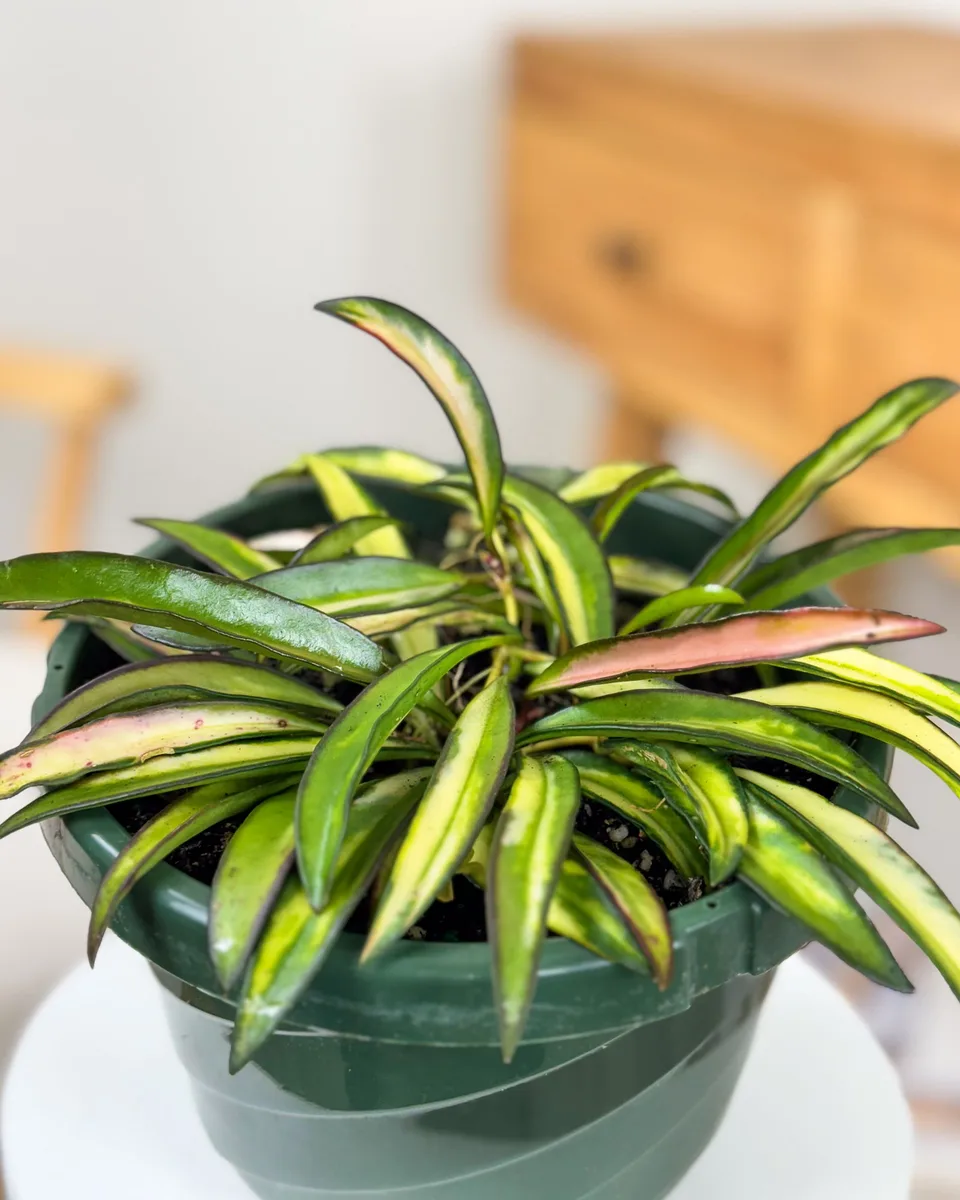
| Care difficulty | 2 / 5 |
|---|---|
| Watering schedule | Water thoroughly, then allow top 2-3 cm of soil to dry before next watering. |
| Sunlight requirements | Bright indirect light |
| Ideal temperature | Information to be completed |
| Soil type | Sand · Peat |
| Soil pH | Neutral · Acid |
| Soil moisture | Well-drained · Dry between watering |
| Fertilizing | Every 4-6 weeks during spring and summer. |
| Toxicity | Mildly toxic if ingested; sap may cause skin irritation in some people. |
How to Water Wax Plant?
Water thoroughly, then allow top 2-3 cm of soil to dry before next watering.
Learn more →What Are the Sunlight Requirements for Wax Plant?
Bright indirect light
Learn more →What Soil Is Best for Wax Plant?
- Soil type
- Sand · Peat
- Soil pH
- Neutral · Acid
What Are the Moisture Requirements for Wax Plant?
Well-drained · Dry between watering
Learn more →How to Fertilize Wax Plant?

Every 4-6 weeks during spring and summer.
Learn more →How to Prune Wax Plant?

Prune after flowering to maintain shape and encourage bushiness. Remove dead or yellowing leaves anytime.
Learn more →How to Propagate Wax Plant?

Propagate from stem cuttings taken in spring or early summer. Use a sharp, clean knife to take 10-15 cm cuttings, remove lower leaves, and insert into moist, well-drained cutting compost. Keep at 20-25°C with high humidity. Rooting usually occurs within 4-6 weeks.
Learn more →How to Plant Wax Plant?
Grow in bright, indirect light; avoid direct sun which can scorch the leaves. Use a well-drained, moderately fertile potting mix, such as one based on peat or coir with added perlite. Water moderately, allowing the compost to dry out between waterings; reduce watering in winter. Maintain high humidity by misting or placing on a pebble tray. Fertilize every 4-6 weeks during the growing season with a balanced liquid fertilizer diluted to half strength. Provide minimum winter temperatures of 10-15°C.
Learn more →Common Pests & Diseases

Diseases
Generally resistant to diseases if given good air circulation and not overwatered. Susceptible to root rot if kept too wet.
Pests
May be affected by mealybugs, scale insects, and aphids. Inspect regularly and treat with insecticidal soap or neem oil.
Explore the plant health library →The Toxicity of Wax Plant
Mildly toxic if ingested; sap may cause skin irritation in some people.