



Planting and Growing Dragon Bones

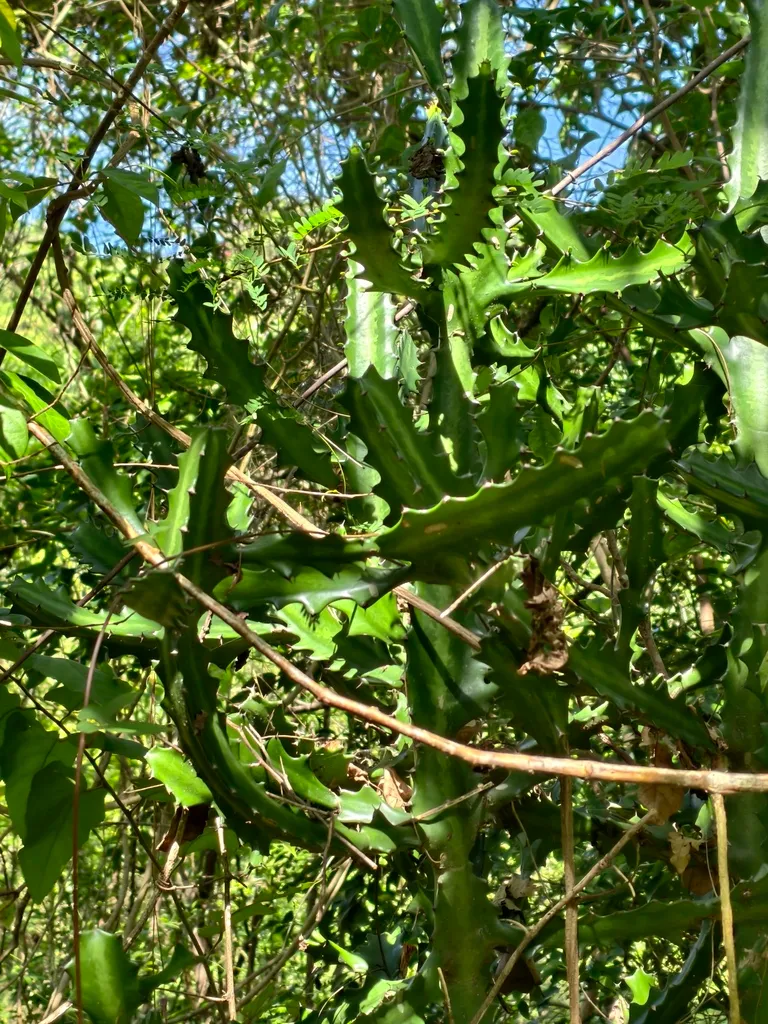
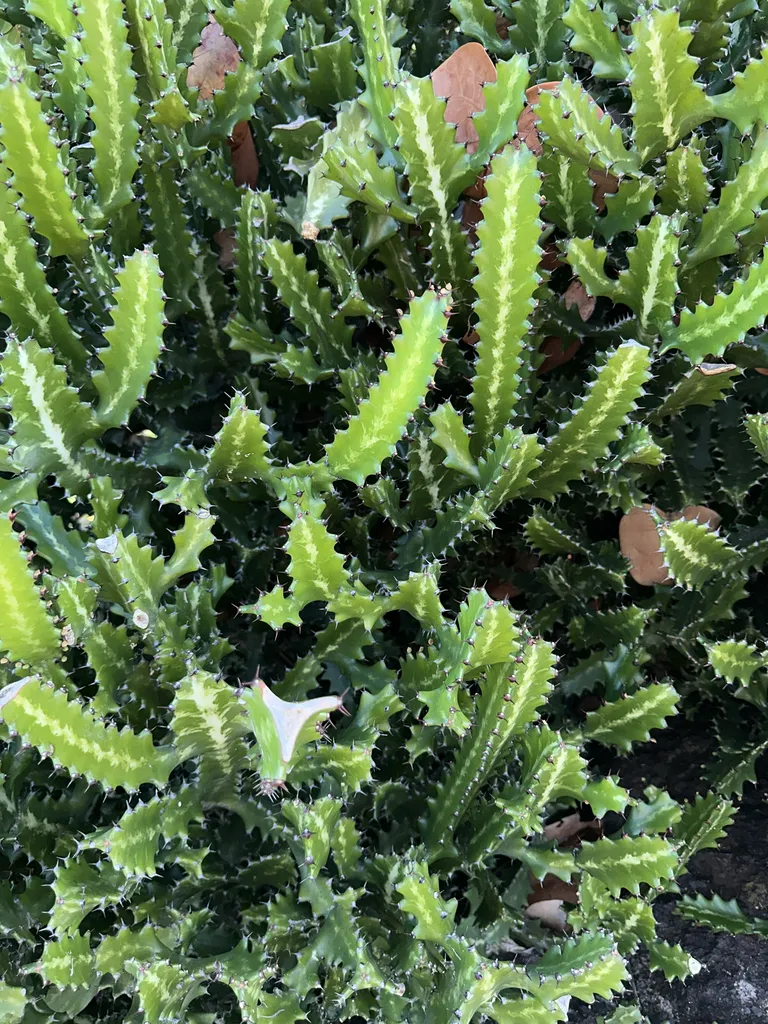

| Care difficulty | 2 / 5 |
|---|---|
| Watering schedule | Water thoroughly when soil is dry; allow to dry completely between waterings |
| Sunlight requirements | Full sun |
| Ideal temperature | Information to be completed |
| Soil type | Sand · Loam |
| Soil pH | Neutral |
| Soil moisture | Well-drained |
| Fertilizing | Every 2 weeks during spring and summer |
| Toxicity | The milky sap is toxic and can cause severe skin irritation, eye inflammation, and gastrointestinal distress if ingested; keep away from pets and children. |
How to Water Dragon Bones?
Water thoroughly when soil is dry; allow to dry completely between waterings
Learn more →What Are the Sunlight Requirements for Dragon Bones?
Full sun
Learn more →What Soil Is Best for Dragon Bones?
- Soil type
- Sand · Loam
- Soil pH
- Neutral
What Are the Moisture Requirements for Dragon Bones?
Well-drained
Learn more →How to Fertilize Dragon Bones?

Every 2 weeks during spring and summer
Learn more →How to Prune Dragon Bones?

Prune in early spring to control size or remove damaged stems. Wear gloves and eye protection as the latex is irritating. Use a clean, sharp knife and dust cuts with sulfur to prevent rot.
Learn more →How to Propagate Dragon Bones?

Propagate by stem cuttings taken in spring or summer. Allow the cutting to callus for 2-3 days before inserting into moist cactus compost. Keep at 20-25°C in bright indirect light. Roots usually form within 3-4 weeks. Seed propagation is slow and rarely used.
Learn more →How to Plant Dragon Bones?
Grow in a well-drained cactus or succulent compost with added grit or perlite. Provide bright, direct sunlight for at least 4-6 hours daily; a south-facing windowsill is ideal. Water moderately from spring to autumn, allowing the compost to dry out fully between waterings. In winter, reduce watering to almost dry. Fertilise every 2 weeks during the growing season with a balanced liquid fertiliser diluted to half strength. In frost-prone areas, keep indoors or in a heated greenhouse; minimum temperature 10°C, ideally 15°C.
Learn more →Common Pests & Diseases

Diseases
Susceptible to root rot if overwatered or kept in heavy soil. Stem rot may occur in humid, poorly ventilated conditions. Fungal leaf spots occasionally appear on young growth.
Pests
Common pests include mealybugs, scale insects, and spider mites, especially on indoor specimens. Inspect regularly and treat with insecticidal soap or neem oil.
Explore the plant health library →The Toxicity of Dragon Bones
The milky sap is toxic and can cause severe skin irritation, eye inflammation, and gastrointestinal distress if ingested; keep away from pets and children.