



Planting and Growing arrowhead vine

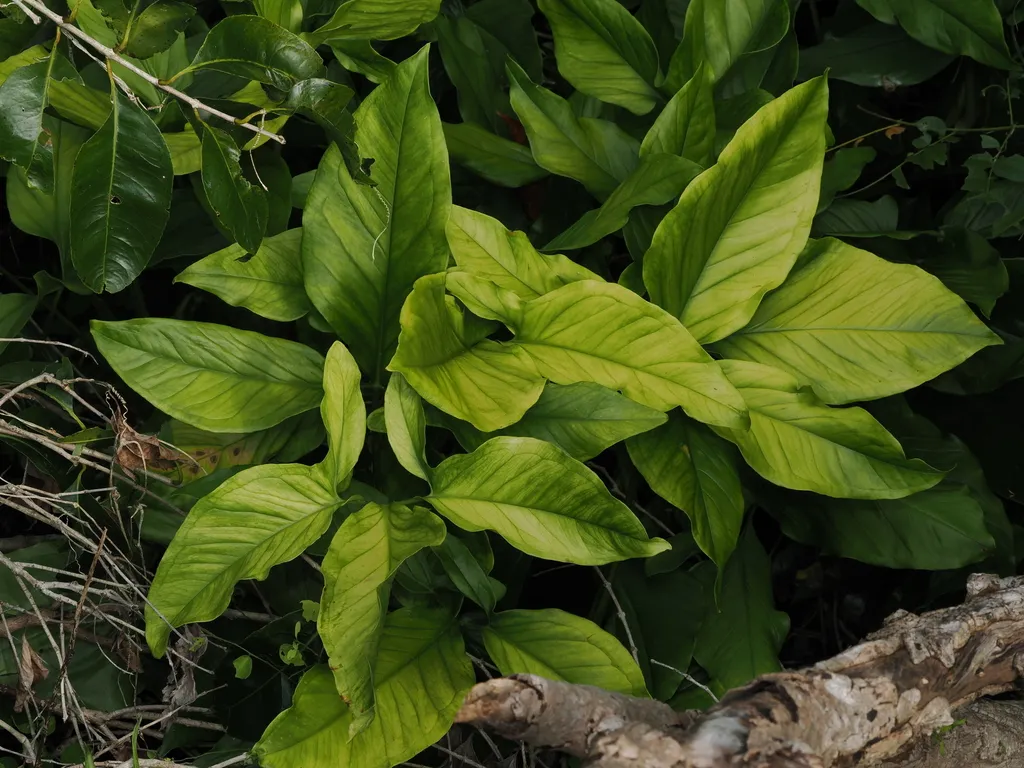
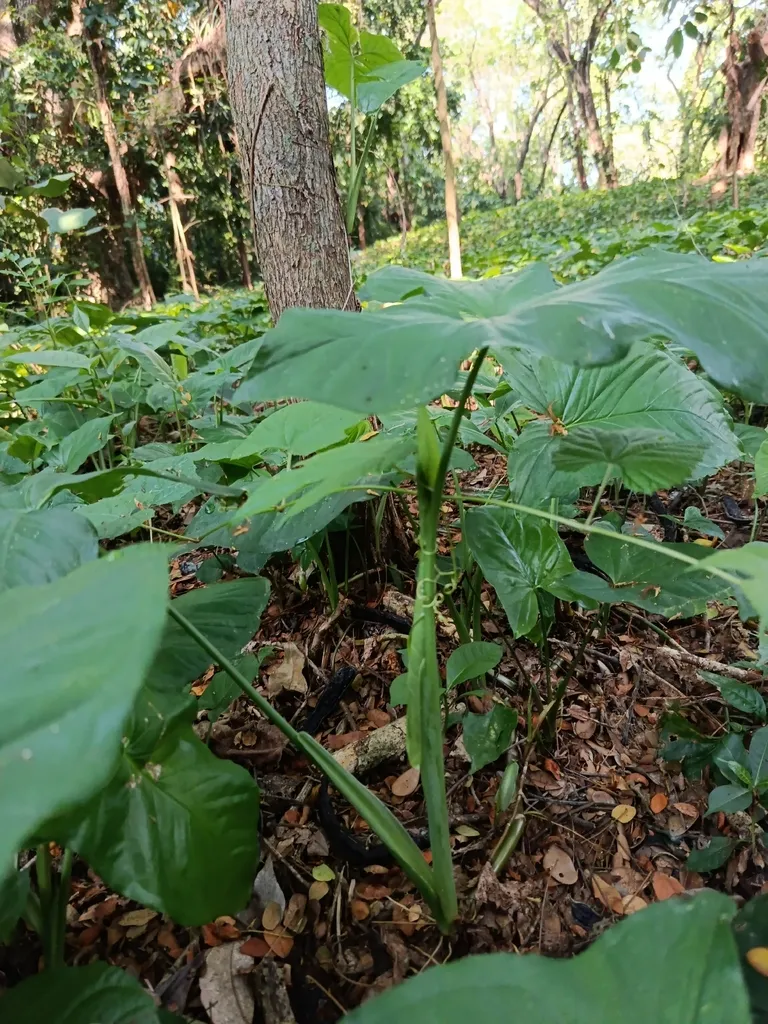
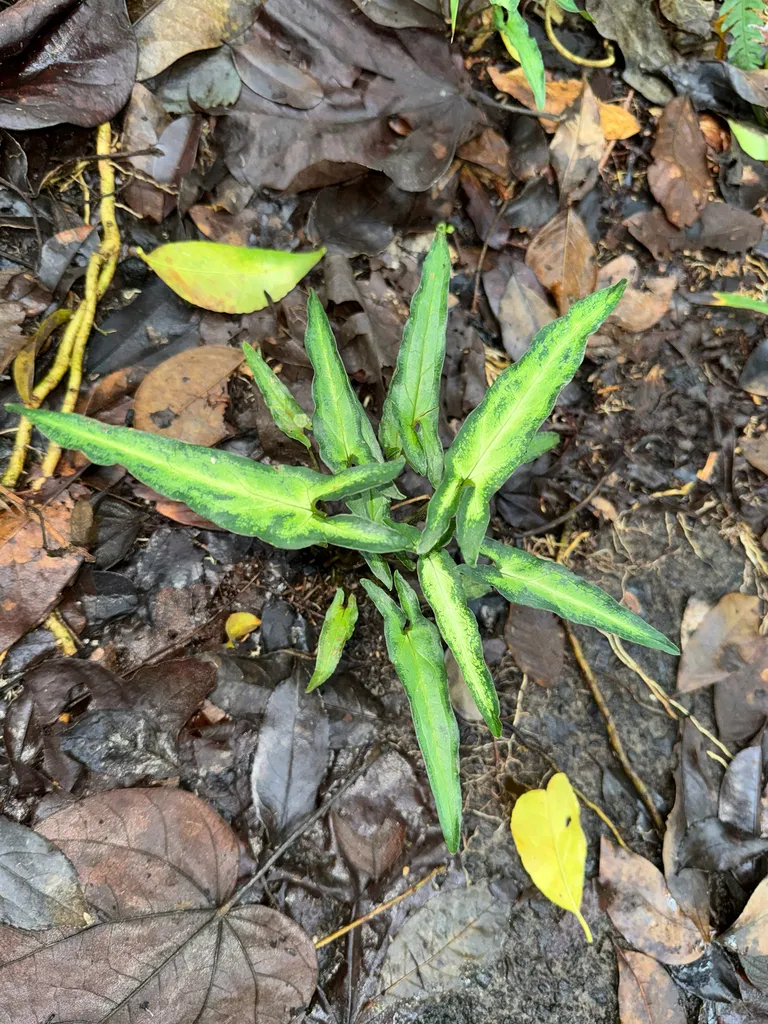
| Care difficulty | 2 / 5 |
|---|---|
| Watering schedule | Moderate regular watering, allowing brief slight drying between soakings |
| Sunlight requirements | Partial shade |
| Ideal temperature | 18 – 27 °C |
| Soil type | Loam |
| Soil pH | Acid · Alkaline · Neutral |
| Soil moisture | Moist but well drained |
| Fertilizing | Balanced perennial feed every four weeks from spring through summer |
| Toxicity | Harmful if eaten, skin/eye irritant. Wear gloves and other protective equipment when handling] |
How to Water arrowhead vine?
Originating from the humid tropical rainforests, arrowhead plant thrives in environments that mimic this moisture-rich habitat. Its water habits include a preference for consistent humidity, making it somewhat drought-sensitive. To maintain its lush foliage, arrowhead plant requires watering every week. Cultivated primarily indoors due to its need for stable conditions, arrowhead plant flourishes when the indoor climate includes high humidity levels which support its evergreen nature and promote healthy growth cycles.
Learn more →What Are the Sunlight Requirements for arrowhead vine?
Arrowhead plant thrives in full shade, which provides optimal light for robust growth and health. Despite favoring lower light intensity, arrowhead plant exhibits tolerance for partial sun, adapting well to brighter conditions to some extent. Too much direct sunlight, however, can lead to leaf burn, while insufficient light may cause leggy growth and reduced leaf variegation. Ideally, arrowhead plant should be positioned indoors near a north-facing window or outdoors in a spot with dappled light. Leaf coloration can vary based on light exposure, with richer hues in lower light environments, showcasing arrowhead plant's adaptability.
Learn more →What Is the Ideal Temperature Range for arrowhead vine?

Arrowhead plant demonstrates moderate resilience to temperature variations but is sensitive to extremes. It tolerates temperatures as low as 5℃ (41℉) and can endure heat up to 45℃ (113℉). This tolerance range implies that arrowhead plant requires protection during cold snaps or heatwaves. Symptoms of cold stress include stunted growth and leaf discoloration, while overheating may lead to leaf scorching and wilting. In cold conditions, use insulating materials or move the plant indoors; in extreme heat, ensure adequate hydration and shade. This adaptability makes arrowhead plant suitable for various climates, as long as protective measures are taken during temperature extremes.
Learn more →What Soil Is Best for arrowhead vine?
Arrowhead plant prefers acidic soil with rich humus and good drainage with a pH value of 5.5-6.5. The soil should be kept moist, especially in spring and summer. Watering should be reduced in autumn and winter to keep the soil almost dry. The soil should not be completely dry or too moist; root rot is likely to occur when the soil moisture is consistently too high. Choose a loose and breathable culture medium, such as a mixture of peat, leaf mold, and coarse sand (or vermiculite). Soil used for growing African violets is also applicable.
- Soil type
- Loam
- Soil pH
- Acid · Alkaline · Neutral
What Are the Moisture Requirements for arrowhead vine?
Moist but well drained
Learn more →How to Fertilize arrowhead vine?

Fertilize arrowhead plant during growing seasons (spring and summer) every 4-6 weeks with high nitrogen, water-soluble fertilizer, at half the recommended strength to boost foliage growth. Reduce to every 8 weeks in fall, and avoid winter fertilization. Over-fertilization can cause root burn; always water arrowhead plant before applying fertilizer to moist soil. Seasonal adjustments ensure arrowhead plant receives optimal nutrients for its growth phase, enhancing its lush, vibrant appearance. Safety tip: Wear gloves, and follow label instructions to protect arrowhead plant and yourself.
Learn more →How to Prune arrowhead vine?

This vibrant, fast-growing houseplant, known for its arrowhead-shaped leaves and climbing habit, requires regular pruning to maintain shape and encourage bushiness. For optimal results, prune in early to later spring when new growth begins. Trim leggy stems and pinch back growing tips to foster fuller growth. Pruning also helps control size and prevent the plant from becoming invasive. Always use clean, sharp tools to avoid disease and ensure healthy regrowth.
Learn more →How to Propagate arrowhead vine?

Arrowhead plant can be easily propagated through cuttings, which allow new plants to retain the parent's characteristics. For successful rooting, cut a stem section with several leaves and nodes. Plant cuttings in moist, well-draining soil or water until roots appear. Transitioning the rooted cuttings to their permanent pot promotes growth, ensuring a bright, indirect light setting is ideal for root development.
Learn more →How to Transplant arrowhead vine?
The ideal season for transplanting arrowhead plant is during mid to late spring, or alternatively, mid to late fall. Ensuring arrowhead plant is placed in a well-lit, shaded location with well-drained soil will lead to a successful transplant. Remember, gentle care is key when handling arrowhead plant.
Learn more →How to Care for arrowhead vine in Winter?

Arrowhead plant thrives in tropical rainforests, naturally protected from cold extremes. Its adaptation is primarily indoor migration. Over-winter, caretakers should maintain a warm, humid environment for arrowhead plant. Diminished light is tolerable, but never let temperatures dip below 50°F (10°C). Water moderately, allowing soil to dry between waterings, and be vigilant for drafty windows that could introduce cold air, potentially damaging the plant.
Learn more →How to Plant arrowhead vine?
Indoors-potted: In an indoor setting, arrowhead plant thrives when allowed to climb or cascade, adding a touch of wilderness to your space. Outdoors-potted: Outdoor potted arrowhead plant should be sheltered from strong winds which can damage its delicate vining structure. Outdoors-in the ground: Planting arrowhead plant in the ground outdoors may lead to aggressive spread if not regularly maintained; consider this when choosing its location.
Learn more →How to Repot arrowhead vine?
Arrowhead plant, a versatile climber, thrives in a slightly larger pot annually, best in spring when growth is active. Choose a container with ample drainage, 1-2 inches wider than the prior, to accommodate its quick expansion. After repotting, maintain consistent moisture and provide bright, indirect light to ease transition and encourage robust growth.
Learn more →Common Pests & Diseases

Diseases
Generally disease-free
Pests
May be susceptible to mealybugs and glasshouse red spider mite under glass
Explore the plant health library →Troubleshooting
Yellowing Leaves or Leggy Vining Stems
Syngonium podophyllum (arrowhead plant) starts as a compact mound and naturally transitions into a climbing vine as it matures. Yellowing leaves or bare lower stems usually reflect watering imbalance, low light, or natural vining habit.
| What you notice | Possible explanation | What to check next |
|---|---|---|
| Lower leaves turn yellow and soft while potting mix stays wet or heavy | Overwatering or poor drainage | Empty standing water and allow the top 1 to 2 inches of potting mix to dry before watering. |
| Leaves droop and yellow edges appear while potting mix is very dry | Underwatering | Water thoroughly until excess drains out the bottom holes. |
| Stems lengthen with wide gaps between leaves and lose compact bushiness | Natural maturation into a vine, accelerated by low light | Check light levels and decide whether to pinch back stems for a bushy pot or provide a moss pole to climb. |
- Water thoroughly once the top inch of potting mix feels dry, and empty excess water from the saucer promptly.
- Place in bright to medium indirect light; variegated and pink-tinted cultivars hold brighter colors in stronger indirect light.
- Pinch or prune leggy stems just above a leaf node in spring or summer to maintain a full, bushy shape, and root the cuttings if desired.
- Keep temperatures warm above 15°C (60°F) and away from cold drafts.
Wear gloves when pruning Syngonium podophyllum, as its sap contains irritating calcium oxalate crystals.
Brown Leaf Tips or Scorched Patches
Crispy leaf margins and bleached spots on arrowhead vine point to dry indoor air or excessive direct sun.
| What you notice | Possible explanation | What to check next |
|---|---|---|
| Leaf tips and margins turn brown and dry on otherwise green leaves | Low indoor humidity, heater drafts, or mineral buildup from tap water | Check proximity to heating vents and consider using filtered or rainwater. |
| Bleached, papery, or brown patches develop on leaves facing sunny windows | Direct sun scorch | Move the plant back from direct afternoon sun or filter light with a sheer curtain. |
- Shield leaves from harsh midday or afternoon direct sun while keeping bright ambient light.
- Increase humidity in dry rooms with a humidifier, pebble tray, or grouping plants together.
- Flush the potting mix occasionally with clean water and feed lightly during spring and summer only.
As Syngonium podophyllum climbs and matures, its leaves naturally divide from single arrowheads into 3- to 9-lobed mature leaves.
The Toxicity of arrowhead vine
Harmful if eaten, skin/eye irritant. Wear gloves and other protective equipment when handling]