



Planting and Growing weeping silver lime

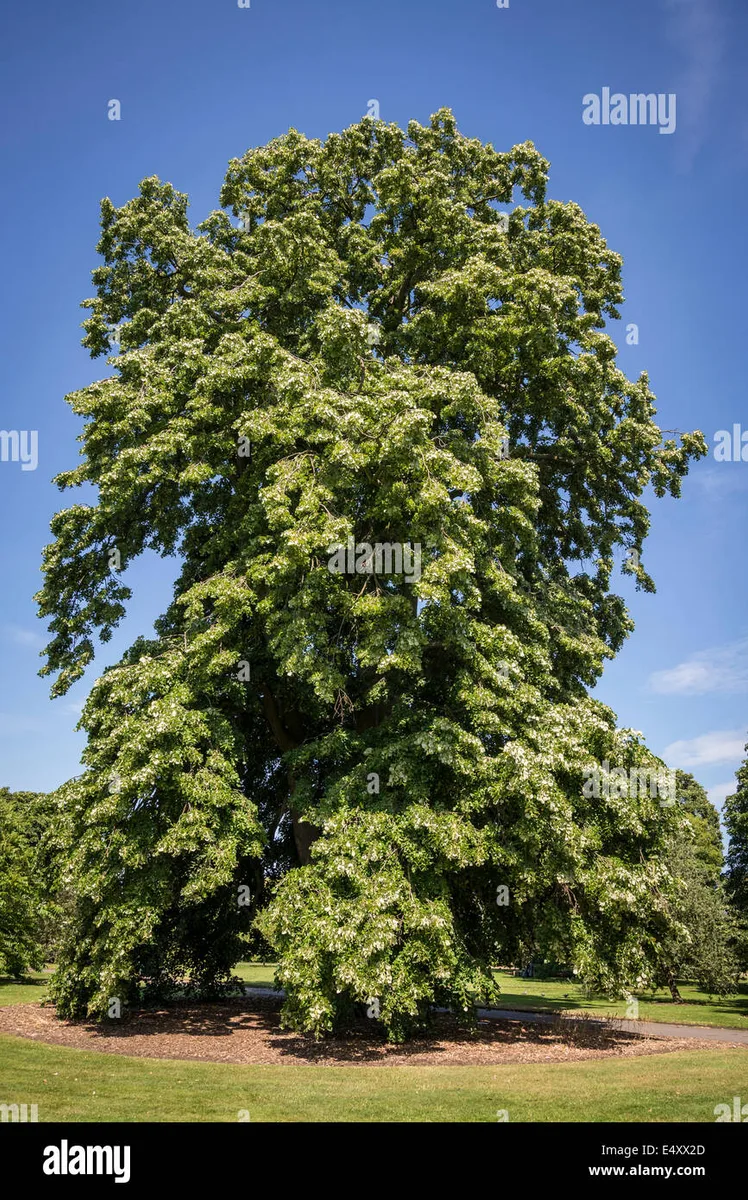
| Care difficulty | 2 / 5 |
|---|---|
| Watering schedule | Moderate regular watering, allowing brief slight drying between soakings |
| Sunlight requirements | Full sun · Partial shade |
| Ideal temperature | Information to be completed |
| Soil type | Chalk · Clay · Loam · Sand |
| Soil pH | Alkaline · Neutral |
| Soil moisture | Moist but well drained · Well drained |
| Fertilizing | Balanced perennial feed every four weeks from spring through summer |
| Toxicity | Information to be completed |
How to Water weeping silver lime?
Moderate regular watering, allowing brief slight drying between soakings
Learn more →What Are the Sunlight Requirements for weeping silver lime?
Full sun · Partial shade
Learn more →What Soil Is Best for weeping silver lime?
- Soil type
- Chalk · Clay · Loam · Sand
- Soil pH
- Alkaline · Neutral
What Are the Moisture Requirements for weeping silver lime?
Moist but well drained · Well drained
Learn more →How to Fertilize weeping silver lime?

Balanced perennial feed every four weeks from spring through summer
Learn more →How to Prune weeping silver lime?

Little pruning is needed. Remove diseased, damaged, crowded or crossing shoots and unwanted growth. Timing depends on the plant: generally late winter or early spring; plants prone to bleeding and deciduous magnolias need different timing, and deciduous azaleas and lilacs are pruned after flowering.
Learn more →How to Propagate weeping silver lime?

Chip budding is the most appropriate method although care must be taken with the choice of rootstock
Learn more →How to Plant weeping silver lime?
Easy to grow in most moist soils and will tolerate hard pruning. Is susceptible to aphid infestation and is therefore liable to sticky honeydew. Avoid exposure to cold drying winds.\r\nTilia trees are sometimes associated with large numbers of dead bumblebees. Scientific studies have demonstrated that this is not due to toxic nectar or pollen, but may be due to a complex interaction of weather and suboptimal nectar. It does not usually happen every year and tends to coincide with the natural end of bumblebee nests, so is unlikely to cause any larger scale problems
Learn more →Common Pests & Diseases

Diseases
May be susceptible to sooty mould, phytophthora root disease and honey fungus
Pests
May be susceptible to aphids, horse chestnut scale, caterpillars, sawflies and gall mites
Explore the plant health library →