



Planting and Growing brook wake robin

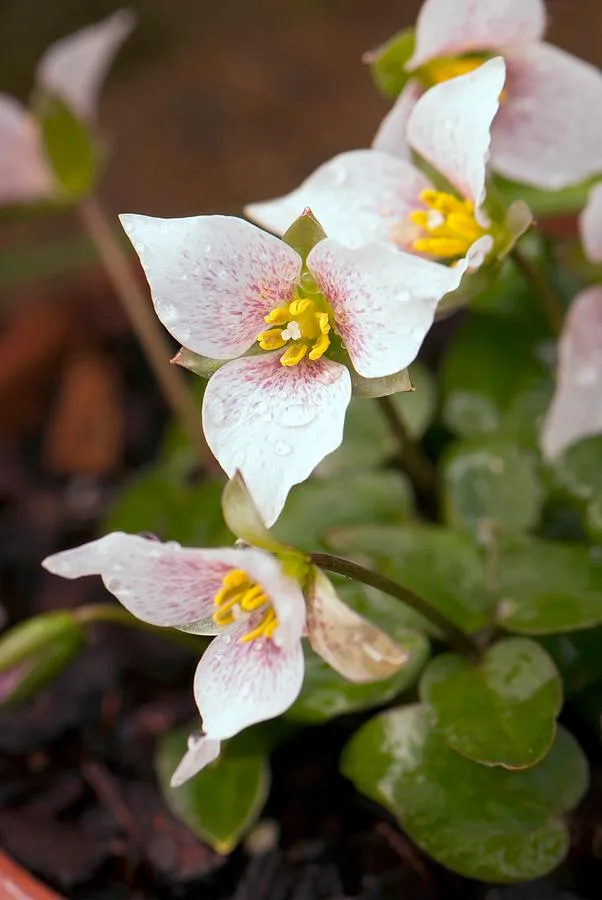
| Care difficulty | 3 / 5 |
|---|---|
| Watering schedule | Keep rich woodland soil evenly moist, never baking dry in summer |
| Sunlight requirements | Full shade · Partial shade |
| Ideal temperature | Information to be completed |
| Soil type | Chalk · Loam · Sand |
| Soil pH | Acid · Neutral |
| Soil moisture | Moist but well drained |
| Fertilizing | Light balanced feed monthly during spring and early summer growth |
| Toxicity | Information to be completed |
How to Water brook wake robin?
Keep rich woodland soil evenly moist, never baking dry in summer
Learn more →What Are the Sunlight Requirements for brook wake robin?
Full shade · Partial shade
Learn more →What Is the Ideal Temperature Range for brook wake robin?

Information to be completed
Learn more →What Soil Is Best for brook wake robin?
- Soil type
- Chalk · Loam · Sand
- Soil pH
- Acid · Neutral
What Are the Moisture Requirements for brook wake robin?
Moist but well drained
Learn more →How to Fertilize brook wake robin?

Light balanced feed monthly during spring and early summer growth
Learn more →How to Prune brook wake robin?

No pruning required
Learn more →How to Propagate brook wake robin?

Propagate by seed, in pots in a shady cold frame as soon as seed is ripe; takes 5-7 years to reach flowering size. Propagate rhizomes by division after flowering or cut out the growing point from the rhizome after flowering, which stimulates the formation
Learn more →How to Transplant brook wake robin?
Information to be completed
Learn more →How to Care for brook wake robin in Winter?

Information to be completed
Learn more →How to Plant brook wake robin?
Grow in deep, moist but well-drained, humus-rich, preferably acid to neutral soil in deep or partial shade. Mulch in autumn with leaf mould. See trillium cultivation
Learn more →How to Repot brook wake robin?
Information to be completed
Learn more →How to Harvest brook wake robin?

Information to be completed
Learn more →Common Pests & Diseases

Diseases
Generally disease-free
Pests
May be susceptible to slugs and snails
Explore the plant health library →The Toxicity of brook wake robin
Information to be completed