



Planting and Growing blueberry

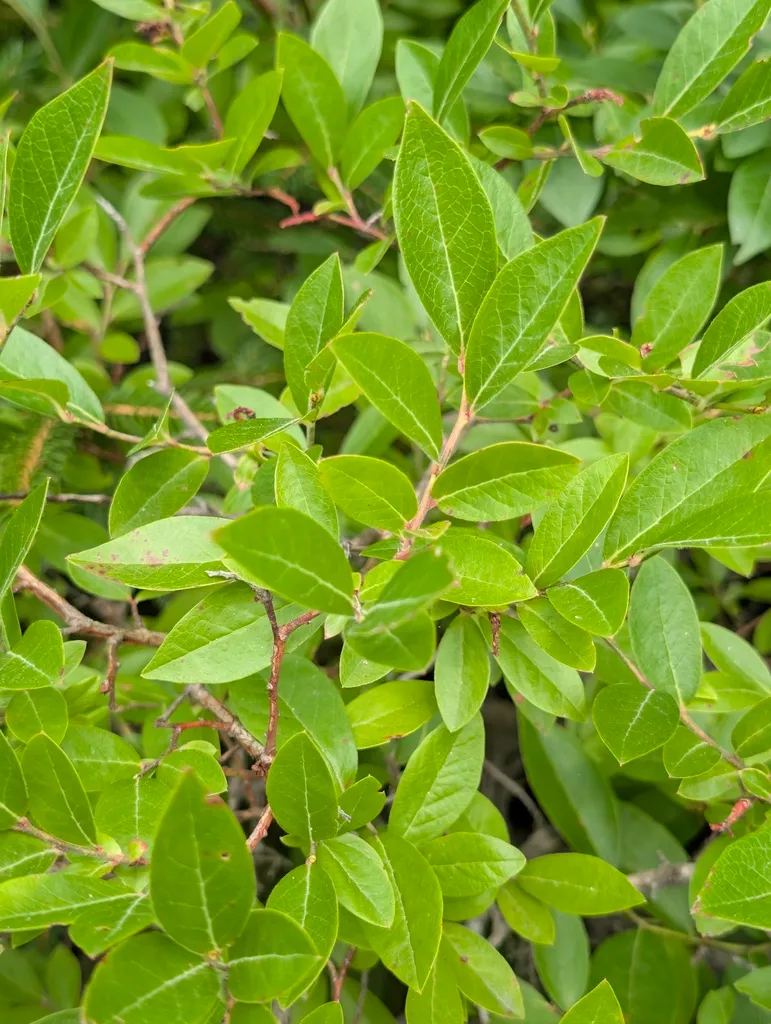
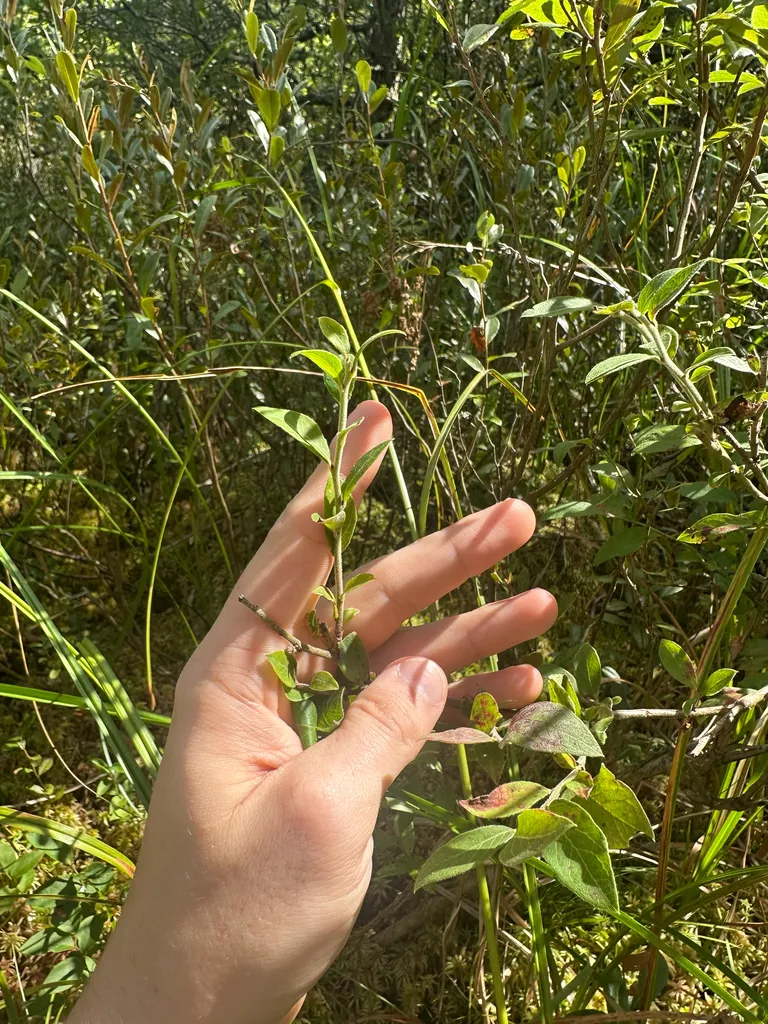
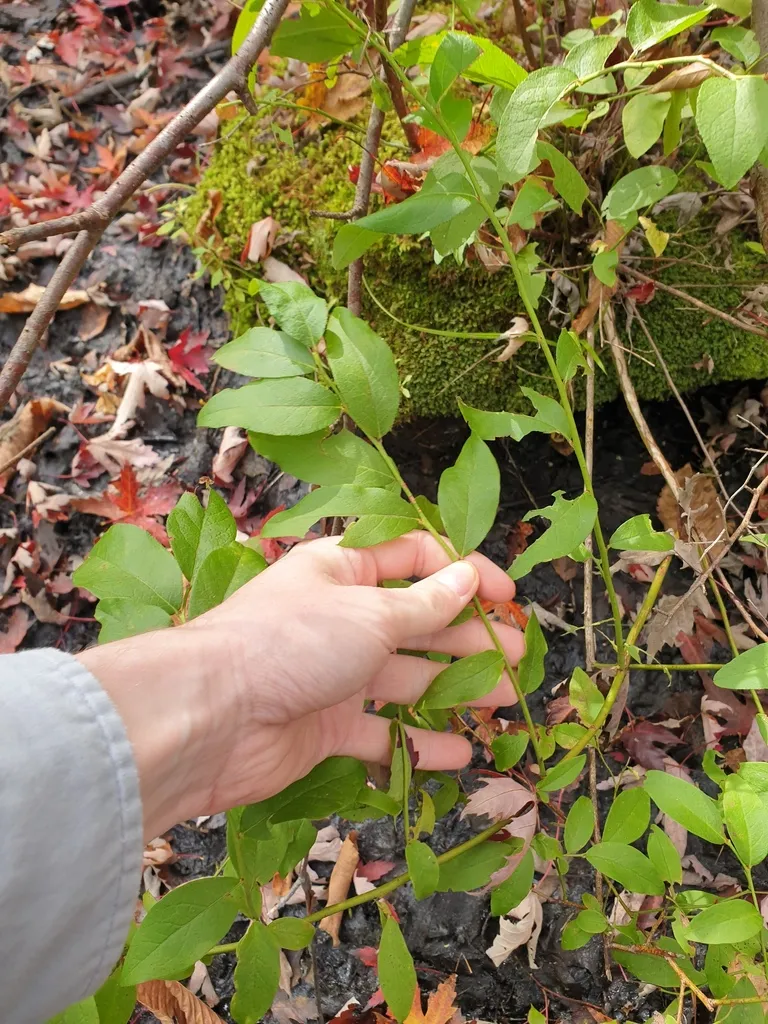
| Care difficulty | 4 / 5 |
|---|---|
| Watering schedule | Moderate regular watering, avoid prolonged drought and stagnant waterlogging |
| Sunlight requirements | Full sun · Partial shade |
| Ideal temperature | 15 – 25 °C |
| Soil type | Loam · Sand |
| Soil pH | Acid |
| Soil moisture | Moist but well drained |
| Fertilizing | Balanced perennial feed every four weeks spring through summer growth |
| Toxicity | Information to be completed |
How to Water blueberry?
Thriving in its native moist, acidic soils of Eastern North America, highbush blueberry is well-adapted to environments with consistent moisture. This species exhibits a preference for evenly moist conditions and demonstrates moderate drought tolerance once established. For optimal health, watering once every 1-2 weeks is recommended to mimic the natural hydration rhythm. Typically grown outdoors due to their size and need for pollination, highbush blueberry benefits greatly from mulching which helps retain soil moisture, especially important during its active growing season.
Learn more →What Are the Sunlight Requirements for blueberry?
Highbush blueberry thrives best under full sun conditions, requiring at least six to eight hours of direct sunlight daily to optimize growth, health, and flowering potential. While it prefers intense light, highbush blueberry exhibits good tolerance to partial sun, adapting well with slightly reduced fruit yield and vigor. In cases of less than ideal sunlight, highbush blueberry can exhibit decreased fruit production and slower growth, impacting overall plant robustness. Outdoors, highbush blueberry should be planted in areas with minimal obstruction to sunlight, avoiding heavily shaded regions to maintain its vitality and productivity.
Learn more →What Is the Ideal Temperature Range for blueberry?

Highbush blueberry, known for its robustness, can withstand temperatures from -20℃ (-4℉) to 38℃ (100℉). This cold and heat tolerance highlights the plant's adaptability to various climates. In cold conditions, it may exhibit symptoms such as leaf drop or twig die-back. Meanwhile, extreme heat can cause wilting or scorching of leaves. To protect highbush blueberry, mulching can help moderate soil temperature during cold spells, and shading or watering is vital during excessive heat. This adaptability allows highbush blueberry to flourish in diverse environments, simplifying care but necessitating strategic interventions during temperature extremes.
Learn more →What Soil Is Best for blueberry?
Highbush blueberry thrives in well-drained, aerated soil with an acidic pH of 4.5 to 5.5. Use a soil mix of garden soil, peat moss, and pine bark in equal parts. If pine bark isn't available, substitute with sand or perlite. Ensure excellent drainage by adding gravel at the bottom of the pot. Fertilize with an acidic fertilizer in early spring and mid-summer for optimal growth.
- Soil type
- Loam · Sand
- Soil pH
- Acid
What Are the Moisture Requirements for blueberry?
Moist but well drained
Learn more →How to Fertilize blueberry?

Highbush blueberry thrives with balanced fertilizers, such as 10-10-10. Apply in early spring at bud-break and repeat mid-season. Use 1 ounce per foot of shrub height, avoiding over-fertilization to prevent root burn. Benefits include robust growth, improved fruit yield, and enhanced plant health. Seasonal adjustments are key: reduce quantity in dormant periods. Ensure even distribution at the drip line for optimal uptake. Soil pH, around 4.5-5.5, influences nutrient availability; adjust as necessary. Wear gloves, keep granules off foliage, and water thoroughly post-application.
Learn more →How to Prune blueberry?

Characterized by its nutrient-rich berries, highbush blueberry should be pruned in late spring. Begin by removing dead, damaged, or weak branches to promote healthy growth. Focus on thinning out the bush's center to enhance air circulation and light penetration. Cut back older canes to ground level to encourage new, productive growth. This annual maintenance increases berry yield and improves plant health, ensuring robust development in subsequent seasons. Refer to reputable horticultural guides for precise cutting techniques.
Learn more →How to Propagate blueberry?

Highbush blueberry is effectively propagated using cuttings, offering a reliable method to ensure genetic consistency in new plants. Semi-hardwood cuttings taken from healthy, disease-free parent plants can promote successful rooting. Pre-treatment with rooting hormones may enhance the chances of success, followed by placing the cuttings in a well-draining medium to foster growth. Proper moisture and temperature management are crucial for rooting, as is protection from direct sunlight during the initial stages.
Learn more →How to Transplant blueberry?
For the best results, transplant highbush blueberry during the rejuvenating period of early spring. Choose a sunny or partially-shaded location with well-draining, acidic soil. To enhance transplant success, ensure the root ball remains intact and well-hydrated throughout the process. Happy gardening!
Learn more →How to Plant blueberry?
Indoors-potted: Ensure highbush blueberry has space to grow; pruning is key indoors to maintain a compact form and encourage fruiting. Outdoors-potted: Highbush blueberry in pots outdoors require vigilant watering as containers dry out faster, affecting berry production. Outdoors-in the ground: In the garden, highbush blueberry thrives with mulching which keeps roots cool and conserves moisture for luscious berries.
Learn more →How to Repot blueberry?
Highbush blueberry, a bushy shrub, thrives when repotted every 2-3 years, ideally during late winter before spring growth. Select a container that is 2-4 inches wider than the root ball to encourage expansive growth. Post-repotting, use acidic soil mix and ensure consistent moisture without overwatering. A partially sunlit spot and monthly fertilization will facilitate highbush blueberry's optimal recovery and berry production.
Learn more →How to Harvest blueberry?

The highbush blueberry fruiting period can last for several weeks. Fruit ripens when its surface turns bluish black. Due to inconsistent ripening of fruits, they should be harvested in batches. Harvest once every 2 or 3 days in full fruit period, and once every 3 or 4 days in both the initial and final fruit period, completing your harvest before the frost. Gloves (finger sleeves) should be worn when picking fruits to avoid damaging them, which would affect their appearance and storage potential. When picking ripe fruits, gently hold the berries and tweak them clockwise to keep the peel intact. This will also help to prolong their storage period.
Learn more →Common Pests & Diseases

Diseases
May be susceptible to honey fungus (rarely), powdery mildews, root rot and chlorosis due to iron and manganese deficiency; see nutrient deficiencies
Pests
May be susceptible to vine weevil, especially if container grown
Explore the plant health library →Troubleshooting
Leaf Scorch, Yellowing Chlorosis, or Root/Crown Decline
blueberry (Vaccinium corymbosum) depends on deep, well-drained soil and appropriate sun/moisture balance; waterlogged roots, drought stress, or unsuitable soil pH quickly show in foliage color.
| What you notice | Possible explanation | What to check next |
|---|---|---|
| Leaf margins turn brown and crispy in summer heat, or young foliage wilts despite adequate sunlight | Drought stress, drying winds, or afternoon sun scorch (especially on thin-leaved trees like Acer palmatum or newly planted specimens) | Check soil moisture 10–15 cm (4–6 inches) deep and assess afternoon sun and wind exposure |
| Leaves turn pale yellow between dark green veins (interveinal chlorosis) or whole canopy yellows and thins | Alkaline soil pH locking up iron/manganese (critical for ericaceous Vaccinium corymbosum and lime-hating oaks/maples) or poor drainage causing root rot | Test soil pH and inspect root-zone drainage after heavy rain or irrigation |
- Plant in well-drained soil suited to its pH needs (Acid pH) in full sun or partial shade, mulching the root zone with organic bark or leaf mold kept clear of the trunk.
- Water deeply during dry spells, especially in the first two years after planting: Moderate regular watering, avoid prolonged drought and stagnant waterlogging.
- Protect frost-tender or container-grown woody species before winter freezes.
If sudden branch dieback with dark vascular streaking or mushroom growth at the base occurs (suspected Verticillium wilt or honey fungus), prune out dead wood cleanly and consult local extension diagnostics.
Poor Flowering/Fruiting or Sap-Sucking Pests and Mildew
Insufficient sunlight, improper pruning timing, or dense unpruned canopies can reduce blooms and fruit while encouraging aphids, scale, caterpillars, or powdery mildew.
| What you notice | Possible explanation | What to check next |
|---|---|---|
| Vigorous leafy shoots with few flowers or poor fruit set | Excessive shade, high-nitrogen fertilizer, pruning off old-wood flower buds at the wrong season, or lack of cross-pollination (for fruit crops like blueberries/cherries) | Review daily sun hours, fertilizer ratio, and pruning timing |
| Curled sticky new shoots, white powdery leaf coating, or chewed foliage | Common pests (May be susceptible to vine weevil, especially if container grown) or fungal issues (May be susceptible to honey fungus (rarely), powdery mildews, root rot and chlorosis due to iron and manganese deficiency; see nutrient deficiencies) | Inspect shoot tips, leaf undersides, and inner canopy airflow |
- Prune at the appropriate seasonal window: More mature plants benefit from regular pruning, see pruning blueberries.
- Thin crowded interior shoots to improve sunlight penetration and air circulation, and clean up fallen leaves in autumn.
- Blast aphids off sturdy shoots with a firm water spray or use insecticidal soap per label instructions.
Avoid late-summer nitrogen feeding, which forces soft late growth vulnerable to early autumn frost.