



Planting and Growing sweet violet

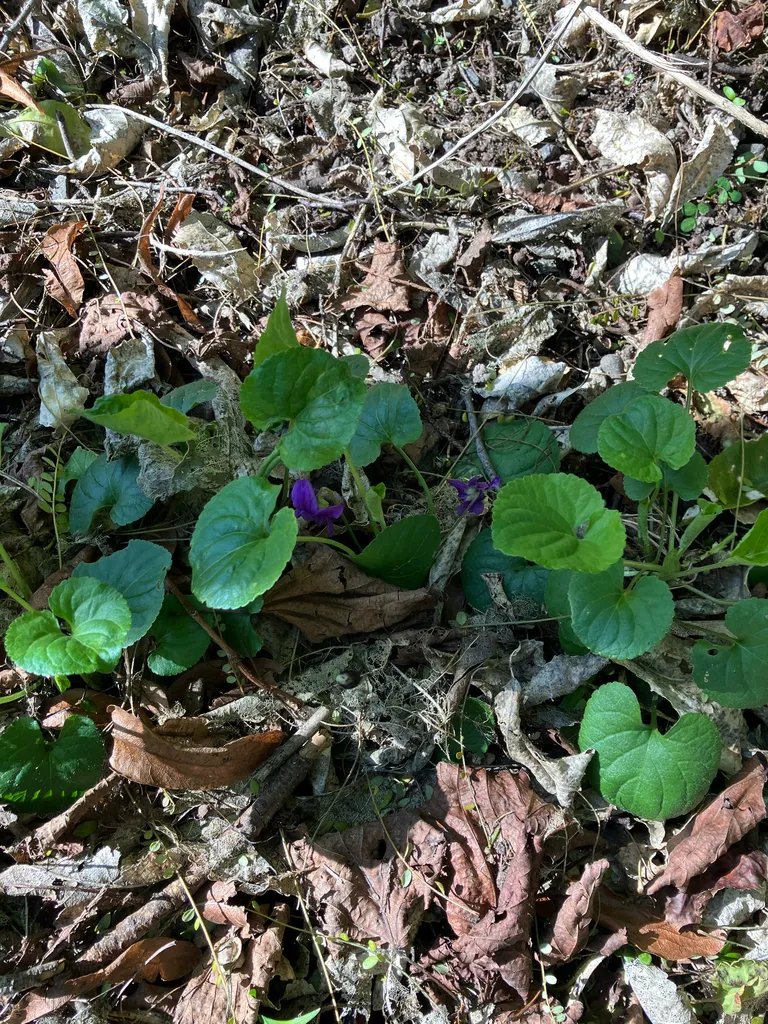
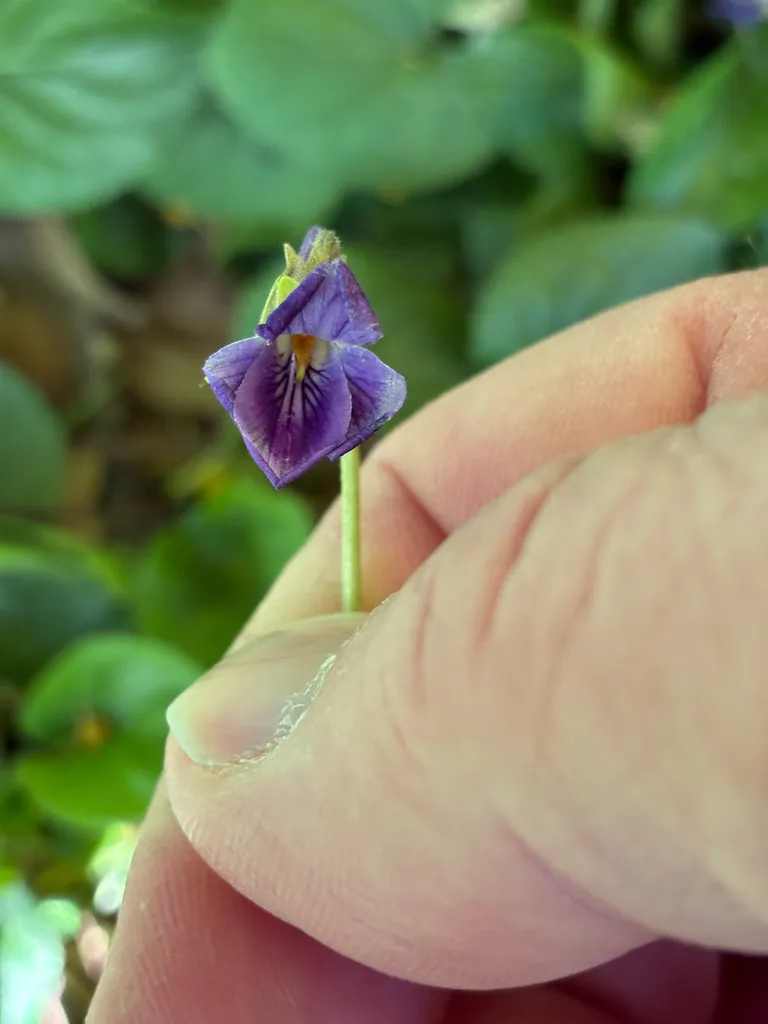
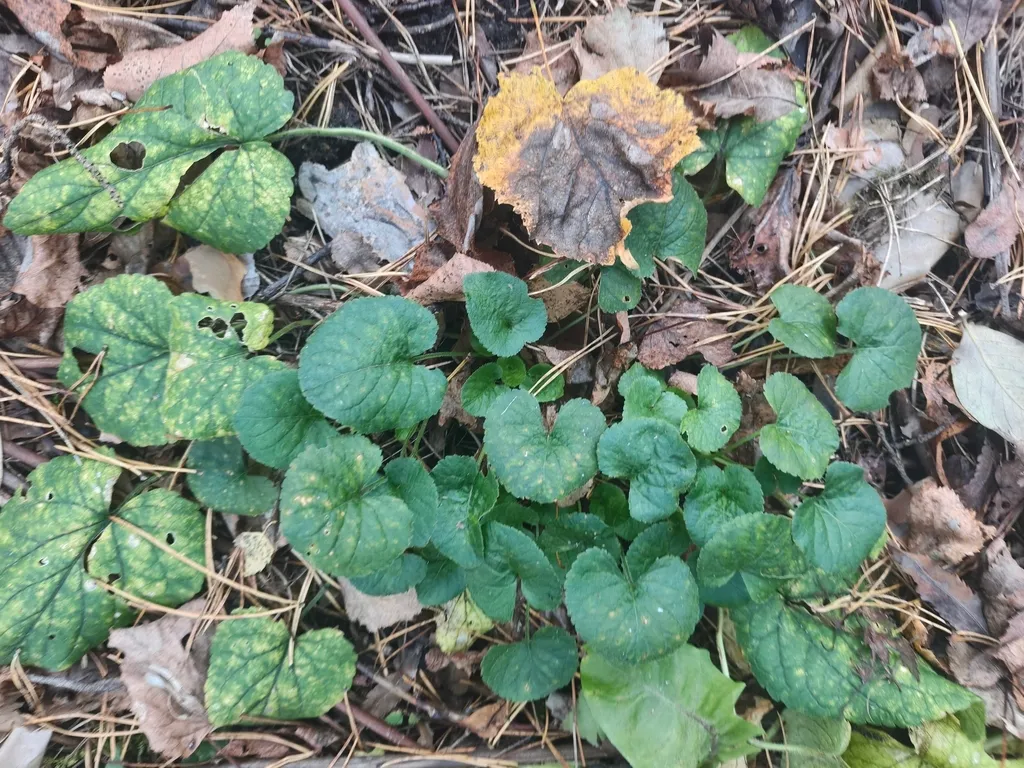
| Care difficulty | 2 / 5 |
|---|---|
| Watering schedule | Keep soil evenly moist, especially in cool active growth |
| Sunlight requirements | Full sun · Partial shade |
| Ideal temperature | Information to be completed |
| Soil type | Chalk · Clay · Loam · Sand |
| Soil pH | Acid · Alkaline · Neutral |
| Soil moisture | Moist but well drained · Well drained |
| Fertilizing | Light balanced feed during flowering season |
| Toxicity | Information to be completed |
How to Water sweet violet?
Keep soil evenly moist, especially in cool active growth
Learn more →What Are the Sunlight Requirements for sweet violet?
Full sun · Partial shade
Learn more →What Is the Ideal Temperature Range for sweet violet?

Information to be completed
Learn more →What Soil Is Best for sweet violet?
- Soil type
- Chalk · Clay · Loam · Sand
- Soil pH
- Acid · Alkaline · Neutral
What Are the Moisture Requirements for sweet violet?
Moist but well drained · Well drained
Learn more →How to Fertilize sweet violet?

Light balanced feed during flowering season
Learn more →How to Prune sweet violet?

Deadhead to prolong flowering
Learn more →How to Propagate sweet violet?

Propagate by seed or division
Learn more →How to Transplant sweet violet?
Information to be completed
Learn more →How to Care for sweet violet in Winter?

Information to be completed
Learn more →How to Plant sweet violet?
Excellent for wild or woodland garden. Grow in moist but well-drained soil
Learn more →How to Repot sweet violet?
Information to be completed
Learn more →How to Harvest sweet violet?

Information to be completed
Learn more →Common Pests & Diseases

Diseases
May be affected by pansy leaf spot and powdery mildews
Pests
May be attacked by slugs, snails, glasshouse red spider mite and violet gall midge
Explore the plant health library →The Toxicity of sweet violet
Information to be completed