



Planting and Growing Chinese wisteria

| Care difficulty | 4 / 5 |
|---|---|
| Watering schedule | Water deeply when soil is dry to the touch |
| Sunlight requirements | Full sun · Partial shade |
| Ideal temperature | 15 – 25 °C |
| Soil type | Chalk · Clay · Loam · Sand |
| Soil pH | Acid · Alkaline · Neutral |
| Soil moisture | Moist but well drained |
| Fertilizing | Fertilize in early spring before new growth |
| Toxicity | Harmful if eaten. Wear gloves and other protective equipment when handling |
How to Water Chinese wisteria?
Thriving in its native humid subtropical climate, chinese wisteria has adapted to require consistent moisture levels, exhibiting a preference for well-drained soil that retains some water. It is moderately drought-tolerant but flourishes when maintaining a balance of moisture without overwatering. Watering should occur once every week to sustain its lush growth and support its flowering potential. As an outdoor plant often adorning arbors and pergolas, chinese wisteria benefits from the additional humidity provided by morning dew or light rain, which complements its watering schedule and enhances leaf turgidity and flower vitality.
Learn more →What Are the Sunlight Requirements for Chinese wisteria?
Chinese wisteria thrives best in full sun, requiring at least six hours of direct sunlight daily to optimize growth, health, and flowering capabilities. While chinese wisteria tolerates partial sun, lesser light exposure can lead to reduced flowering and less vigorous growth. Optimal light enhances photosynthesis, promoting stronger and more extensive vine development. In outdoor settings, chinese wisteria should be planted where it receives unobstructed sunlight for the majority of the day. This positioning supports its characteristic prolific blooming and robust health.
Learn more →What Is the Ideal Temperature Range for Chinese wisteria?

Chinese wisteria shows remarkable resilience to temperature fluctuations. It can endure cold conditions as low as -20°C (-4°F) and heat up to 41°C (106°F). This broad temperature tolerance implies that chinese wisteria can thrive in various climates, although it may need protective measures during extreme weather. Symptoms of stress include leaf yellowing and wilting under excessive heat or frost damage under severe cold. In case of overheating, provide shade and increase watering, while insulation and mulching can protect against overcooling. Such resilience simplifies its care but vigilance during temperature extremes is crucial.
Learn more →What Soil Is Best for Chinese wisteria?
For chinese wisteria, ensure the soil is well-aerated and drains efficiently to avoid water-logging. Use a mix of garden soil, compost, and perlite in equal parts. If perlite is unavailable, replace it with coarse sand. Enhance growth with a balanced fertilizer during the growing season, applied according to package instructions. Periodically check and maintain good drainage to support chinese wisteria's health and robust growth.
- Soil type
- Chalk · Clay · Loam · Sand
- Soil pH
- Acid · Alkaline · Neutral
What Are the Moisture Requirements for Chinese wisteria?
Moist but well drained
Learn more →How to Fertilize Chinese wisteria?

For chinese wisteria, fertilize with balanced, all-purpose fertilizers (e.g., 10-10-10) to support robust growth and prolific blooms. Apply once in the spring as buds appear, and optionally, again in early summer. Use approximately 1/2 cup of granular fertilizer for young plants, and up to 2 cups for mature vines, sprinkling around the base. Over-fertilizing can spur excessive foliage at the expense of flowers. During dormant winter months, withhold fertilization to prevent harm. Always water well post-application to aid nutrient absorption.
Learn more →How to Prune Chinese wisteria?

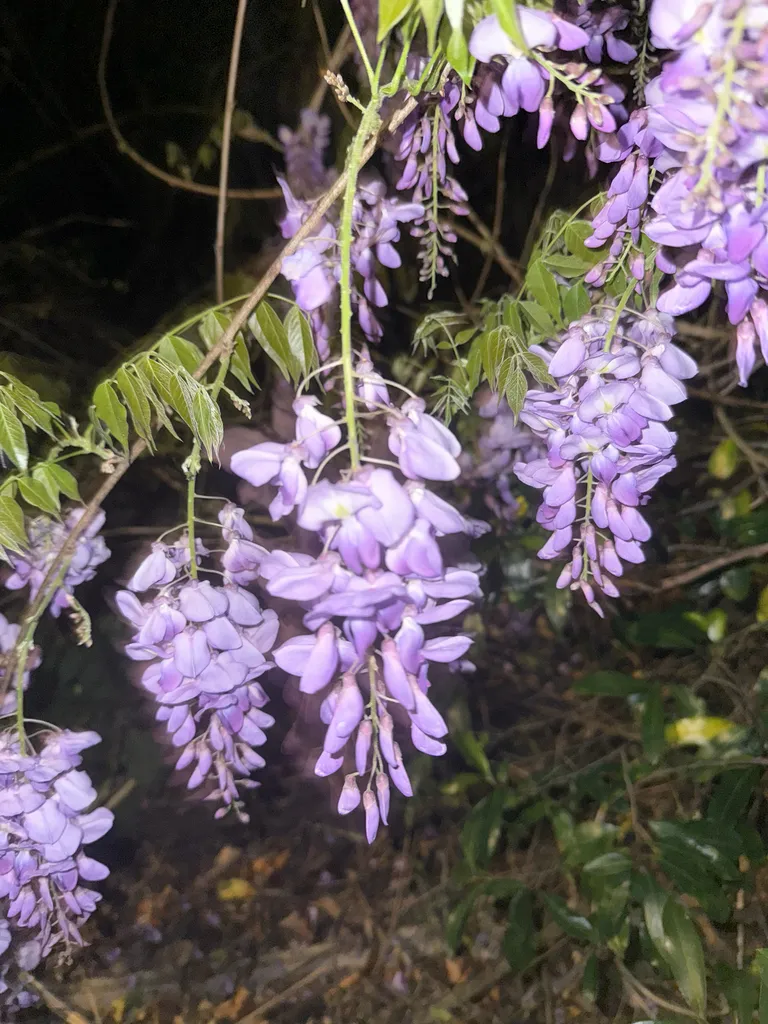
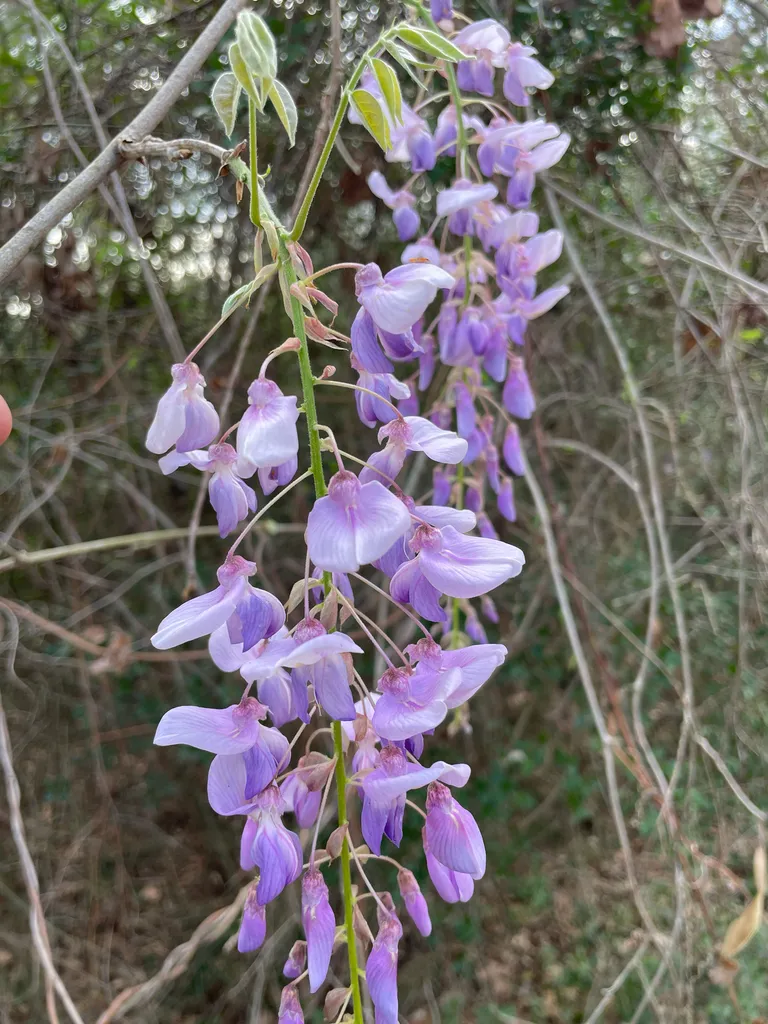
Chinese wisteria is a vigorous, deciduous climber known for its beautiful, fragrant purple racemes. Key pruning techniques involve cutting back the long, whippy shoots immediately after flowering and again in late winter. This helps maintain shape and encourages blooms. Optimal timing is early spring and post-flowering in summer. Pruning also prevents the plant from becoming invasive. Regular maintenance yields a more manageable and aesthetically pleasing growth, optimizing floral displays. Ensure proper support structures due to chinese wisteria's heavy twining habit.
Learn more →How to Propagate Chinese wisteria?

A vigorous climber, chinese wisteria can be propagated effectively through cutting. For successful growth, notch the lower part of a semi-hardwood stem and treat with rooting hormone before planting. Ensure the cuttings are kept under ideal moisture and light conditions to encourage rooting. Utilize a well-draining soil mix to prevent rot and provide a strong support structure for the new shoots to climb as they develop. Regular pruning will maintain the desired shape and invigorate further flowering.
Learn more →How to Transplant Chinese wisteria?
Transplant chinese wisteria in the earliest days of spring, as this provides the best opportunity for establishment. Ensure a sunny to partially shaded location, with fertile and well-drained soil. When transplanting, remember to gently loosen its root ball and water it thoroughly.
Learn more →How to Plant Chinese wisteria?
Indoors-potted: In an indoor setting, chinese wisteria thrives with stable support for its climbing habit; rotate the pot regularly to ensure even growth. Outdoors-potted: When potted outdoors, chinese wisteria requires a sturdy trellis or structure to accommodate its vigorous twining stems. Outdoors-in the ground: Chinese wisteria planted in the ground demands space to flourish and can be pruned after flowering to control its expansive nature.
Learn more →How to Repot Chinese wisteria?
As a vigorous climber, chinese wisteria requires repotting every 2-3 years, ideally in early spring before the growing season. A larger, sturdy container supports its robust growth. After repotting, place chinese wisteria in a sunny spot and maintain consistent watering. Ensure good drainage and use a high-quality potting mix for optimal health.
Learn more →Common Pests & Diseases

Diseases
May be susceptible to honey fungus (rarely), phytophthora root rot, fungal leaf spot, virus diseases, and powdery mildews
Pests
May be susceptible to aphids, glasshouse red spider mite, scale insects and wisteria scale
Explore the plant health library →Troubleshooting
Failure to Bloom or Lush Leaves Without Flowers
Chinese wisteria (Wisteria sinensis) responds strongly to site drainage, light intensity, and soil conditions; evaluate cultural factors before assuming a single pathogen.
| What you notice | Possible explanation | What to check next |
|---|---|---|
| Vigorous leafy vines grow rapidly with few or no drooping flower racemes | Excess nitrogen fertilizer, insufficient full sun, lack of two-stage pruning, or juvenile seed-grown vine age | Assess daily direct sun hours, review fertilizer type, and check whether the vine was grafted or seed-grown |
| Entire branch or plant wilts and turns dull brown with dark decayed roots | Root rot from poorly drained, waterlogged soil | Check site or container drainage and inspect root firmness |
- Ensure planting sites or containers have sharp drainage; amend heavy clay with organic matter or use raised beds.
- Provide full sun (at least 6 hours daily), avoid nitrogen fertilizers (wisteria fixes its own nitrogen), and apply two-stage summer and late-winter pruning to build flowering spurs.
- Water deeply at the base during dry spells rather than wetting foliage overhead.
- Prune out dead, diseased, or crossing shoots with sterilized secateurs.
Provide heavy-duty masonry or timber pergola support, as mature Wisteria sinensis stems become extremely heavy and can crush weak trellises.
Sap-Sucking Pests or Foliar Mildew
Outdoor and conservatory shrubs and climbers are prone to sap-sucking insects, especially in warm sheltered spots or under glass.
| What you notice | Possible explanation | What to check next |
|---|---|---|
| Brown hemispherical scale bumps along woody stems, leaf stippling, or white powdery mildew | Wisteria scale, aphids, red spider mites, or powdery mildew | Inspect woody stems and leaf undersides closely |
| Distorted new shoot tips with sticky honeydew | Aphids or scale insects feeding on tender growth | Examine growing tips and woody stems closely |
- Rinse leaf undersides with a firm stream of water outdoors or wipe indoor/conservatory foliage with a damp cloth.
- Thin overcrowded interior growth where appropriate to improve airflow and light penetration.
- Apply insecticidal soap or horticultural oil strictly according to product label instructions if infestations persist, avoiding application during hot midday sun.
Do not spray broad-spectrum insecticides onto open blooms when bees and pollinators are foraging.
The Toxicity of Chinese wisteria
Harmful if eaten. Wear gloves and other protective equipment when handling