



Planting and Growing soapweed

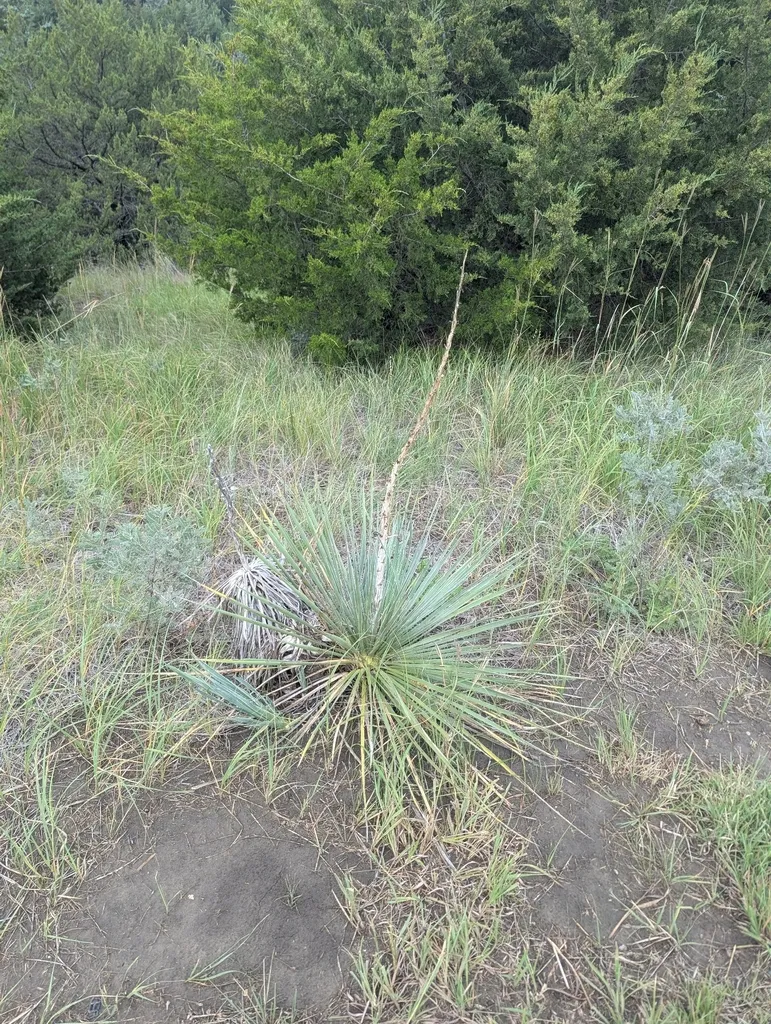
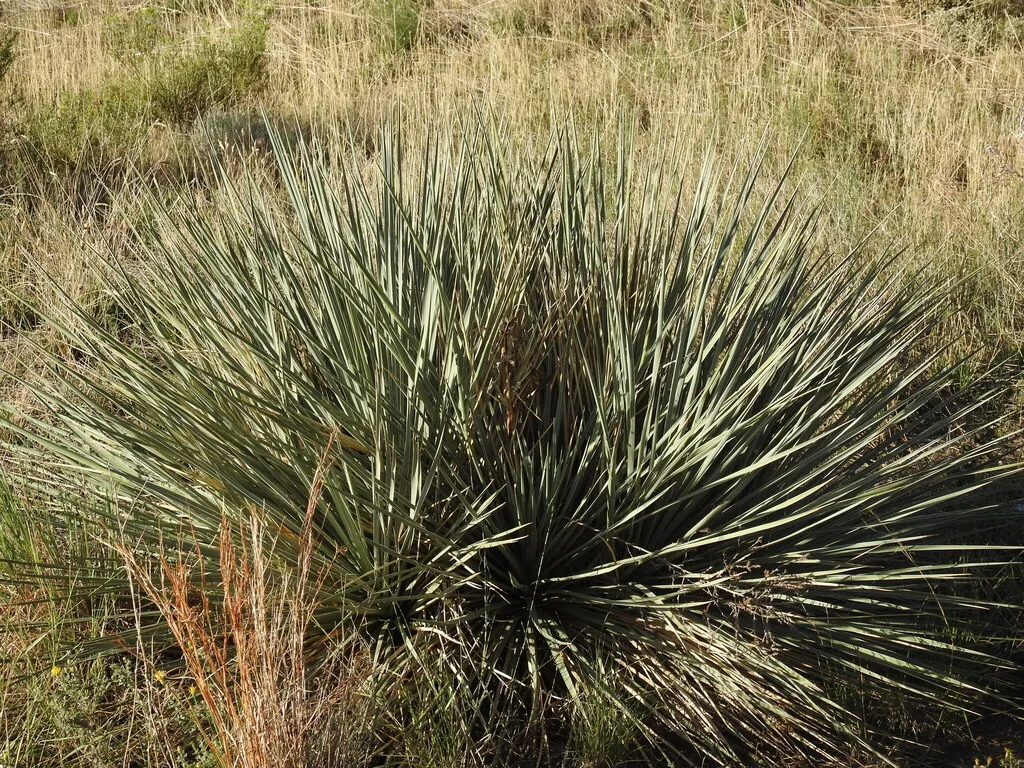
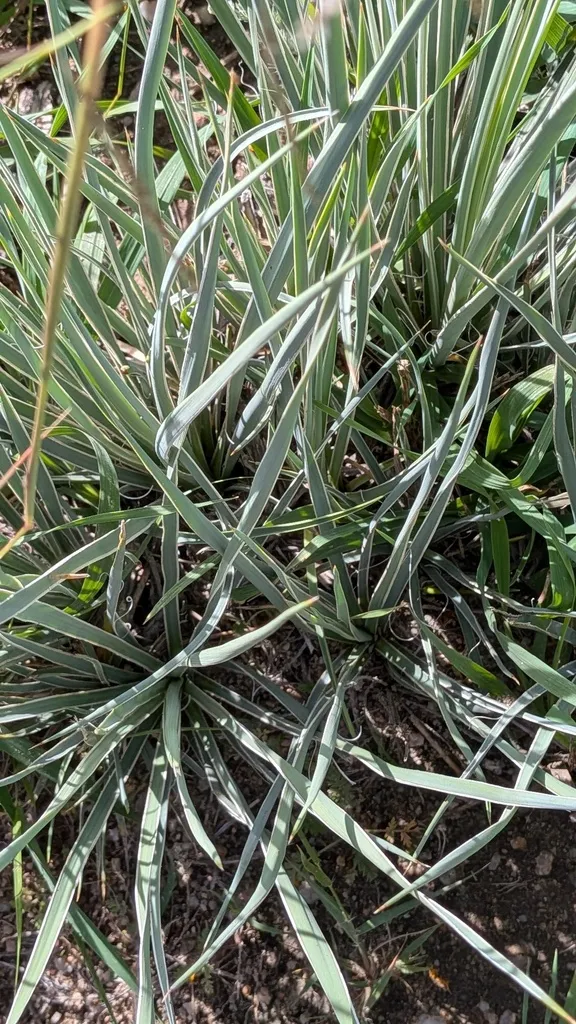
| Care difficulty | 1 / 5 |
|---|---|
| Watering schedule | Moderate regular watering, allowing brief slight drying between soakings |
| Sunlight requirements | Full sun |
| Ideal temperature | 15 – 25 °C |
| Soil type | Chalk · Loam · Sand |
| Soil pH | Acid · Alkaline · Neutral |
| Soil moisture | Moist but well drained · Well drained |
| Fertilizing | Balanced perennial feed every four weeks from spring through summer |
| Toxicity | Skin allergen. Wear gloves and other protective equipment when handling |
How to Water soapweed?
Originating from arid regions, small Soapweed has adapted to thrive with minimal moisture, exhibiting a high drought tolerance. Its native habitat's low rainfall patterns have shaped its ability to store water efficiently. For optimal care, watering should be done once every 2-3 weeks, allowing the soil to dry out between sessions. This conservative watering schedule mimics the plant's natural environment and promotes healthy growth. Typically grown outdoors due to its resilience and preference for full sun exposure, small Soapweed is an evergreen species that conserves water through its waxy leaves even in varying temperature conditions.
Learn more →What Are the Sunlight Requirements for soapweed?
Small Soapweed thrives optimally under full sun exposure, where it receives unfiltered and direct sunlight for at least 6 hours daily. This ideal light condition enhances its growth, health, and notably improves its flowering ability. While small Soapweed possesses high tolerance to light variances, including partial sun, insufficient light may lead to reduced robustness and diminished flowering. Adaptively, small Soapweed can adjust its leaf orientation to maximize light absorption, effectively coping with varying light intensities. Typically grown outdoors, small Soapweed is best planted in open areas or locations that receive ample sunlight throughout the day.
Learn more →What Is the Ideal Temperature Range for soapweed?

Small Soapweed is highly resilient to temperature fluctuations, enduring cold as low as -30℃ (-22℉) and heat up to 41℃ (106℉). This robust tolerance makes it adaptable across diverse environments. In cold extremes, small Soapweed should be monitored for leaf discoloration or dieback, while excessive heat can cause leaf curling or browning. To protect small Soapweed during frost, mulching can insulate roots, and shading or increased watering can help in blistering heat. These measures ensure small Soapweed thrives despite temperature extremes, reducing the need for constant maintenance and making it suitable for gardens in varying climates.
Learn more →What Soil Is Best for soapweed?
Small Soapweed thrives in semi-arid regions, favoring sandy and loamy soils with excellent drainage. Preferred pH ranges from 6.0 to 8.0, facilitating optimal nutrient uptake. Native soils are typically sandy, sometimes mixed with loam, providing both retention and drainage. For cultivation, use a mix of 70% sand, 20% loam, and 10% organic compost. Ensure good drainage by adding gravel or perlite. Avoid water-logging. Supplement with a balanced slow-release fertilizer in early spring.
- Soil type
- Chalk · Loam · Sand
- Soil pH
- Acid · Alkaline · Neutral
What Are the Moisture Requirements for soapweed?
Moist but well drained · Well drained
Learn more →How to Fertilize soapweed?

For small Soapweed, use high-phosphorus and potassium fertilizers to encourage robust root systems and flower production. Apply semi-annually, in spring and fall, using a light hand; too much can harm this hardy plant. Young small Soapweed benefits more from feeding as they establish. Seasonal variations affect nutrient uptake, with less needed in winter. Spread granules at the base, water thoroughly post-application, and always follow package directions to avoid over-fertilization. Providing the right nutrients in proper amounts ensures small Soapweed's vitality and resilience.
Learn more →How to Prune soapweed?

Distinctive for its sharp leaves and tall flower spikes, small Soapweed benefits from early summer pruning. Remove dead or damaged leaves at the base to maintain appearance and health. Trim flower stalks after blooming to encourage new growth and prevent seed formation. Prune only if necessary to control size and shape, as excessive pruning can stress the plant. Regular pruning enhances air circulation and sunlight exposure, promoting vigorous, healthy growth.
Learn more →How to Propagate soapweed?

Small Soapweed is a perennial plant known for its hardiness and adaptability. It propagates primarily through seed sowing in well-drained soil. To encourage successful germination, seeds require prior scarification or soaking, which helps to break the seed coat and stimulate growth. When propagating small Soapweed, using a starting mix and maintaining consistent moisture without oversaturating is crucial. Gentle handling of the new seedlings will ensure a better transition when transplanting outdoors.
Learn more →How to Transplant soapweed?
For small Soapweed, the cusp of spring breathes optimal vitality, perfect for transplanting. Choose a sunny spot with well-draining soil. Gentle guidance in situ encourages robust growth. Remember, small Soapweed thrives with space to flourish.
Learn more →How to Care for soapweed in Winter?

Information to be completed
Learn more →How to Plant soapweed?
Indoors-potted: To thrive indoors, small Soapweed will need a well-draining pot and room to grow—its tenacious roots seek space and nutrients. Outdoors-potted: Small Soapweed, while adaptable, can outgrow a container quickly; ensure frequent repotting for optimal health when kept outdoors. Outdoors-in the ground: Planted in the ground, small Soapweed is drought-tolerant but requires ample space as its extensive root system helps it withstand dry conditions.
Learn more →How to Repot soapweed?
Information to be completed
Learn more →How to Harvest soapweed?

The small Soapweed usually blooms at night, between summer and fall, and has a long blooming time. The flowers of most plants are large, spectacular and fragrant, making them popular for flower arranging. Its leaves contain tough fibers that can be used to make ropes.
Learn more →Common Pests & Diseases

Diseases
Generally disease-free
Pests
Generally pest-free
Explore the plant health library →The Toxicity of soapweed
Skin allergen. Wear gloves and other protective equipment when handling