



Planting and Growing fern arum

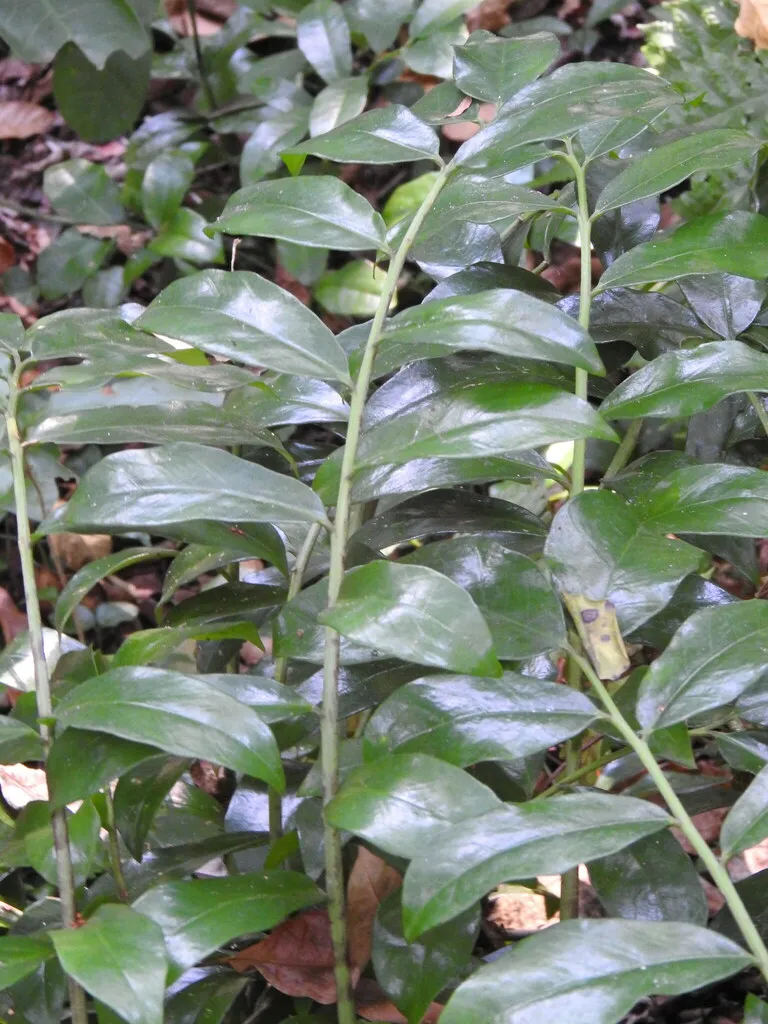
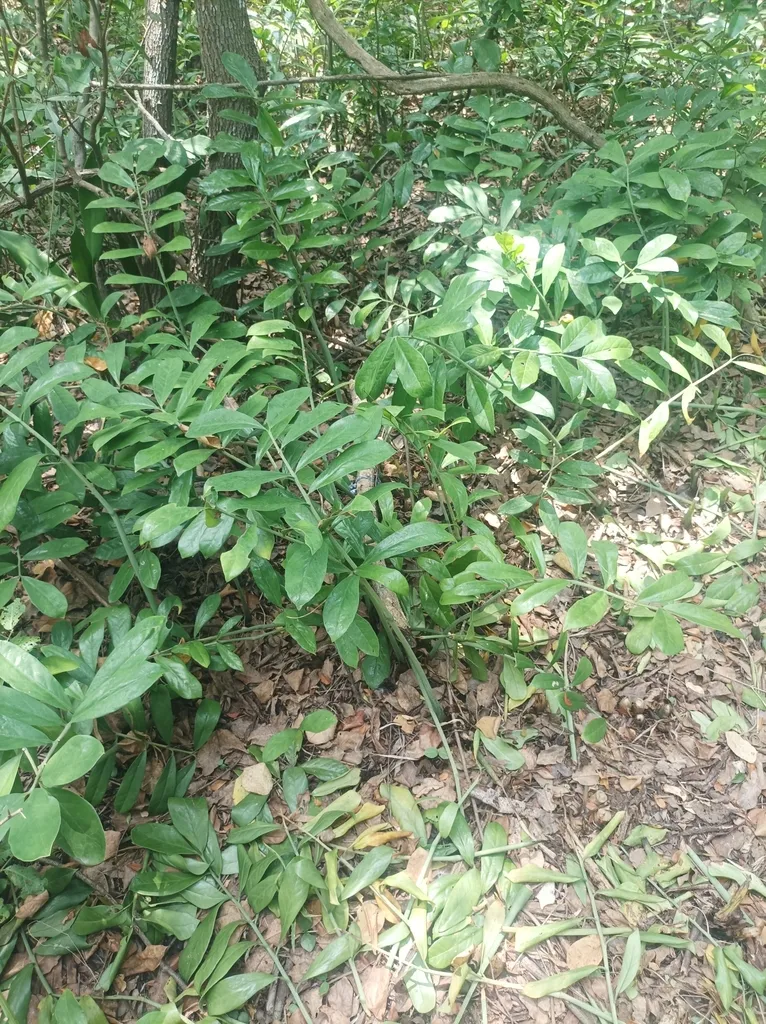
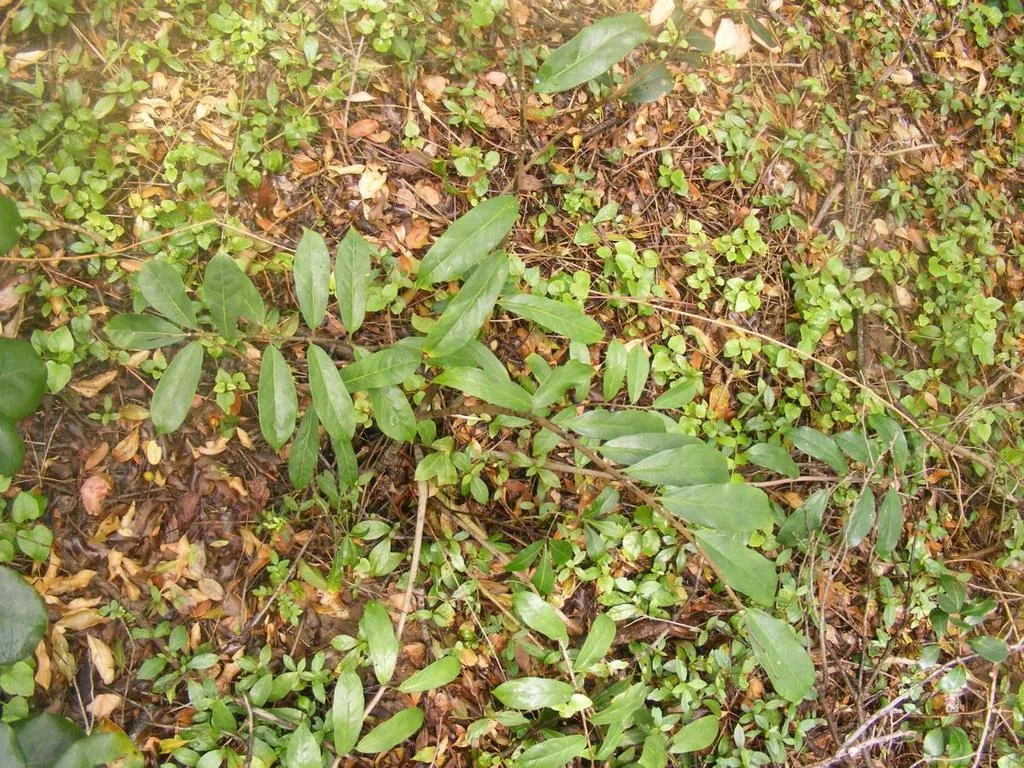
| Care difficulty | 1 / 5 |
|---|---|
| Watering schedule | Allow soil to dry completely between waterings |
| Sunlight requirements | Full shade · Partial shade |
| Ideal temperature | 18 – 27 °C |
| Soil type | Loam · Sand |
| Soil pH | Acid · Alkaline · Neutral |
| Soil moisture | Well drained |
| Fertilizing | Every 2-3 months during growing season |
| Toxicity | Harmful if eaten, skin/eye irritant] |
How to Water fern arum?
Zanzibar gem thrives in low-water conditions, mirroring its native arid environments. It is highly drought-tolerant and prefers dry soil between watering, making it an ideal plant for those seeking a low-maintenance green companion. For optimal care, zanzibar gem should be watered once every three weeks, allowing the soil to fully dry out before the next watering session. Typically grown indoors due to its adaptability to various light conditions and preference for stable temperatures, zanzibar gem benefits from occasional misting to replicate the humidity of its natural habitat.
Learn more →What Are the Sunlight Requirements for fern arum?
Zanzibar gem thrives in partial sun conditions, where indirect lighting fosters robust growth without the risk of leaf burn. The optimal light intensity should be moderate, avoiding prolonged exposure to harsh direct sunlight. Under lower light levels, zanzibar gem exhibits a high tolerance, enduring full shade environments. This resilience, however, might slow its growth rate and could lead to less vibrant foliage. Indoors, zanzibar gem prospers near windows that offer bright, filtered light. Outdoors, it is best positioned in spots with dappled sunlight. The plant's glossy leaves can adapt to less ideal conditions by altering their orientation and spread to maximize light absorption.
Learn more →What Is the Ideal Temperature Range for fern arum?

Zanzibar gem showcases notable resilience to temperature fluctuations. It can tolerate cold down to 5℃ (41℉) and heat up to 43℃ (109℉), making it adaptable to various environments. Despite this range, zanzibar gem should be protected from extreme cold and heat to prevent stress. Under too cold conditions, symptoms like leaf browning or yellowing may occur, while excessive heat can cause leaf scorching and wilting. Countermeasures include moving the plant to a sheltered location during cold snaps or ensuring adequate air circulation and hydration during hot periods. Understanding these tolerances helps ensure zanzibar gem's thriving growth.
Learn more →What Soil Is Best for fern arum?
The optimum soil for your zanzibar gem is a well-draining potting mix. This plant can survive in a variety of soil acidities but seems to do best in soils with a pH value of 6-7, so somewhat acidic. Because it needs soil which will not become water-logged, heavy clay soils are not suitable. Instead, a soil with a high amount of perlite or sand would be preferable. Zanzibar gem will struggle if the soil can not drain water effectively, so it is advisable to use a pot with good-sized drainage holes in the bottom to prevent this.
- Soil type
- Loam · Sand
- Soil pH
- Acid · Alkaline · Neutral
What Are the Moisture Requirements for fern arum?
Well drained
Learn more →How to Fertilize fern arum?

Fertilizing zanzibar gem enhances growth, with a high nitrogen formula applied every quarter at half-strength improving vigor. As zanzibar gem usually rests in winter, cease fertilization during this period. Over-fertilizing risks damage, so carefully follow label instructions. Regular, appropriate feedings will maintain healthy zanzibar gem plants.
Learn more →How to Prune fern arum?

Zanzibar gem, recognized by its glossy, dark green leaves and resilience, thrives with minimal pruning. Conduct pruning in early spring to remove yellowing or damaged leaves, improve air circulation, and maintain plant shape. Focus on cutting back stems close to the base to encourage new growth. Regular pruning promotes healthier, more robust foliage and prevents overcrowding. Always use clean, sharp tools to avoid disease transmission. This practice contributes to zanzibar gem's prolonged vitality and aesthetic appeal.
Learn more →How to Propagate fern arum?

Zanzibar gem is a resilient and popular houseplant known for its glossy, dark green leaves and ability to thrive in low light conditions. While beautiful, zanzibar gem is simplistic in its propagation method, successfully reproduced through cutting. To encourage growth, a leaf-cutting should be placed in water or directly into the soil. The key to ensuring a successful propagation is patience, as zanzibar gem may take several months to develop roots. It is essential to maintain a stable environment, with indirect light and consistent moisture, to stimulate root development.
Learn more →How to Transplant fern arum?
For optimal results, transplant zanzibar gem during mid to late spring or mid to late fall. This ensures adequate root development in mild conditions. Position it in a well-draining location with bright indirect light. Careful handling of the roots when transplanting is crucial for a stress-free transition.
Learn more →How to Care for fern arum in Winter?

Zanzibar gem thrives best in low-light, indoor environments, reminiscent of the plant's warm native climates of East Africa. As a drought-tolerant plant, zanzibar gem has evolved to endure long periods of dryness, impeccably adapting to winter. Over-winter care for zanzibar gem entails limited watering and maintaining a consistent room temperature, avoid exposing it to freezing conditions. It's a hardy, forgiving specimen that's winter-ready, catering to indoor plant enthusiasts.
Learn more →How to Plant fern arum?
Indoors-potted: Thriving indoors, zanzibar gem appreciates a stable environment away from drafts which can disrupt its growth rhythm. Outdoors-potted: Zanzibar gem can adapt outdoors in pots but beware of excessive rainwater collection, which could compromise root health. Outdoors-in the ground: While generally robust, zanzibar gem's outdoor-ground growth is risky in cold climates as it doesn't tolerate frost well.
Learn more →How to Repot fern arum?
For the robust 'zanzibar gem,' repot annually for sustained growth, optimally in spring to coincide with its active growth phase. Select a slightly larger pot to accommodate its tuberous roots, ensuring drainage. Post-repotting, keep soil moist but not waterlogged to prevent rot. Employ a supportive, friendly tone for these resilient, upright plants, which are tolerant yet thrive with mindful care.
Learn more →Common Pests & Diseases

Diseases
Generally disease-free
Pests
Generally pest-free
Explore the plant health library →Troubleshooting
Yellowing Leaflets and Soft, Mushy Stems
Zamioculcas zamiifolia (ZZ plant) stores water in thick potato-like underground rhizomes and succulent petioles. Yellowing leaflets paired with soft stems almost always indicate excess water or cold, soggy soil.
| What you notice | Possible explanation | What to check next |
|---|---|---|
| Multiple leaflets turn bright yellow and whole stems soften or collapse at the base while potting mix stays damp | Overwatering, poor drainage, or rhizome rot | Stop watering immediately, empty standing water, and unpot to inspect the rhizomes and thick roots. |
| One oldest outer stem gradually yellows and dries while firm new shoots emerge | Natural aging of an older leaf stalk | Cut the spent stalk cleanly near soil level and observe whether remaining stems stay firm. |
| Yellowing or dark water-soaked blotches appear after chilly drafts or temperatures below 10°C (50°F) | Cold injury | Move the plant to a warmer spot away from cold windows and allow the mix to dry. |
- Unpot the plant if stems feel mushy and gently remove wet potting mix from around the rhizomes.
- Cut away any brown, soft, or foul-smelling rhizome and root tissue with clean, sterilized tools, and let cut areas dry for a day.
- Repot into a snug container with drainage holes using a fast-draining cactus/succulent mix or potting soil amended heavily with perlite or pumice.
- Wait several days before watering lightly, then let the mix dry out completely before watering again.
A ZZ plant will survive months of dryness far more easily than a few weeks in waterlogged soil.
Wear gloves when handling cut stems or rhizomes, as the sap contains irritating calcium oxalate crystals.
Wrinkled Stems or Slow, Leggy Growth
Shriveled petioles and stretched, floppy stems point to prolonged drought or insufficient light rather than disease.
| What you notice | Possible explanation | What to check next |
|---|---|---|
| Thick leaf stalks look wrinkled or grooved and leaflets drop from bone-dry potting mix | Extended underwatering depleting rhizome water reserves | Verify that the mix is completely dry throughout before giving a thorough soak. |
| New stalks grow unusually tall and thin with wide spacing between leaflets | Very low light causing stretched growth | Move the plant gradually closer to a window with bright to moderate indirect light. |
- When the potting mix is completely dry all the way down, water thoroughly until excess drains from the bottom holes, then empty the saucer.
- Place the plant in bright to moderate indirect light; avoid harsh midday direct sun through glass, which can scorch leaflets.
- Wipe dust from the glossy leaflets occasionally with a damp cloth to support photosynthesis.
- Feed very lightly once or twice during spring and summer only if the plant is actively pushing new shoots.
ZZ plants grow in periodic flushes rather than continuously; lack of new shoots in winter is normal.
The Toxicity of fern arum
Harmful if eaten, skin/eye irritant]