



Planting and Growing sweet pea 'First Flame'

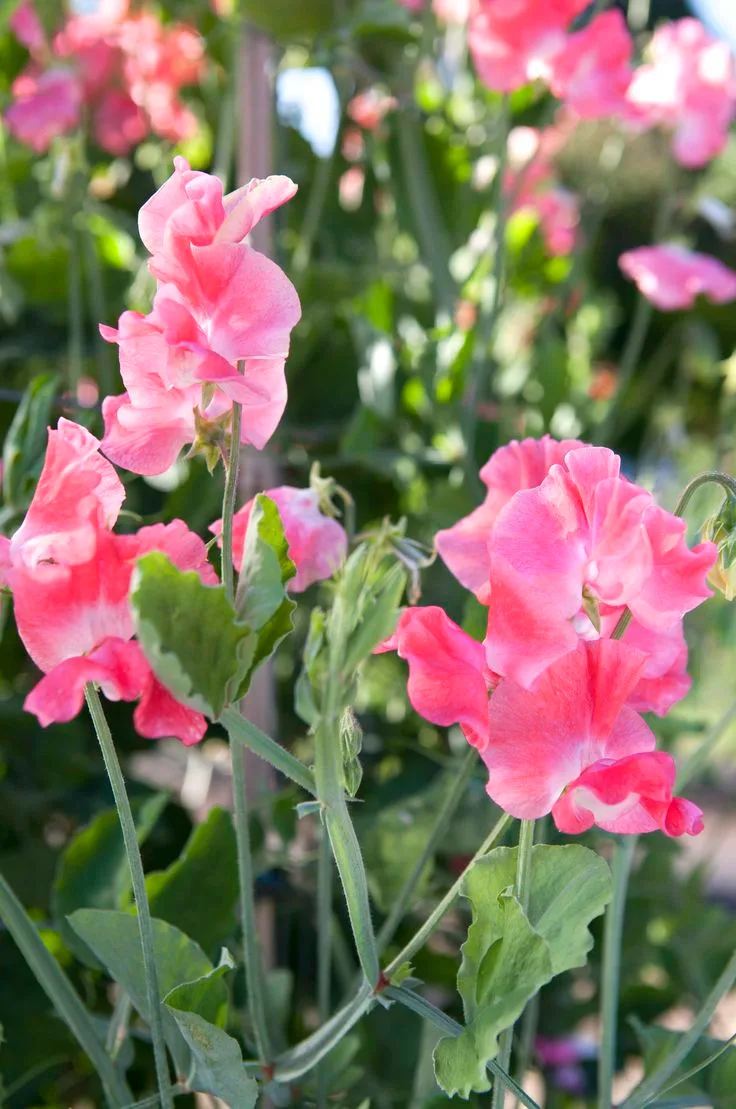
| Care difficulty | 2 / 5 |
|---|---|
| Watering schedule | Water regularly in growth, keeping roots cool and evenly moist |
| Sunlight requirements | Full sun · Partial shade |
| Ideal temperature | Information to be completed |
| Soil type | Clay · Loam · Sand |
| Soil pH | Acid · Alkaline · Neutral |
| Soil moisture | Well drained |
| Fertilizing | High-potash sweet pea feed every two weeks through flowering season |
| Toxicity | Pods and seeds are not edible. Wear gloves and other protective equipment when handling |
How to Water sweet pea 'First Flame'?
Water regularly in growth, keeping roots cool and evenly moist
Learn more →What Are the Sunlight Requirements for sweet pea 'First Flame'?
Full sun · Partial shade
Learn more →What Is the Ideal Temperature Range for sweet pea 'First Flame'?

Information to be completed
Learn more →What Soil Is Best for sweet pea 'First Flame'?
- Soil type
- Clay · Loam · Sand
- Soil pH
- Acid · Alkaline · Neutral
What Are the Moisture Requirements for sweet pea 'First Flame'?
Well drained
Learn more →How to Fertilize sweet pea 'First Flame'?

High-potash sweet pea feed every two weeks through flowering season
Learn more →How to Prune sweet pea 'First Flame'?

No pruning needed but deadhead as soon as flowers fade
Learn more →How to Propagate sweet pea 'First Flame'?

Propagate by seed. Sow in a cold frame in early autumn, early spring or in-situ in mid-spring. See sowing seeds indoors for further advice
Learn more →How to Transplant sweet pea 'First Flame'?
Information to be completed
Learn more →How to Care for sweet pea 'First Flame' in Winter?

Information to be completed
Learn more →How to Plant sweet pea 'First Flame'?
Grow in humus-rich, fertile, well-drained soil in full sun or light dappled shade. Incorporate well-rotted organic manure before planting and apply a balanced liquid fertilizer every two weeks when in growth. Deadhead regularly to prolong flowering. See sweetpea cultivation for further information
Learn more →How to Repot sweet pea 'First Flame'?
Information to be completed
Learn more →How to Harvest sweet pea 'First Flame'?

Information to be completed
Learn more →Common Pests & Diseases

Diseases
May be susceptible to powdery mildews, Fusarium wilt and sweet pea viruses
Pests
May be susceptible to aphids, slugs and snails
Explore the plant health library →The Toxicity of sweet pea 'First Flame'
Pods and seeds are not edible. Wear gloves and other protective equipment when handling