



Planting and Growing squash 'Spaghetti Pasta'

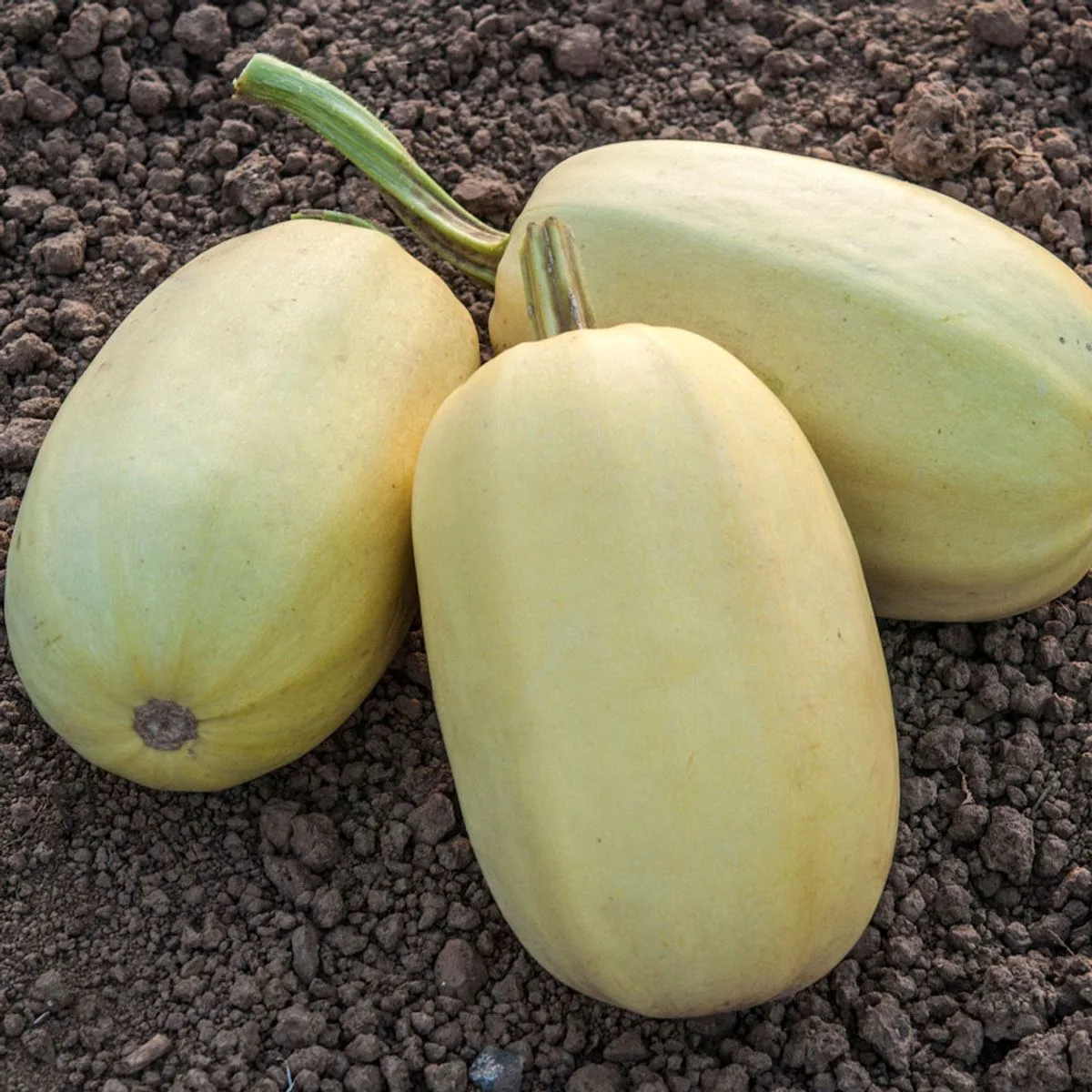
| Care difficulty | 2 / 5 |
|---|---|
| Watering schedule | Maintain evenly moist soil, frequent watering during fruit development |
| Sunlight requirements | Full sun |
| Ideal temperature | Information to be completed |
| Soil type | Loam · Sand |
| Soil pH | Acid · Neutral |
| Soil moisture | Moist but well drained · Well drained |
| Fertilizing | High potassium vegetable feed every two weeks in fruiting period |
| Toxicity | If crop is bitter, don't eat. Wear gloves and other protective equipment when handling |
How to Water squash 'Spaghetti Pasta'?
Maintain evenly moist soil, frequent watering during fruit development
Learn more →What Are the Sunlight Requirements for squash 'Spaghetti Pasta'?
Full sun
Learn more →What Soil Is Best for squash 'Spaghetti Pasta'?
- Soil type
- Loam · Sand
- Soil pH
- Acid · Neutral
What Are the Moisture Requirements for squash 'Spaghetti Pasta'?
Moist but well drained · Well drained
Learn more →How to Fertilize squash 'Spaghetti Pasta'?

High potassium vegetable feed every two weeks in fruiting period
Learn more →How to Prune squash 'Spaghetti Pasta'?

No pruning required
Learn more →How to Propagate squash 'Spaghetti Pasta'?

Propagate by seed. See sowing vegetable seeds or sowing seeds indoors for further advice
Learn more →How to Plant squash 'Spaghetti Pasta'?
Grow in fertile, moisture retentive but well drained, acidic to neutral soil in full sun. Sow indoors March to May in good quality seed compost. Sow the seeds on their side 1cm deep and maintain a constant temperature of 18-21C. Feed regularly with a high potassium fertiliser when the first fruits start to swell. See cucurbit cultivation for further advice
Learn more →Common Pests & Diseases

Diseases
May be susceptible to grey moulds and powdery mildews
Pests
Generally pest-free
Explore the plant health library →The Toxicity of squash 'Spaghetti Pasta'
If crop is bitter, don't eat. Wear gloves and other protective equipment when handling