



Planting and Growing greater snowdrop 'Kite'

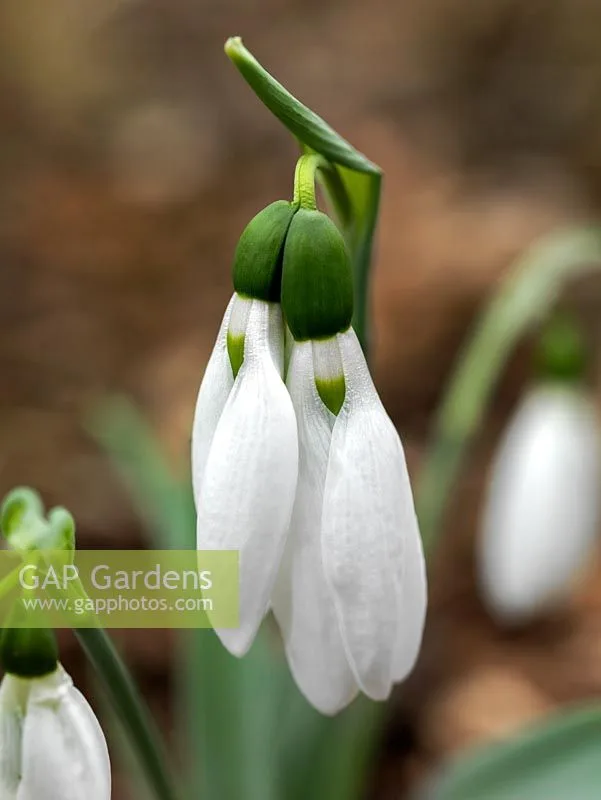
| Care difficulty | 2 / 5 |
|---|---|
| Watering schedule | Keep soil moist during active growth and bloom, reducing water after foliage dies back. |
| Sunlight requirements | Full sun · Partial shade |
| Ideal temperature | Information to be completed |
| Soil type | Chalk · Clay · Loam · Sand |
| Soil pH | Acid · Alkaline · Neutral |
| Soil moisture | Moist but well drained · Well drained |
| Fertilizing | Apply a low-nitrogen bulb fertilizer after flowering to support next year's growth. |
| Toxicity | Harmful if eaten. Wear gloves and other protective equipment when handling |
How to Water greater snowdrop 'Kite'?
Keep soil moist during active growth and bloom, reducing water after foliage dies back.
Learn more →What Are the Sunlight Requirements for greater snowdrop 'Kite'?
Full sun · Partial shade
Learn more →What Soil Is Best for greater snowdrop 'Kite'?
- Soil type
- Chalk · Clay · Loam · Sand
- Soil pH
- Acid · Alkaline · Neutral
What Are the Moisture Requirements for greater snowdrop 'Kite'?
Moist but well drained · Well drained
Learn more →How to Fertilize greater snowdrop 'Kite'?

Apply a low-nitrogen bulb fertilizer after flowering to support next year's growth.
Learn more →How to Prune greater snowdrop 'Kite'?

No pruning required
Learn more →How to Propagate greater snowdrop 'Kite'?

Propagate by division as the foliage dies back
Learn more →How to Plant greater snowdrop 'Kite'?
Grow in humus-rich, moist but well-drained soil that does not dry out in summer in sun or partial shade. See snowdrop cultivation
Learn more →Common Pests & Diseases

Diseases
May be susceptible to snowdrop grey mould
Pests
May be susceptible to narcissus bulb fly
Explore the plant health library →The Toxicity of greater snowdrop 'Kite'
Harmful if eaten. Wear gloves and other protective equipment when handling