



Planting and Growing Chinese flowering quince

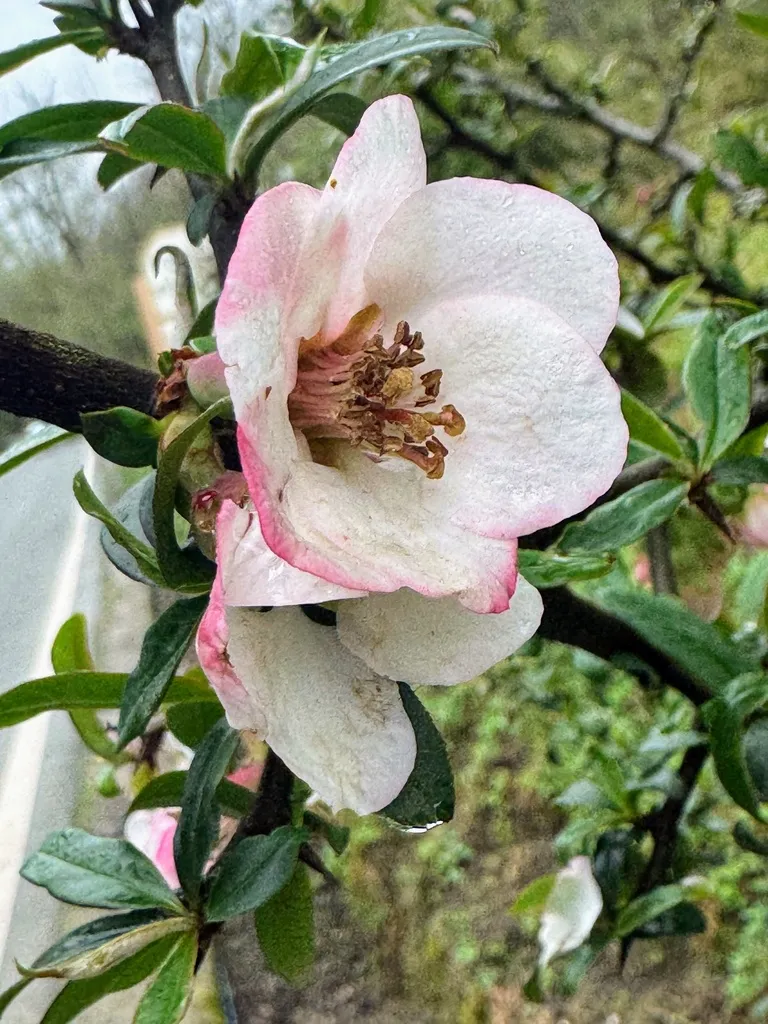
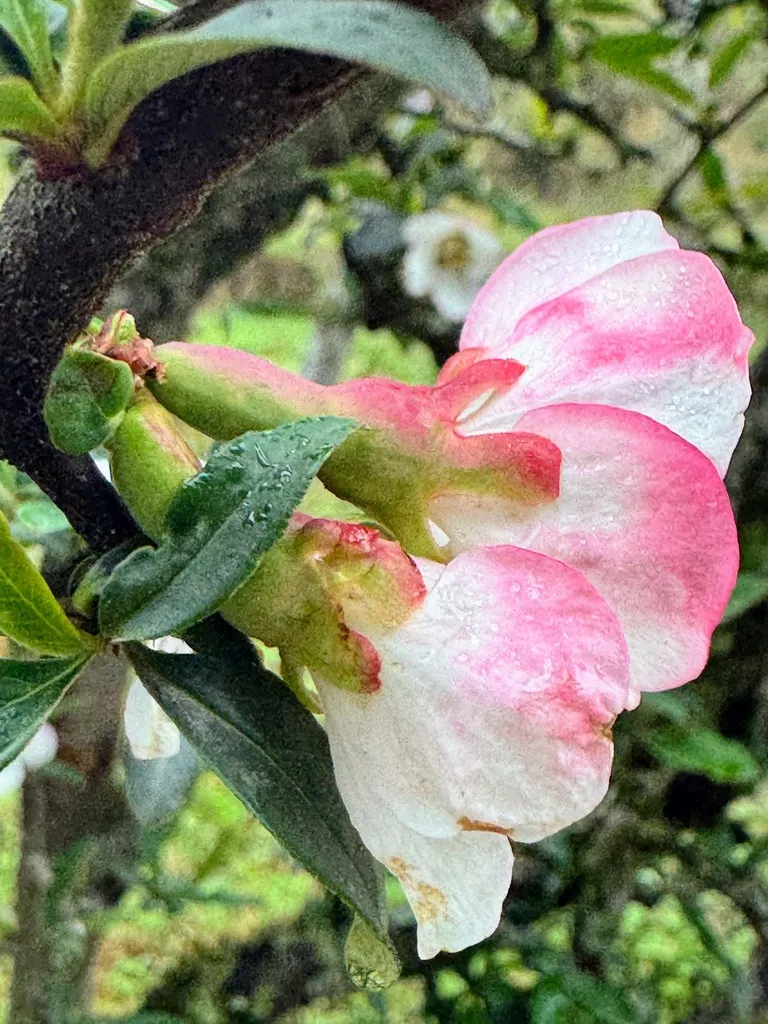
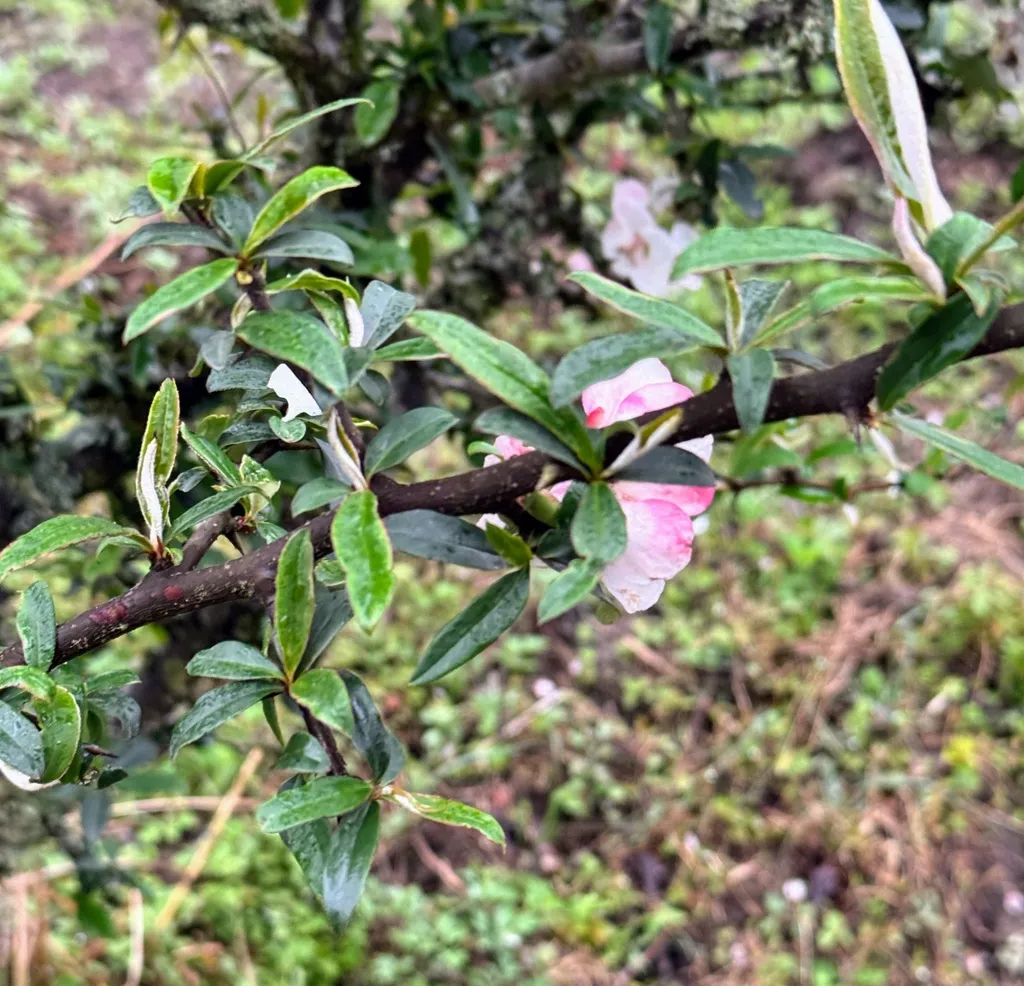
| Care difficulty | 2 / 5 |
|---|---|
| Watering schedule | Moderate regular watering, deep soak during prolonged dry hot weather |
| Sunlight requirements | Full sun · Partial shade |
| Ideal temperature | Information to be completed |
| Soil type | Chalk · Clay · Loam · Sand |
| Soil pH | Acid · Alkaline · Neutral |
| Soil moisture | Moist but well drained · Well drained |
| Fertilizing | Single spring slow-release fertilizer application before new leaf growth |
| Toxicity | Fruit are ornamental - not to be eaten. Wear gloves and other protective equipment when handling |
How to Water Chinese flowering quince?
Moderate regular watering, deep soak during prolonged dry hot weather
Learn more →What Are the Sunlight Requirements for Chinese flowering quince?
Full sun · Partial shade
Learn more →What Soil Is Best for Chinese flowering quince?
- Soil type
- Chalk · Clay · Loam · Sand
- Soil pH
- Acid · Alkaline · Neutral
What Are the Moisture Requirements for Chinese flowering quince?
Moist but well drained · Well drained
Learn more →How to Fertilize Chinese flowering quince?

Single spring slow-release fertilizer application before new leaf growth
Learn more →How to Prune Chinese flowering quince?

For free-standing plants: Cut flowered growth back to strong young shoots below, removing up to a fifth of old stems near the base each year. Prune immediately after flowering. For wall-trained specimens: On established wall-trained shrubs, shorten sideshoots to two to four buds from the framework; remove shoots growing towards the wall. Prune annually after flowering on last-year growth, or in late winter or early spring on current-year growth.
Learn more →How to Propagate Chinese flowering quince?

Propagate by semi-ripe cuttings in summer or layering in autumn
Learn more →How to Plant Chinese flowering quince?
Grow in full sun or part shade in well-drained soil, lime tolerant but may become chlorotic on very alkaline soils
Learn more →Common Pests & Diseases

Diseases
May be susceptible to fireblight, blossom wilt, brown rot and honey fungus (rarely)
Pests
May be susceptible to scale insects, brown scale and aphids
Explore the plant health library →The Toxicity of Chinese flowering quince
Fruit are ornamental - not to be eaten. Wear gloves and other protective equipment when handling