



Planting and Growing Cuban oregano

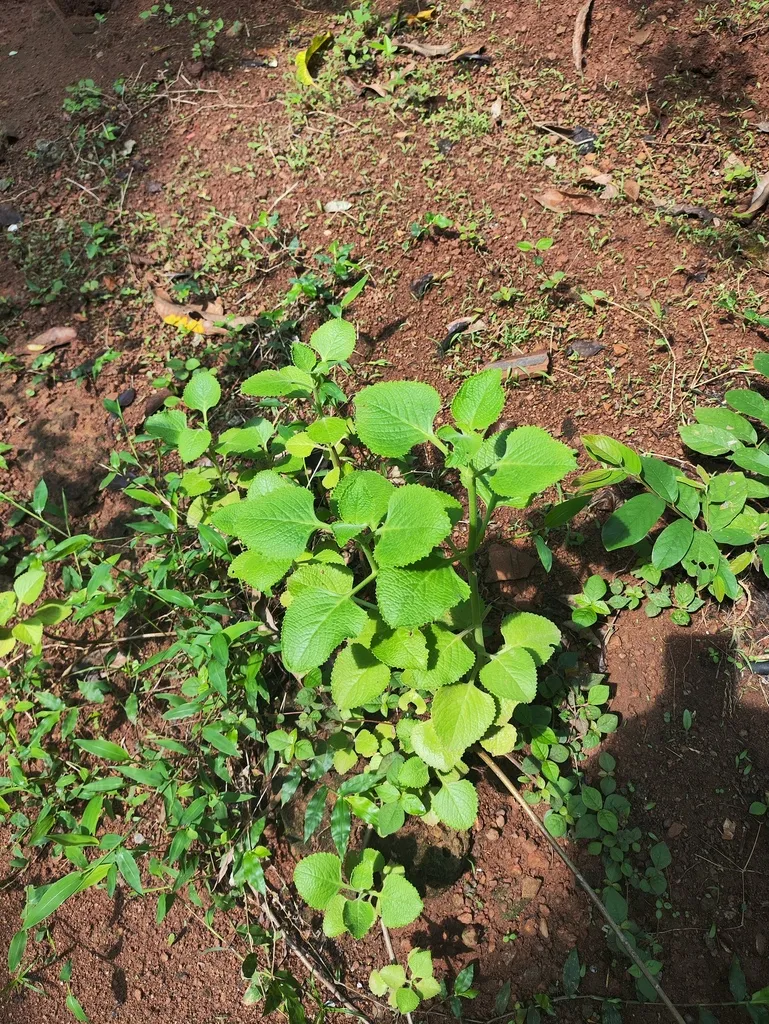
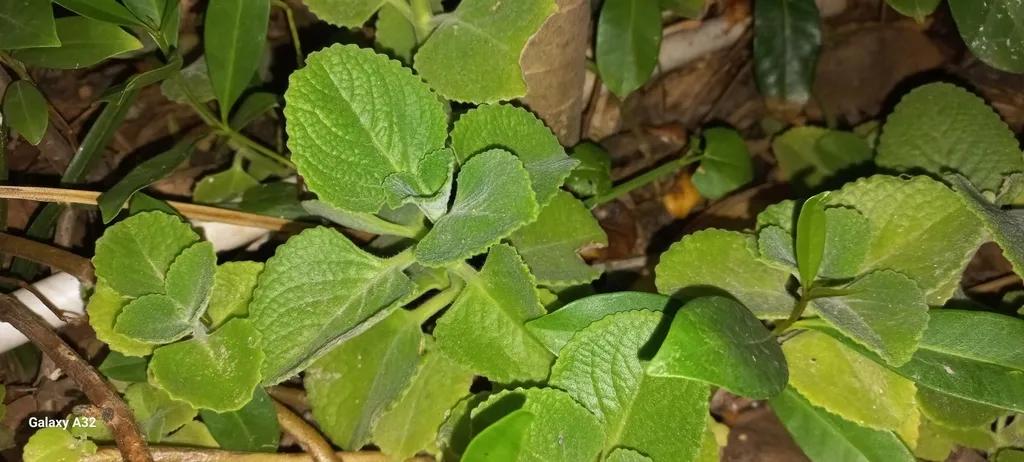
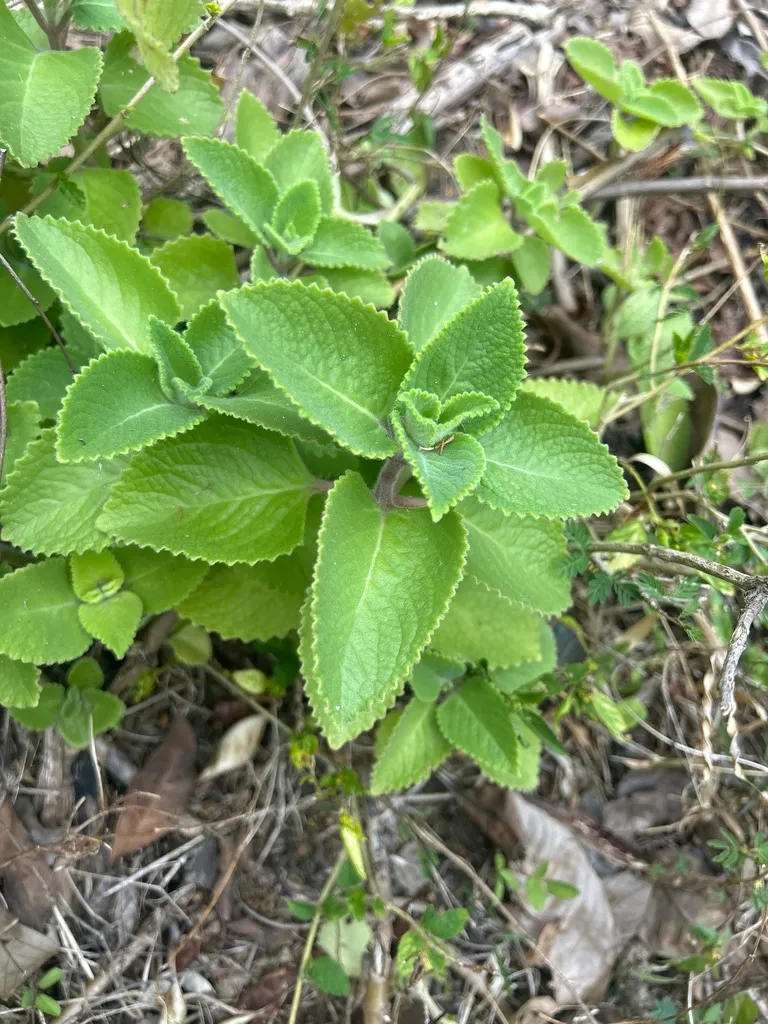
| Care difficulty | 1 / 5 |
|---|---|
| Watering schedule | Water thoroughly when top soil dries, reduce watering during cold winter |
| Sunlight requirements | Full sun |
| Ideal temperature | 15 – 25 °C |
| Soil type | Loam · Sand |
| Soil pH | Acid · Alkaline · Neutral |
| Soil moisture | Moist but well drained |
| Fertilizing | Balanced herb liquid fertilizer fed every three weeks in warm growing months |
| Toxicity | Information to be completed |
How to Water Cuban oregano?
Originating from the semi-arid regions, mexican mint has adapted to thrive with less frequent hydration, exhibiting a preference for drier conditions. It is resilient against drought, maintaining its vigor even when water is scarce. For optimal growth, watering every week suffices to meet its moderate moisture needs. As an herb commonly cultivated in containers, mexican mint benefits from well-draining soil that prevents waterlogging, which aligns with its low-water adaptability and enhances its aromatic foliage.
Learn more →What Are the Sunlight Requirements for Cuban oregano?
Mexican mint's optimal light conditions include partial sun exposure, where the intensity is moderate. Under such light, the plant can experience vigorous growth, as the light quality contributes significantly to its health. Although mexican mint tolerates full sun, excessive exposure may lead to stress, manifesting in leaf discoloration or reduced growth. Adaptive traits such as leaf adjustments help mexican mint maximize light absorption without incurring damage. Ideally, mexican mint should be planted outdoors in locations that offer morning sunlight with afternoon shade to protect it from the harsher rays of the midday sun.
Learn more →What Is the Ideal Temperature Range for Cuban oregano?

Mexican mint is remarkably resilient to temperature variations, tolerating cold down to 0℃ (32℉) and heat up to 43℃ (109℉). This broad temperature tolerance makes mexican mint adaptable to diverse climates. However, in colder conditions, symptoms like leaf discoloration or wilting may appear, while overheating can cause leaf scorch or dehydration. Care for mexican mint includes providing frost protection and adequate watering during heatwaves. Mulching can insulate roots against both extreme colds and hots. Additionally, moving the plant indoors or providing shading can help mitigate temperature stress, ensuring mexican mint thrives in various environments.
Learn more →What Soil Is Best for Cuban oregano?
Mexican mint thrives in well-draining soil. Create a potting mix with peat, compost, and perlite or sand for aeration. If peat is unavailable, use coconut coir. Amend with slow-release fertilizer at planting. Good drainage is critical—ensure pots have holes and avoid compacted soil. Water when topsoil is dry to the touch.
- Soil type
- Loam · Sand
- Soil pH
- Acid · Alkaline · Neutral
What Are the Moisture Requirements for Cuban oregano?
Moist but well drained
Learn more →How to Fertilize Cuban oregano?

For 'mexican mint', utilize high nitrogen fertilizers to support lush foliage growth. Fertilize monthly, spring through fall, sparingly in winter. Apply fertilizer diluted to half the recommended strength to avoid overfeeding. Benefits include vibrant growth and robust health. During initial growth, increase frequency to bolster establishment. In the active growing season, consistent feeding is crucial for optimal health. Ensure soil is moist before fertilization to prevent root burn. Tailor practices to growth stages and seasonal changes for best results.
Learn more →How to Prune Cuban oregano?

Mexican mint is characterized by its aromatic, fleshy leaves and rapid growth. Prune in early to late spring to encourage bushier growth. Trim back leggy stems and remove any dead or damaged foliage. Be mindful of shaping the plant to enhance air circulation and sunlight penetration. Regular pruning promotes healthier growth and more vigorous foliage. For optimal results, clean pruning tools before use and avoid over-pruning to prevent stress on the plant.
Learn more →How to Propagate Cuban oregano?

Native to tropical regions, mexican mint is a popular herbaceous plant, cherished for its aromatic foliage and medicinal uses. Propagation is most successful through stem cuttings, ensuring a quick and reliable method for gardeners to expand their collection. For optimal results, cut a healthy stem below a leaf node, remove lower leaves, and allow the cutting to root in water or directly in moist soil. Consistent warmth and bright, indirect light foster strong root development, enabling the cuttings to establish themselves as robust new plants. The ease of this method allows even novice gardeners to successfully propagate mexican mint.
Learn more →How to Transplant Cuban oregano?
The best time to transplant mexican mint is from mid-spring to early summer, or from mid-fall to early winter, when the plant is actively growing. Ensure a well-draining location with plenty of sunlight. If needed, provide extra care during the first few weeks to promote a healthy transition.
Learn more →How to Care for Cuban oregano in Winter?

Mexican mint thrives in warm, tropical climates and has minimal natural tolerance to freezing temperatures. It's adapted to seek shelter under larger plants during chilly periods. For winter care, gardeners should bring mexican mint indoors or protect it with frost cloths. Bright, indirect light and minimal watering help mexican mint to survive the winter and prep for vibrant spring growth.
Learn more →How to Plant Cuban oregano?
Indoors-potted: Thriving indoors, mexican mint benefits from regular pinching to encourage bushy growth and prevent legginess, especially in low-light conditions. Outdoors-potted: Mexican mint, when potted outdoors, appreciates a sheltered spot where it can enjoy warmth without the harshness of midday heat. Outdoors-in the ground: In garden soil, mexican mint requires ample space as it tends to spread; pruning helps maintain its shape and promotes denser foliage.
Learn more →How to Repot Cuban oregano?
Repot mexican mint every 2-3 years due to its moderate growth as a lush, bushy herb. Optimal repotting time is spring before the growth spurt. Use a pot just a size larger to support its roots without over-watering risk. After repotting, mexican mint requires consistent moisture and indirect light to thrive. Avoid compacted soil to let mexican mint breathe and grow healthily.
Learn more →How to Harvest Cuban oregano?

Information to be completed
Learn more →Common Pests & Diseases

Diseases
Generally disease-free
Pests
Generally pest-free
Explore the plant health library →The Toxicity of Cuban oregano
Information to be completed