



Planting and Growing silver birch

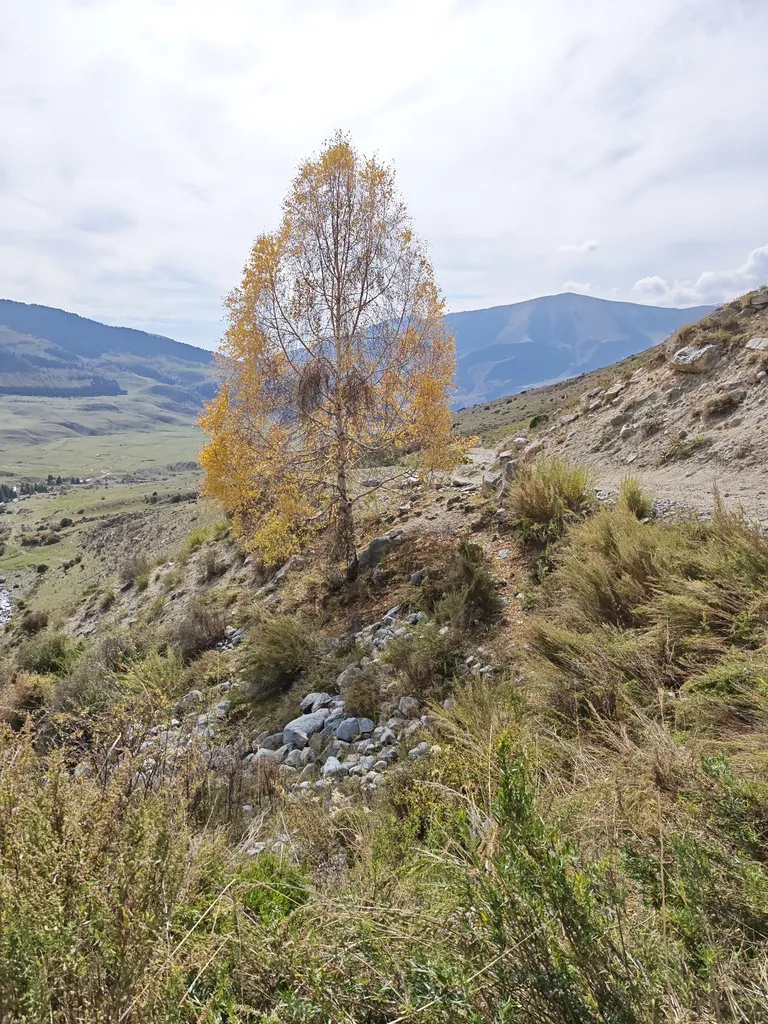
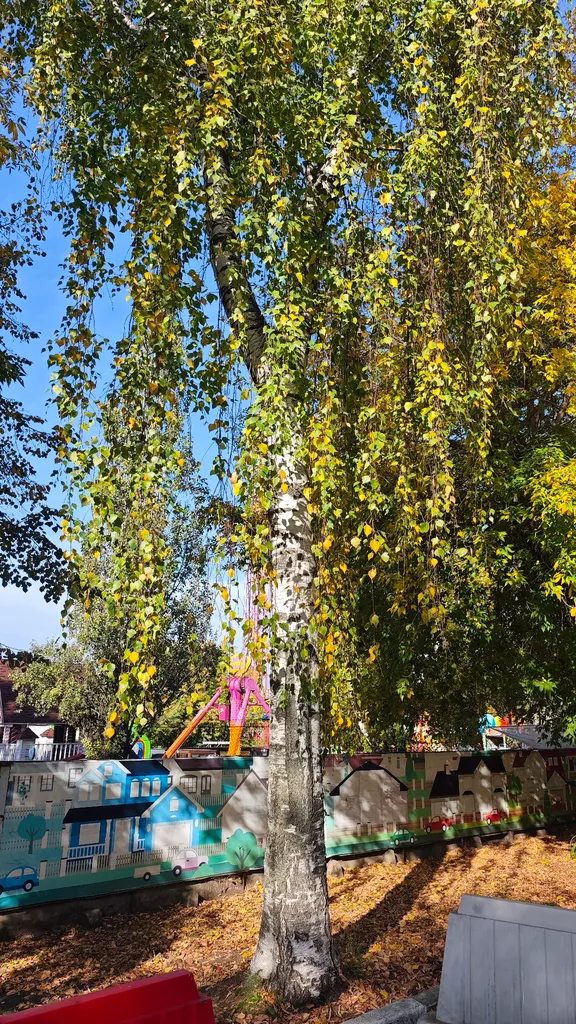
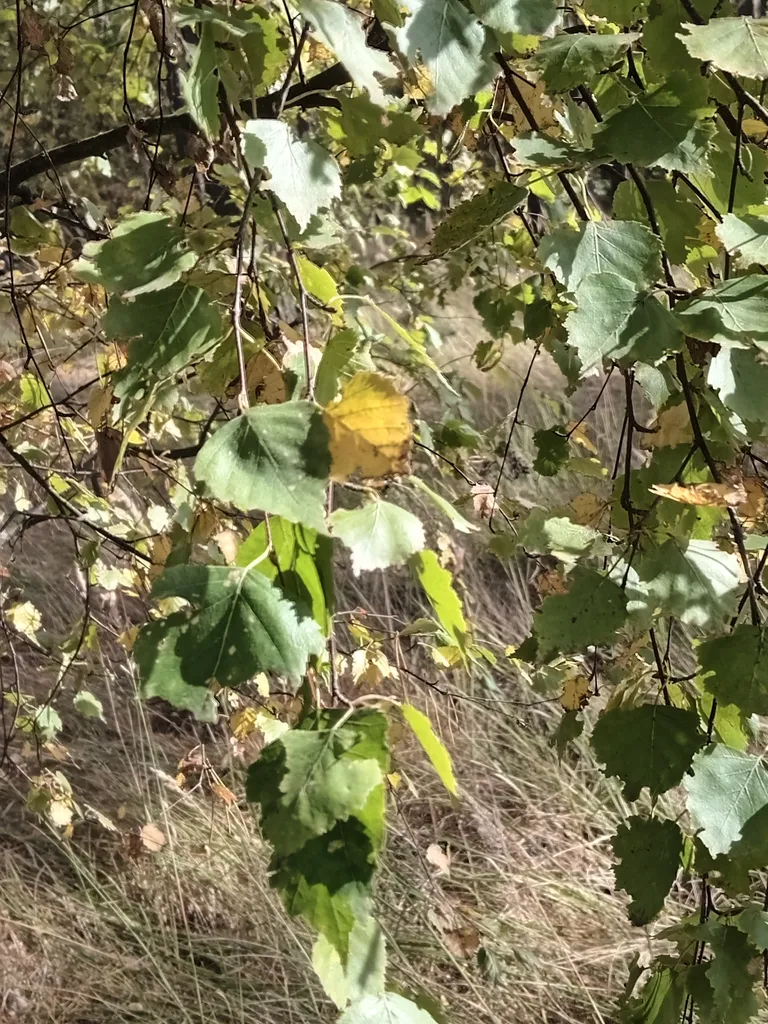
| Care difficulty | 2 / 5 |
|---|---|
| Watering schedule | Keep soil moist, especially in dry periods |
| Sunlight requirements | Full sun · Partial shade |
| Ideal temperature | 15 – 25 °C |
| Soil type | Chalk · Clay · Loam · Sand |
| Soil pH | Acid · Alkaline · Neutral |
| Soil moisture | Moist but well drained · Well drained |
| Fertilizing | Once in early spring and once in mid-summer |
| Toxicity | Information to be completed |
How to Water silver birch?
Originating from the temperate regions, silver birch is accustomed to moderate moisture levels and can withstand brief periods of drought. Its preference for a balance between dryness and humidity reflects its resilience. The watering regimen for silver birch should be once every 1-2 weeks, aligning with its adaptability to occasional water stress. Typically grown outdoors, silver birch thrives in climates where rainfall patterns ensure adequate hydration during its active growth cycles without the need for frequent supplemental watering.
Learn more →What Are the Sunlight Requirements for silver birch?
Silver birch thrives in full sun, where it can receive unfiltered sunlight for at least six hours a day. This exposure maximizes its growth and health, leading to robust development and better resistance to pests and diseases. Despite its preference for abundant sunlight, silver birch exhibits a degree of flexibility, tolerating partial sun conditions. However, insufficient light may lead to a sparser canopy and reduced vigor. Adaptive in nature, silver birch's foliage can adjust to varying light levels, but optimal brightness promotes its distinctive silvery bark and leaf luster. Recommended for outdoor planting, silver birch prefers open spaces away from heavy shade to fully capitalize on its light requirements.
Learn more →What Is the Ideal Temperature Range for silver birch?

Silver birch is highly resilient, tolerating temperatures from -30℃ (-22℉) to 35℃ (95℉). This wide range indicates excellent adaptability to both cold and heat extremes. In cold conditions, symptoms of distress might include leaf drop and twig dieback, while excessive heat can cause wilting and scorch marks. Care requirements include mulching for insulation in winter and adequate watering during hot spells. Its robust temperature tolerance makes silver birch suitable for diverse climates, though preventive measures like frost covers or shade cloths may be necessary during extreme weather to ensure optimal health.
Learn more →What Soil Is Best for silver birch?
Silver birch naturally inhabits temperate regions with slightly acidic to neutral soil (pH 5.0-6.5). It thrives in sandy loam with good drainage and moderate organic matter. To recreate these conditions, mix 40% garden soil, 30% coarse sand, and 30% well-rotted compost. Ensure proper drainage by adding a layer of gravel at the bottom of the planting hole. Avoid water-logging to prevent root rot. Supplement with balanced, slow-release fertilizer during the growing season. This setup mimics silver birch's native soil and supports optimal health.
- Soil type
- Chalk · Clay · Loam · Sand
- Soil pH
- Acid · Alkaline · Neutral
What Are the Moisture Requirements for silver birch?
Moist but well drained · Well drained
Learn more →How to Fertilize silver birch?

For optimal growth, silver birch benefits from spring fertilization using balanced nutrition fertilizer, shifting to high nitrogen in the growing season. Applying every 3-4 weeks from early spring to late summer enhances vigor and promotes robust foliage. Use as per manufacturer's guidelines, avoiding over-fertilization which can damage roots and limit growth. Seasonal considerations vary; spring demands more nutrient input to support new growth, while minimal to no fertilization is best in fall and winter. Practical tip: incorporate fertilizer into the topsoil gently to avoid root disturbance, ensuring uniform distribution for silver birch's health.
Learn more →How to Prune silver birch?

Silver birch is characterized by its graceful, pendulous branches and distinctive white bark. Key pruning techniques include removing dead or diseased branches, thinning overcrowded areas to improve air circulation, and shaping to maintain aesthetic form. The optimal time for pruning is early spring, just before the growing season. Pruning silver birch enhances its health and vigor, prevents pest infestations, and encourages robust growth. Ensure sharp, clean tools are used to make precise cuts and reduce the risk of disease.
Learn more →How to Propagate silver birch?

Silver birch propagates through hardwood cuttings, layering (air), and sowing seeds in Autumn and Winter. Propagation difficulty is moderate. Successful propagation is evident by the emergence of new shoots. To improve success rates, keep the soil evenly moist and provide adequate light.
Learn more →How to Transplant silver birch?
The perfect time to transplant silver birch is during the awakening of nature in early spring, as it promotes successful root establishment. Choose a well-drained location that receives adequate sunlight. Gently loosen the root ball to encourage new growth while transplanting.
Learn more →How to Care for silver birch in Winter?

Information to be completed
Learn more →How to Plant silver birch?
Indoors-potted: In an indoor setting, silver birch thrives with ample space to grow — consider high ceilings for its stature. Outdoors-potted: Silver birch in outdoor pots require rotation to ensure even growth and to prevent leaning towards light sources. Outdoors-in the ground: When planted outdoors, silver birch enriches soil health as it ages, making it a wise choice for ecological gardeners.
Learn more →How to Repot silver birch?
Information to be completed
Learn more →How to Harvest silver birch?

Information to be completed
Learn more →Common Pests & Diseases

Diseases
May be susceptible to honey fungus, a tree rust and powdery mildews
Pests
May be susceptible to birch borers, leaf-mining sawflies and aphids
Explore the plant health library →The Toxicity of silver birch
Information to be completed