



Planting and Growing Japanese spiraea

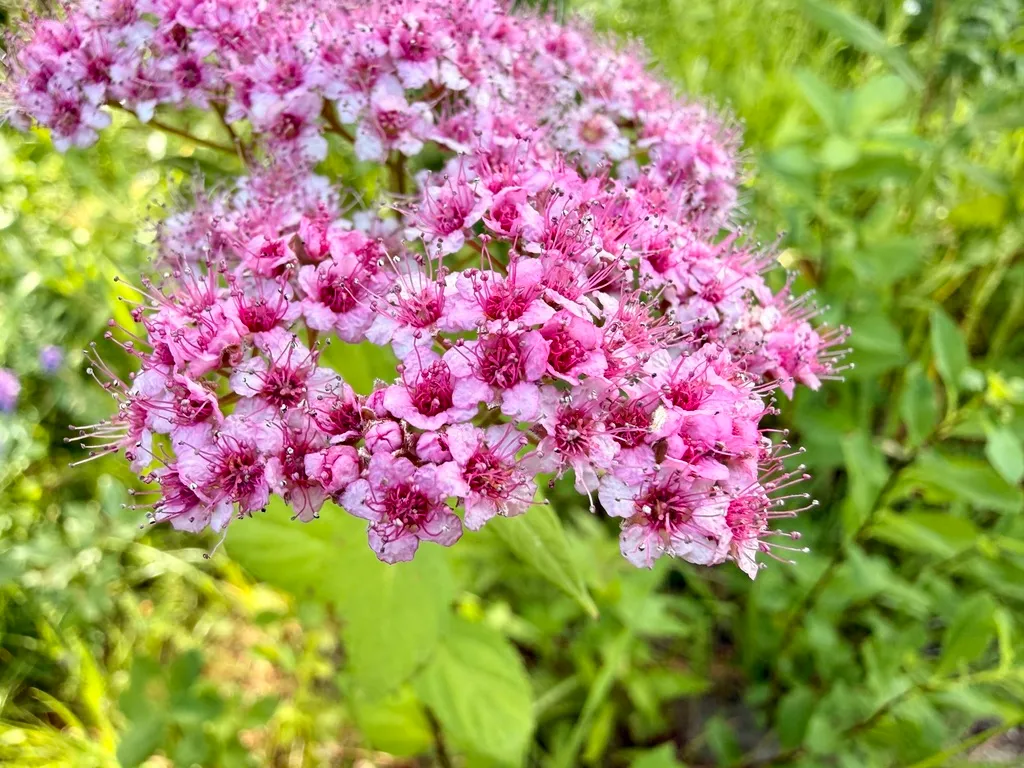
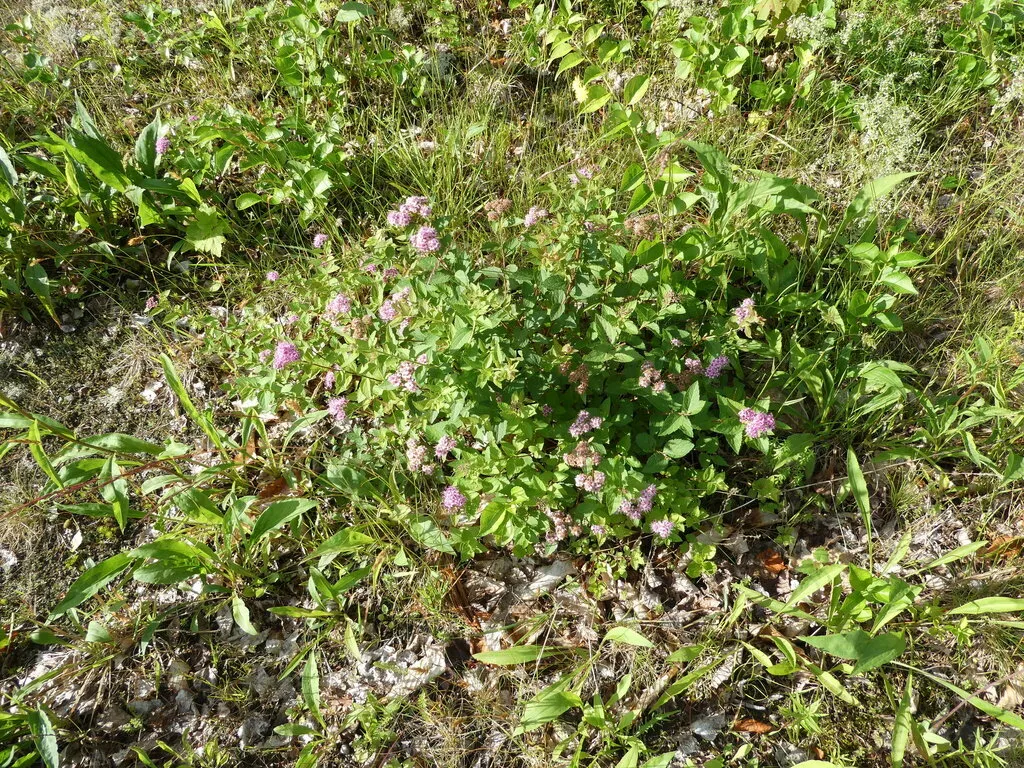
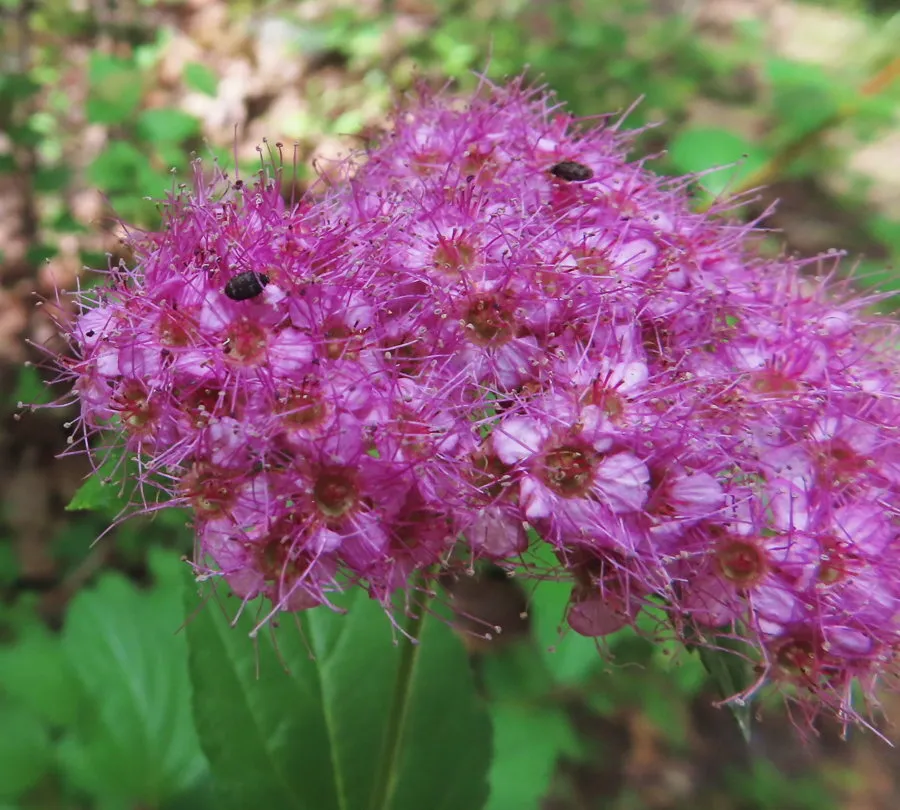
| Care difficulty | 1 / 5 |
|---|---|
| Watering schedule | Moderate regular watering, allowing brief slight drying between soakings |
| Sunlight requirements | Full sun · Partial shade |
| Ideal temperature | 15 – 25 °C |
| Soil type | Chalk · Clay · Loam · Sand |
| Soil pH | Acid · Alkaline · Neutral |
| Soil moisture | Moist but well drained · Well drained |
| Fertilizing | Balanced perennial feed every four weeks from spring through summer |
| Toxicity | Information to be completed |
How to Water Japanese spiraea?
Originating from regions with moderate moisture, japanese meadowsweet has adapted to withstand periods of less frequent rainfall. This species thrives in conditions that mimic its native environment's balanced humidity levels, exhibiting a preference for consistent but not excessive watering. Accordingly, japanese meadowsweet benefits from watering once every 1-2 weeks, ensuring the soil remains moist without becoming waterlogged. Typically grown outdoors due to its size and ornamental value, japanese meadowsweet flourishes when the soil is well-draining and enriched during its active growing season, which is closely tied to water availability.
Learn more →What Are the Sunlight Requirements for Japanese spiraea?
Japanese meadowsweet thrives in full sun, requiring direct sunlight for optimal growth and flowering. Exposure to at least six hours of sunlight daily enhances its flowering capabilities and overall health. While japanese meadowsweet prefers full sunlight, it exhibits a good tolerance to partial sun, adapting well to slightly shaded conditions. In partial sun, japanese meadowsweet may experience reduced flowering and slower growth but generally maintains good health. Outdoors, japanese meadowsweet should be planted in locations that can offer the required intensity and duration of light exposure. Adaptations such as leaf adjustments help japanese meadowsweet maximize light absorption under varying light conditions.
Learn more →What Is the Ideal Temperature Range for Japanese spiraea?

Japanese meadowsweet exhibits impressive resilience to temperature extremes, enduring cold down to -25℃ (-13℉) and heat up to 41℃ (105℉). Such a broad tolerance means it can thrive in diverse climates. However, under severe cold, the plant may exhibit leaf damage and stem dieback, while excessive heat can cause leaf scorch and reduced growth. Providing mulch during winter can protect roots from freezing, and adequate watering during extreme heat can prevent dehydration. This tolerance makes japanese meadowsweet suitable for a variety of environments, from temperate to subtropical regions.
Learn more →What Soil Is Best for Japanese spiraea?
Japanese meadowsweet can grow in barren, saline-alkali soil. It doesn't require anything specific from the soil, which means you can use all-purpose garden soil. It likes sandy soil that is loose, permeable, and rich in organic matter, but can also live in loamy clay soil. If your region gets a lot of rain, mix 3 parts garden soil and 1 part river sand or perlite to improve the soil's permeability and water drainage. It grows best in soil with a pH value at 7, a.k.a. neutral soil.
- Soil type
- Chalk · Clay · Loam · Sand
- Soil pH
- Acid · Alkaline · Neutral
What Are the Moisture Requirements for Japanese spiraea?
Moist but well drained · Well drained
Learn more →How to Fertilize Japanese spiraea?

For optimal growth, japanese meadowsweet benefits from fertilization with balanced nutrition fertilizers, ideally in spring before new growth begins. A slow-release formula or an organic blend geared towards flowering shrubs is recommended. Apply annually, following the package's guidelines on quantity to support foliage and flower development. Over-fertilization can lead to poor health; hence, adherence to suggested amounts is crucial. Practical tip: Water japanese meadowsweet after fertilizing to help distribute nutrients. Adjust applications with plant maturity and seasonal needs for continual vigor and bloom enhancement.
Learn more →How to Prune Japanese spiraea?

Japanese meadowsweet features dense clusters of tiny flowers and attractive foliage, making it popular in gardens. For this species, key pruning techniques include cutting back dead or damaged wood, thinning for improved air circulation, and shaping to maintain desired size. Optimal pruning time is late spring, post-bloom. Routine pruning encourages healthier growth and more prolific flowering. Ensure tools are clean to prevent disease. Refer to horticultural guides for further detailed practices.
Learn more →How to Propagate Japanese spiraea?

Belonging to the Rosaceae family, japanese meadowsweet is a deciduous shrub known for its lush foliage and pink flowers. For effective propagation, take softwood cuttings in late spring, as they root easily. Ensure cuttings are about 6 inches long, snipped just below a leaf node, and remove the lower leaves. Dipping the cut end in rooting hormone increases success rates. Plant the cuttings in a well-draining soil mix, keeping them moist until roots develop. Occasional misting helps retain humidity, essential for the cuttings to thrive. With patience and proper care, the new plants will establish, mirroring the beauty of japanese meadowsweet.
Learn more →How to Transplant Japanese spiraea?
Ideal times for transplanting japanese meadowsweet range from the pleasant mid-spring to the warmth of early summer. Choose a location with well-drained soil and partial to full sun exposure. If necessary, incorporate organic matter when transplanting to enrich the soil and support healthy growth.
Learn more →How to Plant Japanese spiraea?
Indoors-potted: In an indoor setting, japanese meadowsweet requires careful pruning to maintain size and encourage the growth of its vibrant foliage. Outdoors-potted: When potted outdoors, japanese meadowsweet benefits from strategic placement for seasonal color displays and ease of overwintering in colder climates. Outdoors-in the ground: Japanese meadowsweet, thriving outdoors, enjoys ample space to showcase its cascading blooms; consider proper spacing to enhance its ornamental appeal.
Learn more →How to Repot Japanese spiraea?
Repot japanese meadowsweet during early spring before new growth starts, typically every 2-3 years to accommodate its moderate growth. Choose a container slightly larger than the current one to ensure room. After repotting, place japanese meadowsweet in bright, indirect light and water thoroughly, avoiding overly damp soil. Ample drainage and light fertilization will support japanese meadowsweet's recovery and lush foliage.
Learn more →How to Harvest Japanese spiraea?

Japanese meadowsweet's branches, leaves, and flowers are all highly ornamental and often used in bouquets. After harvest, cut the base of the flowering twigs at a 45° angle with a pair of sharp gardening scissors to maximize the water absorption surface. Place the twigs into a vase filled with clean water quickly to avoid water loss. Cut flowers can last 7-10 days.
Learn more →Common Pests & Diseases

Diseases
Generally disease-free but may be susceptible to Powdery mildews
Pests
Generally pest-free
Explore the plant health library →