



Planting and Growing paniculate restio

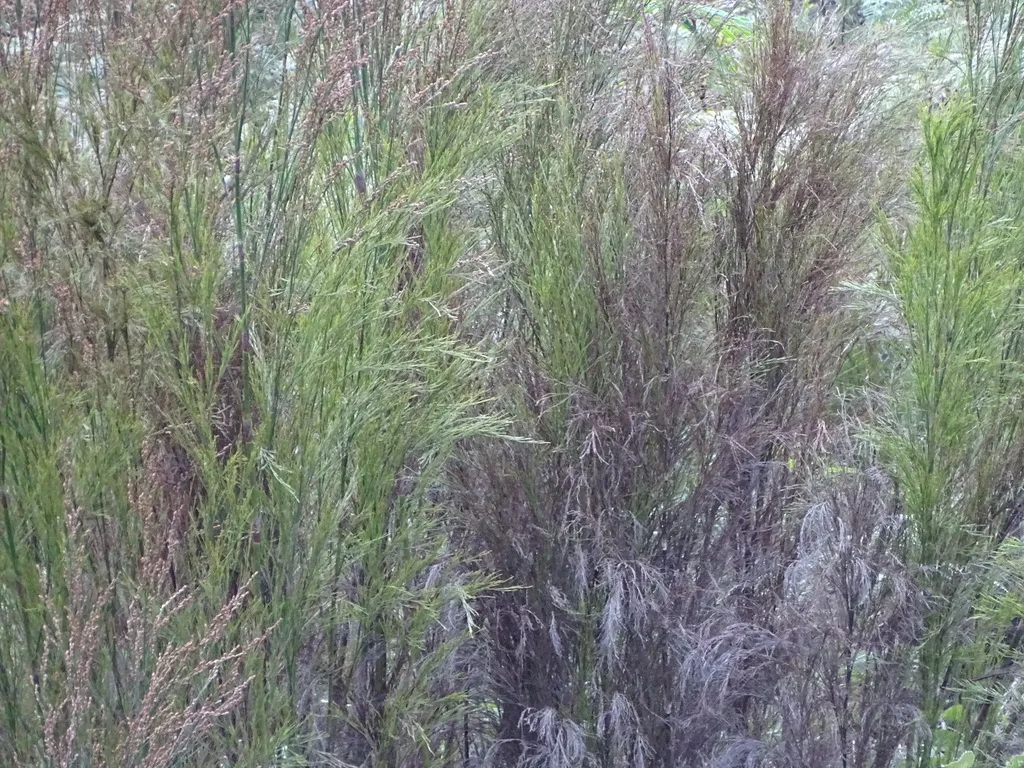
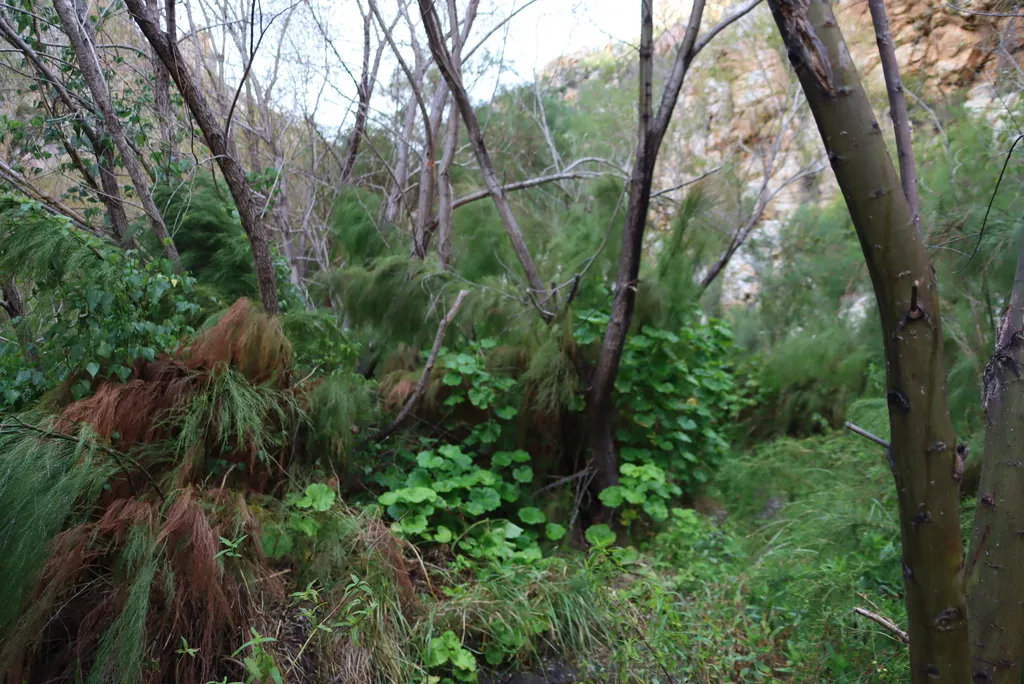
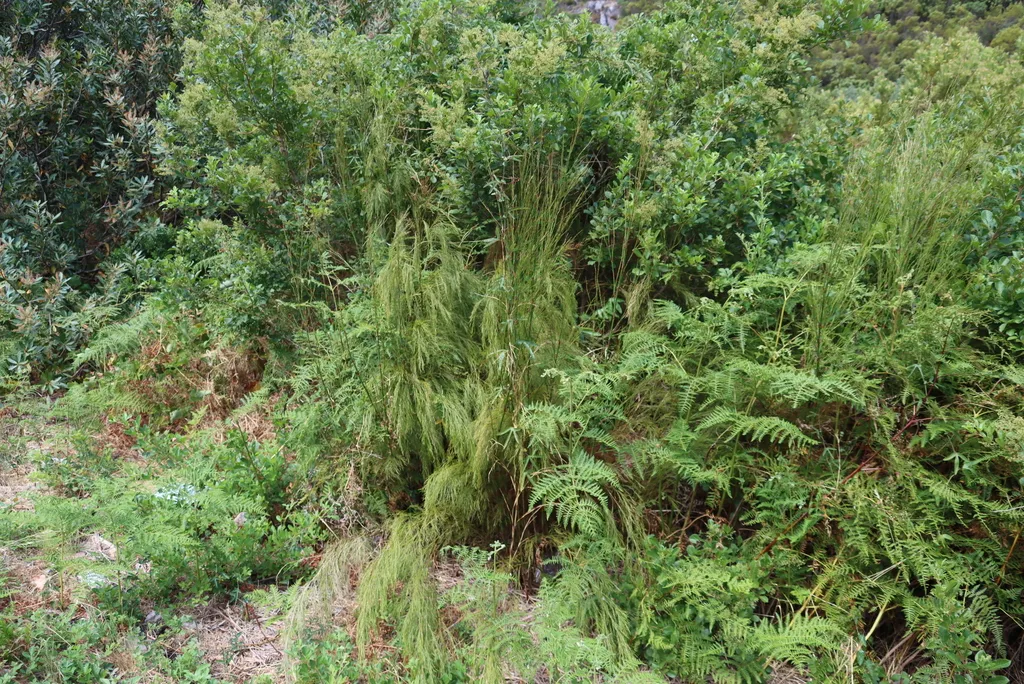
| Care difficulty | 3 / 5 |
|---|---|
| Watering schedule | Moderate regular watering, allowing brief slight drying between soakings |
| Sunlight requirements | Full sun |
| Ideal temperature | Information to be completed |
| Soil type | Loam · Sand |
| Soil pH | Acid |
| Soil moisture | Moist but well drained |
| Fertilizing | Balanced perennial feed every four weeks from spring through summer |
| Toxicity | Information to be completed |
How to Water paniculate restio?
Moderate regular watering, allowing brief slight drying between soakings
Learn more →What Are the Sunlight Requirements for paniculate restio?
Full sun
Learn more →What Is the Ideal Temperature Range for paniculate restio?

Information to be completed
Learn more →What Soil Is Best for paniculate restio?
- Soil type
- Loam · Sand
- Soil pH
- Acid
What Are the Moisture Requirements for paniculate restio?
Moist but well drained
Learn more →How to Fertilize paniculate restio?

Balanced perennial feed every four weeks from spring through summer
Learn more →How to Prune paniculate restio?

Not usually required; old stems may be removed
Learn more →How to Propagate paniculate restio?

Propagate by seed at 16-18°C after soaking for 24 hours in warm water. Divide rhizomes in early spring
Learn more →How to Transplant paniculate restio?
Information to be completed
Learn more →How to Care for paniculate restio in Winter?

Information to be completed
Learn more →How to Plant paniculate restio?
Under glass, grow in a preferably acidic, loam-based compost in full light. Water moderately when in growth during the spring summer and early autumn, sparingly at other times. Plants may be placed outside in the summer in frost-prone areas and brought back under cover in the autumn, where they should overwinter in cool temperatures and low atmospheric humidity
Learn more →How to Repot paniculate restio?
Information to be completed
Learn more →How to Harvest paniculate restio?

Information to be completed
Learn more →Common Pests & Diseases

Diseases
Generally disease free
Pests
Susceptible to glasshouse red spider mite and glasshouse whitefly when grown under glass
Explore the plant health library →The Toxicity of paniculate restio
Information to be completed