



Planting and Growing paper mulberry

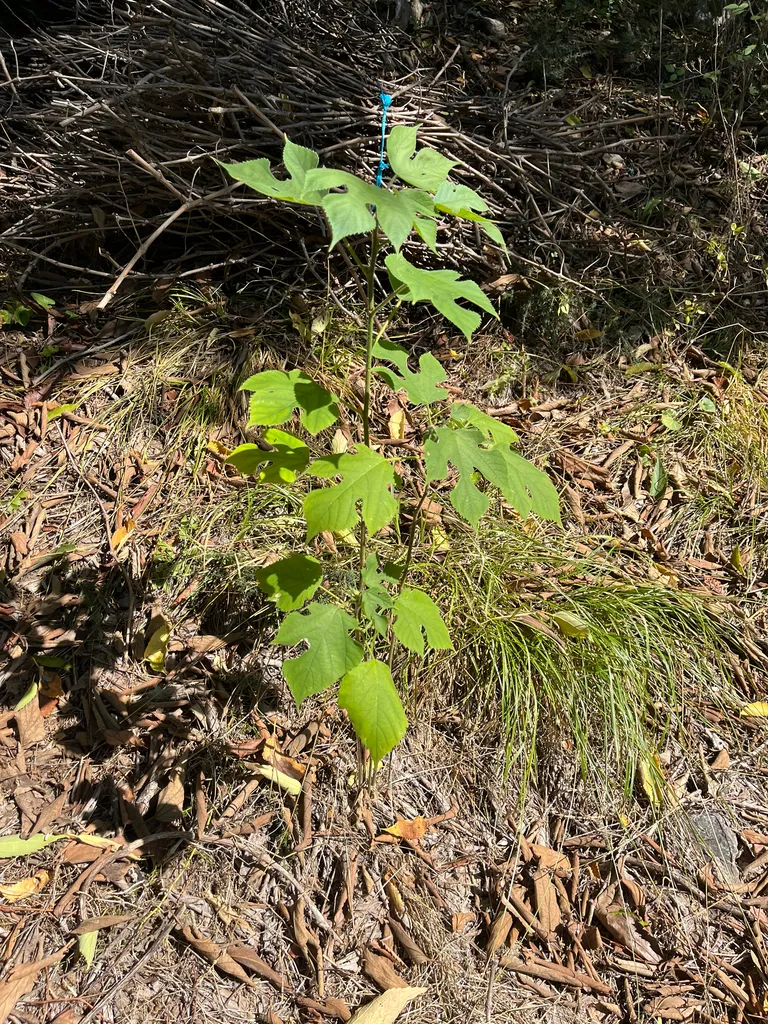
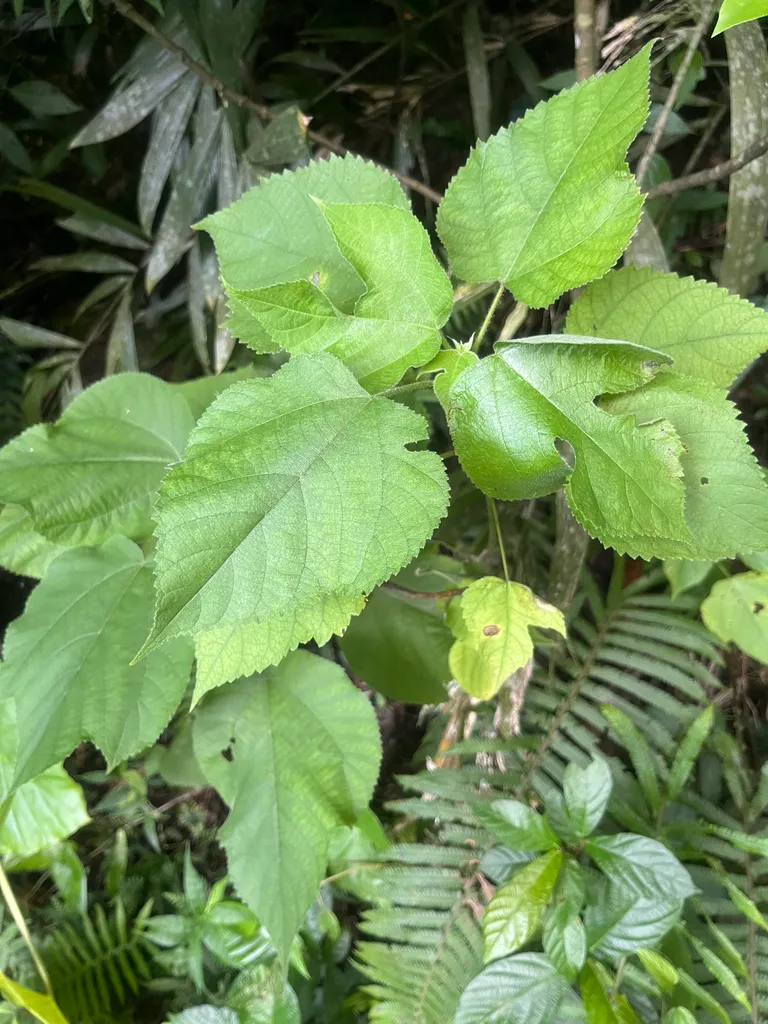
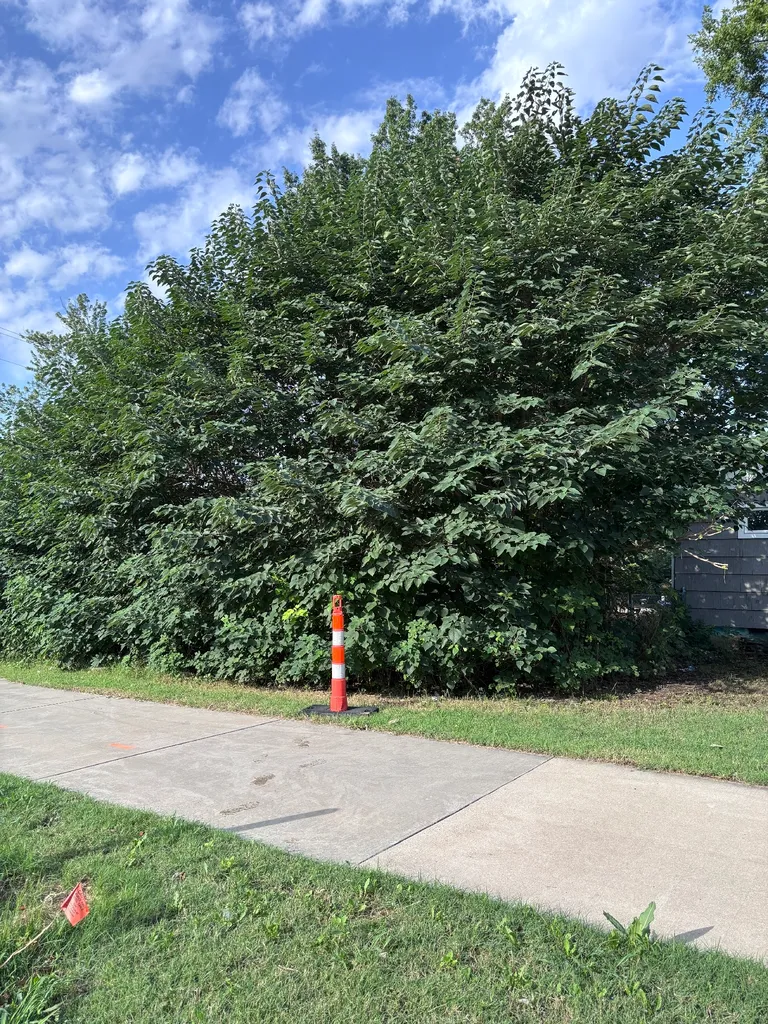
| Care difficulty | 1 / 5 |
|---|---|
| Watering schedule | Water deeply once a week, more often in heat |
| Sunlight requirements | Full sun |
| Ideal temperature | 15 – 25 °C |
| Soil type | Chalk · Clay · Loam · Sand |
| Soil pH | Acid · Alkaline · Neutral |
| Soil moisture | Moist but well drained · Well drained |
| Fertilizing | Fertilize in early spring and mid-summer |
| Toxicity | Information to be completed |
How to Water paper mulberry?
Originating from regions with distinct wet and dry seasons, tapa cloth tree has adapted to moderate water availability. It is drought-tolerant once established, requiring watering once every 1-2 weeks to maintain a balance that mimics its native environment's periodic rainfall. For indoor cultivation, tapa cloth tree thrives with consistent moisture but should not be overwatered to prevent root rot. As a deciduous plant, tapa cloth tree's water needs decrease during its dormancy period in the cooler months, aligning with seasonal changes.
Learn more →What Are the Sunlight Requirements for paper mulberry?
Tapa cloth tree thrives best in full sun exposure, benefiting from a high intensity and long duration of light to maximize growth and health. It can, however, adapt to partial sun and even full shade, signifying a notable light tolerance level. Deviations from its optimal light may result in reduced vigor and lower resistance to stress. Adaptive traits may include leaf adjustments to optimize light absorption under varying conditions. For outdoor growth, tapa cloth tree should be planted in locations that receive unfiltered sunlight for most of the day to ensure adequate light exposure and optimal performance.
Learn more →What Is the Ideal Temperature Range for paper mulberry?

Tapa cloth tree is resilient to a wide range of temperatures, tolerating from -15℃ to 38℃ (5℉ to 100℉). Despite this tolerance, extreme cold can cause leaf drop and browning, while excessive heat may lead to wilting and burnt tips. For extreme cold, mulching and frost cloths can provide protection, while adequate watering and shading help during heat waves. Tapa cloth tree's robust adaptability makes it suitable for various environments, though care must be taken to mitigate severe weather impacts.
Learn more →What Soil Is Best for paper mulberry?
Native to East Asia, tapa cloth tree thrives in a variety of well-drained soils including clay, sand, loam, and chalky compositions. Ideal soil pH ranges from acidic to slightly alkaline (5.5 to 7.5). These pH levels are essential for nutrient absorption, ensuring robust growth. A recommended soil mix includes 40% garden soil, 30% sand or perlite for aeration, and 30% organic compost for nutrients. Ensure good drainage by incorporating coarse materials and avoid water-logging.
- Soil type
- Chalk · Clay · Loam · Sand
- Soil pH
- Acid · Alkaline · Neutral
What Are the Moisture Requirements for paper mulberry?
Moist but well drained · Well drained
Learn more →How to Fertilize paper mulberry?

Fertilize in early spring and mid-summer
Learn more →How to Prune paper mulberry?

Little pruning is needed. Remove diseased, damaged, crowded or crossing shoots and unwanted growth. Timing depends on the plant: generally late winter or early spring; plants prone to bleeding and deciduous magnolias need different timing, and deciduous azaleas and lilacs are pruned after flowering.
Learn more →How to Propagate paper mulberry?

Tapa cloth tree propagates easily in Autumn and Winter through various methods such as hardwood cuttings, layering, and sowing seeds. Propagation difficulty is low to medium, but signs of successful propagation include new root growth and leaf development. Key tips include using rooting hormone and maintaining consistent moisture levels in the soil.
Learn more →How to Transplant paper mulberry?
Opt for the vernal awakening of nature to transplant tapa cloth tree, ensuring its robust growth. Choose a sun-dappled spot with well-draining soil, and gently encourage its roots to adapt to their new home for thriving vitality.
Learn more →How to Care for paper mulberry in Winter?

Information to be completed
Learn more →How to Plant paper mulberry?
Will only survive in mild areas, but will grow in almost any well-drained soil, in full sun with shelter from wind. Where summers are hot enough to ripen wood, will mature as a tree, otherwise remains shrubby
Learn more →How to Repot paper mulberry?
Information to be completed
Learn more →How to Harvest paper mulberry?

Information to be completed
Learn more →Common Pests & Diseases

Diseases
Susceptible to canker and leaf spot
Pests
Generally trouble free
Explore the plant health library →The Toxicity of paper mulberry
Information to be completed