



Planting and Growing weeping sage

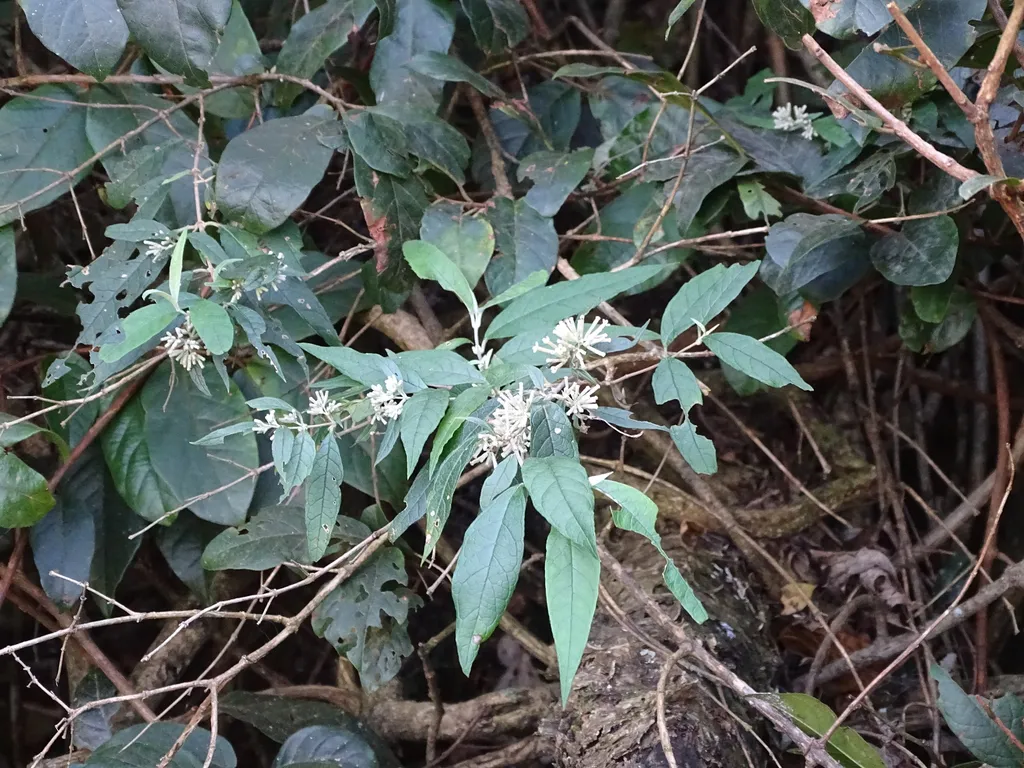
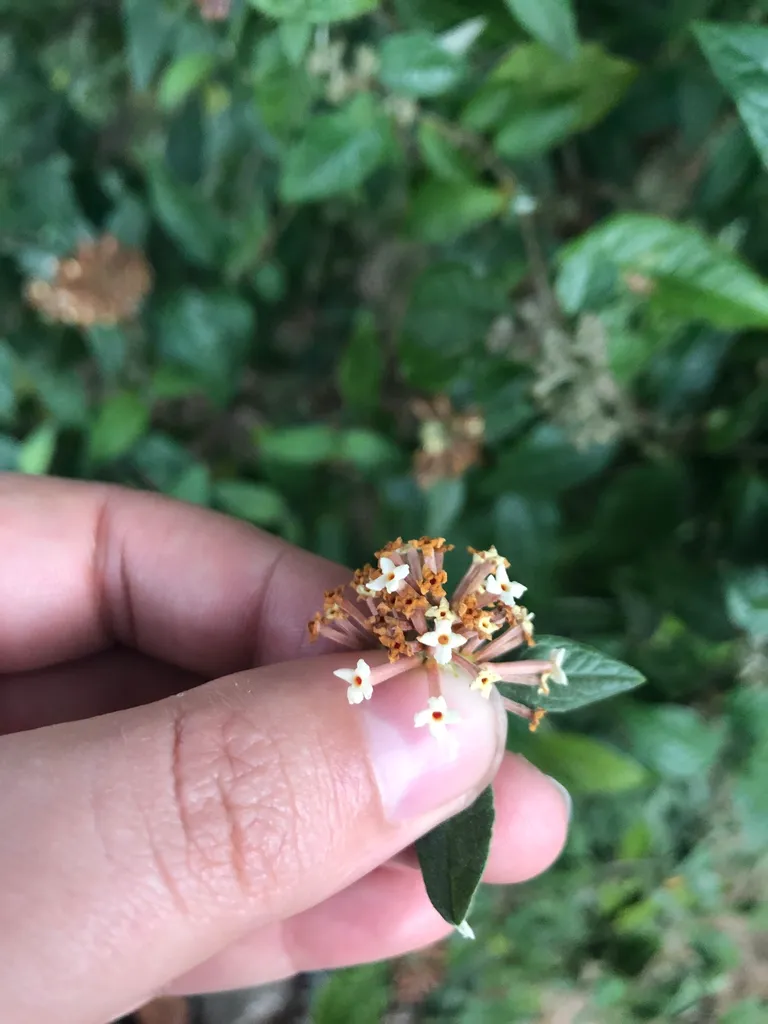
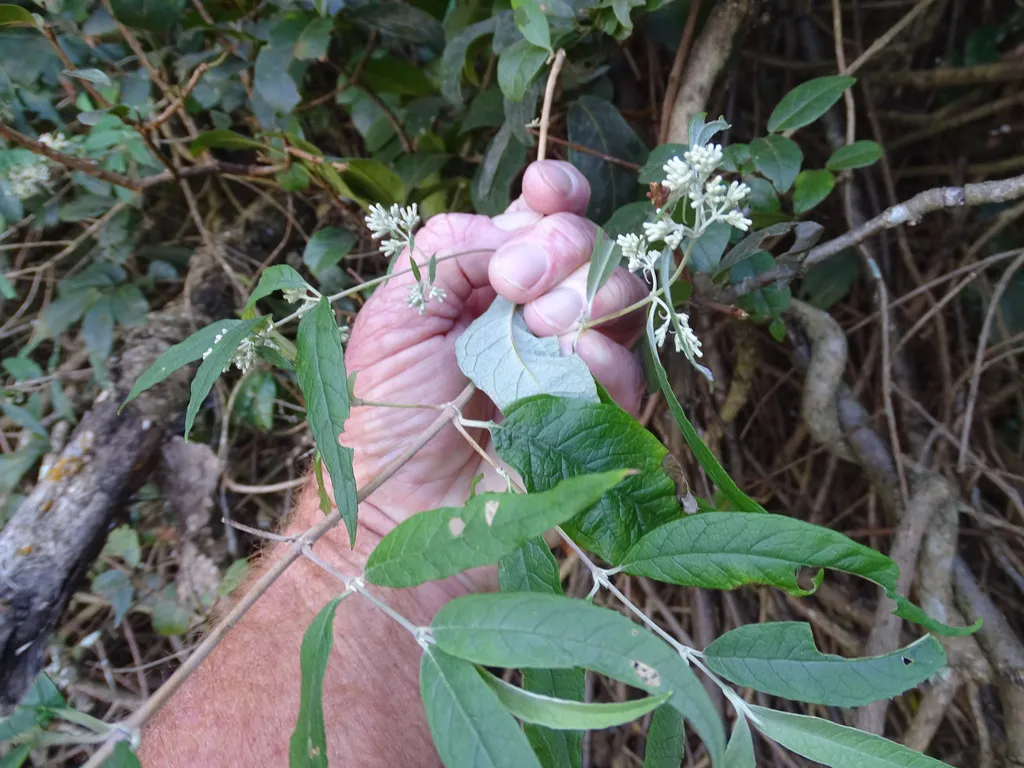
| Care difficulty | 3 / 5 |
|---|---|
| Watering schedule | Moderate regular watering, allowing brief slight drying between soakings |
| Sunlight requirements | Full sun |
| Ideal temperature | Information to be completed |
| Soil type | Chalk · Loam · Sand |
| Soil pH | Acid · Alkaline · Neutral |
| Soil moisture | Well drained |
| Fertilizing | Balanced perennial feed every four weeks from spring through summer |
| Toxicity | Information to be completed |
How to Water weeping sage?
Moderate regular watering, allowing brief slight drying between soakings
Learn more →What Are the Sunlight Requirements for weeping sage?
Full sun
Learn more →What Is the Ideal Temperature Range for weeping sage?

Information to be completed
Learn more →What Soil Is Best for weeping sage?
- Soil type
- Chalk · Loam · Sand
- Soil pH
- Acid · Alkaline · Neutral
What Are the Moisture Requirements for weeping sage?
Well drained
Learn more →How to Fertilize weeping sage?

Balanced perennial feed every four weeks from spring through summer
Learn more →How to Prune weeping sage?

Shorten last year's flowering stems to one or two buds from the older woody framework. Remove thin, weak and dead shoots. Prune in early to mid-spring as growth resumes; avoid winter pruning that exposes new shoots to frost.
Learn more →How to Propagate weeping sage?

Root semi-ripe cuttings in summer
Learn more →How to Transplant weeping sage?
Information to be completed
Learn more →How to Care for weeping sage in Winter?

Information to be completed
Learn more →How to Plant weeping sage?
Needs full sun, well-drained soil and a frost-fee location. Ideal for a large conservatory or greenhouse. See buddleja cultivation for more detailed advice
Learn more →How to Repot weeping sage?
Information to be completed
Learn more →How to Harvest weeping sage?

Information to be completed
Learn more →Common Pests & Diseases

Diseases
May be susceptible to honey fungus, fungal leaf spot, and virus diseases
Pests
May be susceptible to aphids, capsid bugs, caterpillars, earwigs, figwort weevils, glasshouse red spider mite, leaf and bud eelworm, and mullein moth
Explore the plant health library →The Toxicity of weeping sage
Information to be completed