



Planting and Growing butterfly bush

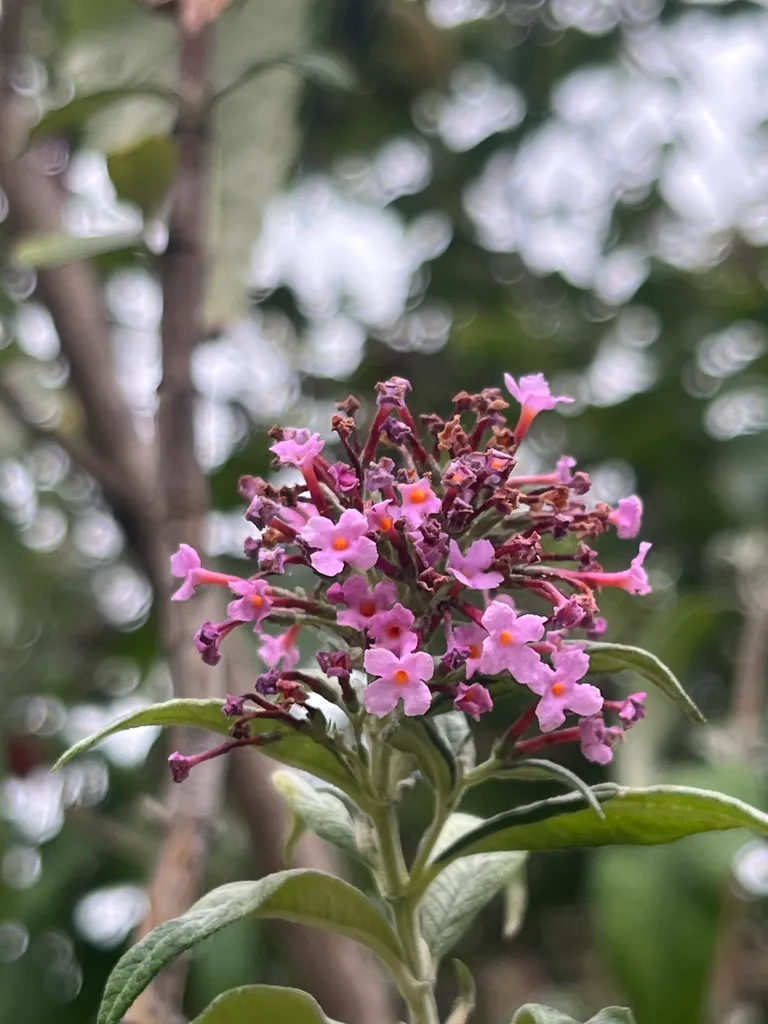
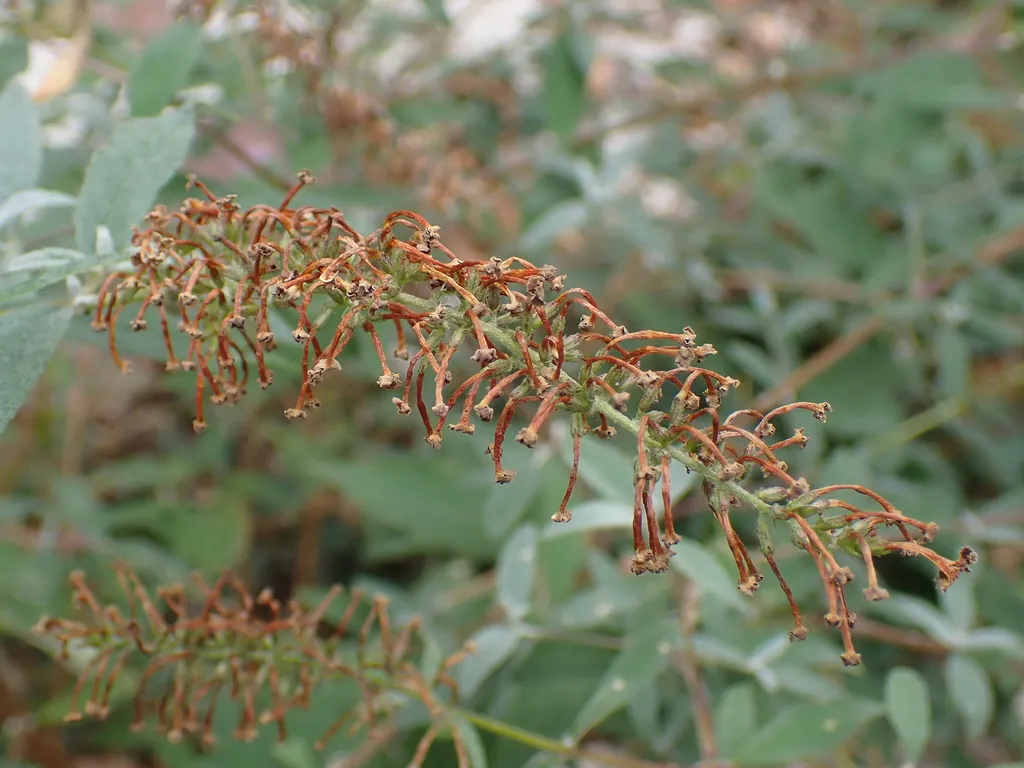
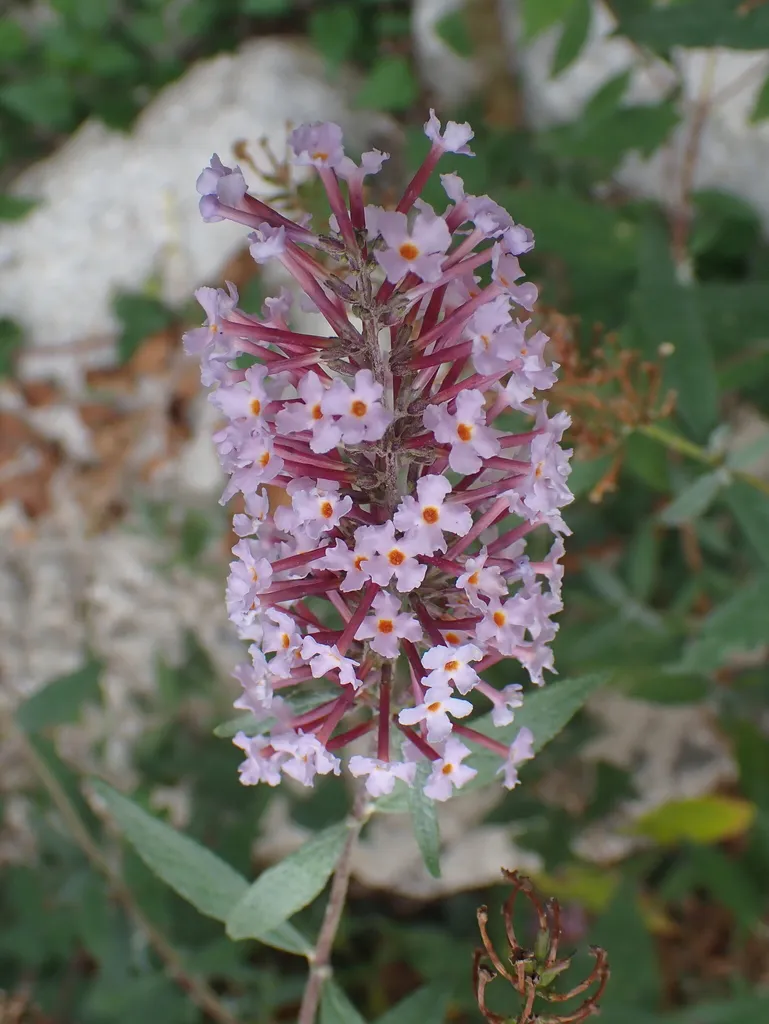
| Care difficulty | 1 / 5 |
|---|---|
| Watering schedule | Moderate regular watering, allowing brief slight drying between soakings |
| Sunlight requirements | Full sun · Partial shade |
| Ideal temperature | 15 – 25 °C |
| Soil type | Chalk · Loam · Sand |
| Soil pH | Acid · Alkaline · Neutral |
| Soil moisture | Well drained |
| Fertilizing | Balanced perennial feed every four weeks from spring through summer |
| Toxicity | Information to be completed |
How to Water butterfly bush?
Thriving in its native habitat of riverbanks and limestone outcrops, butterfly bush has adapted to environments with regular moisture. This species is moderately drought-tolerant but prefers consistent hydration, maintaining a balance that supports its lush growth. Watering should be adjusted to twice a week to mimic the natural conditions it flourishes in. As an outdoor plant often favored for its attractive blooms, butterfly bush requires well-draining soil to prevent root rot during its active growing season.
Learn more →What Are the Sunlight Requirements for butterfly bush?
Butterfly bush thrives best in full sun, requiring at least six hours of direct sunlight daily to foster robust growth and abundant flowering. Though optimally grown under intense sunlight, butterfly bush also shows considerable tolerance to partial sun, where it still performs well but may exhibit reduced bloom density and vigor. The plant adapplies to less than ideal light by slightly adjusting its foliage orientation and leaf density, enhancing its ability to capture light efficiently. For outdoor cultivation, butterfly bush should be planted in open areas where sunlight is unobstructed to maximize its growth potential and ornamental value.
Learn more →What Is the Ideal Temperature Range for butterfly bush?

Butterfly bush shows remarkable resilience to temperature fluctuations, enduring cold as low as -10℃ (14℉) and heat up to 41℃ (106℉). This broad tolerance implies that while butterfly bush can thrive in diverse climates, it might need protection during severe cold or heat waves. Symptoms of stress from low temperatures include frost damage and dieback, while excessive heat might cause wilting and leaf scorch. In cold conditions, mulching and covering the plant can help, whereas during extreme heat, adequate watering and partial shading are essential. Thus, butterfly bush's temperature tolerance significantly impacts its care regimen, ensuring it remains healthy across varying environments.
Learn more →What Soil Is Best for butterfly bush?
Butterfly bush prefers neutral to alkaline soils that are rich in nutrient. It will tolerate alkaline soils of up to 8.5, ideally within the range of 5.5-7.0. It can cope with most types of soil, even chalk, and is able to grow in coastal areas, as it is tolerant of salt. It doesn't like heavy clay.
- Soil type
- Chalk · Loam · Sand
- Soil pH
- Acid · Alkaline · Neutral
What Are the Moisture Requirements for butterfly bush?
Well drained
Learn more →How to Fertilize butterfly bush?

For optimal growth, butterfly bush thrives with regular fertilization, using balanced nutrition fertilizers. Fertilize butterfly bush in early spring and mid-summer to enhance flowering and plant vigor. Apply a granular, slow-release formula at the manufacturer's recommended rate. Fertilizing during these growth stages ensures butterfly bush receives essential nutrients for robust development. Over-fertilization risk can be mitigated by following precise dosage directions. Adjust feeding with the season's progression; less in dormant periods. Practical tip: water butterfly bush post-fertilization to help soil absorption.
Learn more →How to Prune butterfly bush?

Butterfly bush, known for its arching branches and prolific blooms, thrives best with proper pruning. Key techniques include cutting back to ground level in early spring to encourage robust growth and larger flowers. Remove dead or damaged wood regularly to maintain plant health. Pruning in early spring aligns with butterfly bush's growth cycle, promoting vigorous new shoots before the flowering season. Benefits include improved air circulation and reduced risk of pests and diseases, enhancing overall plant vigor and bloom quality.
Learn more →How to Propagate butterfly bush?

Butterfly bush is a fast-growing, deciduous shrub recognized for its ability to attract butterflies with dense clusters of fragrant flowers. When propagating butterfly bush, cuttings are most effective when taken from new growth. Ensure cuttings have at least a couple of leaves for photosynthesis and trim just below a leaf node for better rooting. Use rooting hormone to enhance success and insert the cutting into a well-draining potting mix. Consistent moisture and warmth are key, so maintain damp soil and use a plastic cover to create a greenhouse effect until roots develop.
Learn more →How to Transplant butterfly bush?
The ideal time to transplant butterfly bush is in autumn or early spring. The plant requires well-draining soil and partial to full sun exposure. Adequate water is essential, particularly after transplanting, to promote root establishment.
Learn more →How to Care for butterfly bush in Winter?

Butterfly bush originates from Central China, molded by a temperate climate with cold, frosty winters. Its natural adaptation includes semi-deciduous behavior, shedding leaves to conserve energy in low temperatures. For winter care, gardeners should consider insulating the root zone and reducing watering. Pruning is best delayed until the return of warmer spring weather. In more severe climates, the plant may require additional protection, such as mulching or winter wraps.
Learn more →How to Plant butterfly bush?
Indoors-potted: Ensure butterfly bush has room to grow indoors; this vigorous shrub can reach large sizes, so prune regularly to maintain its shape. Outdoors-potted: Butterfly bush's prolific blooming requires frequent fertilization when potted outdoors to sustain its vibrant flower display. Outdoors-in the ground: In-ground planting of butterfly bush necessitates ample space, as it tends to spread and dominate garden areas if not properly managed.
Learn more →How to Repot butterfly bush?
Best repotted every 2-3 years, butterfly bush thrives when given fresh soil to accommodate its growth as a sizable bush. Aim for early spring before peak growth. Upsize containers to ensure adequate root space. Post-repot, avoid overwatering and provide plenty of sunlight for this semi-hardy specimen to ensure a successful transition.
Learn more →How to Harvest butterfly bush?

Butterfly bush can be used as cut flowers. It has a honey-like fragrance. Cutting the flowers also encourages the plant to produce more blossoms.
Learn more →Common Pests & Diseases

Diseases
May be susceptible to honey fungus, fungal leaf spot, and virus diseases
Pests
May be susceptible to aphids, capsid bugs, caterpillars, earwigs, figwort weevils, glasshouse red spider mite, leaf and bud eelworm, and mullein moth
Explore the plant health library →The Toxicity of butterfly bush
Information to be completed