



Planting and Growing marigold 'Apricot Pygmy'

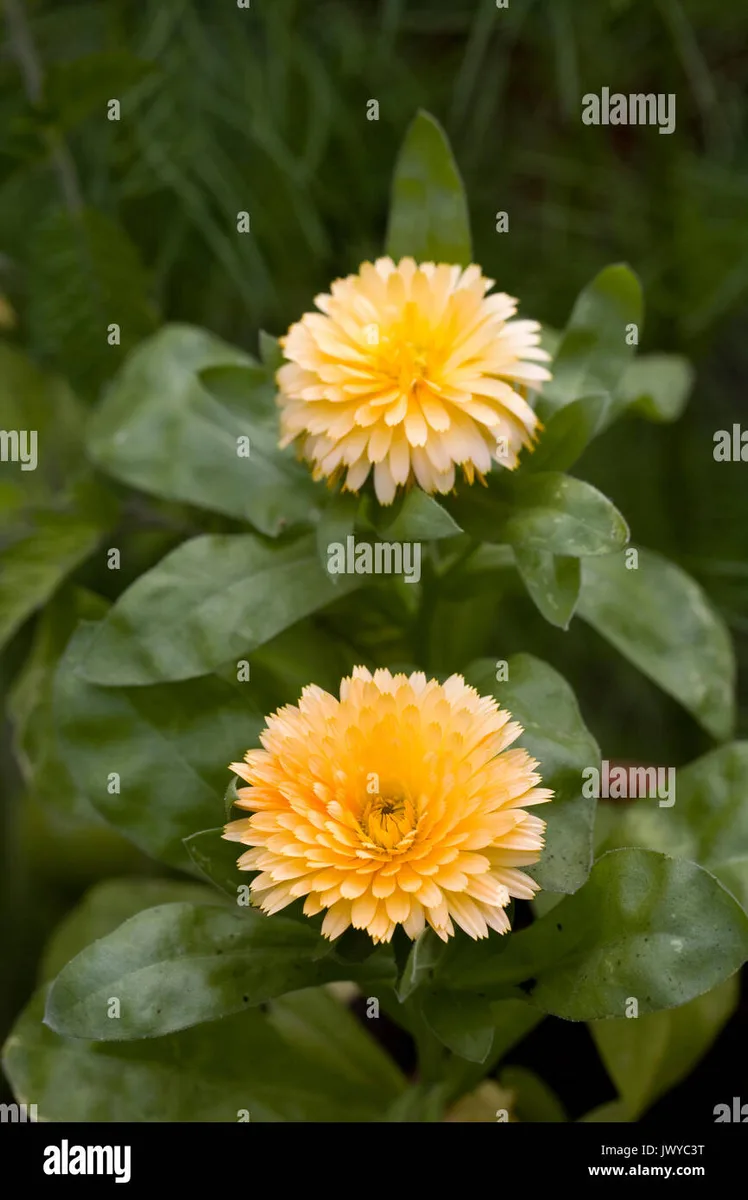
| Care difficulty | 2 / 5 |
|---|---|
| Watering schedule | Moderate watering, allow top layer of soil to dry between soaks |
| Sunlight requirements | Full sun · Partial shade |
| Ideal temperature | Information to be completed |
| Soil type | Chalk · Loam · Sand |
| Soil pH | Acid · Alkaline · Neutral |
| Soil moisture | Well drained |
| Fertilizing | Diluted general flower feed monthly spring and summer growth |
| Toxicity | Information to be completed |
How to Water marigold 'Apricot Pygmy'?
Moderate watering, allow top layer of soil to dry between soaks
Learn more →What Are the Sunlight Requirements for marigold 'Apricot Pygmy'?
Full sun · Partial shade
Learn more →What Soil Is Best for marigold 'Apricot Pygmy'?
- Soil type
- Chalk · Loam · Sand
- Soil pH
- Acid · Alkaline · Neutral
What Are the Moisture Requirements for marigold 'Apricot Pygmy'?
Well drained
Learn more →How to Fertilize marigold 'Apricot Pygmy'?

Diluted general flower feed monthly spring and summer growth
Learn more →How to Prune marigold 'Apricot Pygmy'?

Deadhead regularly; cut back after flowering
Learn more →How to Propagate marigold 'Apricot Pygmy'?

Propagate by seed sown in situ in spring or autumn
Learn more →How to Plant marigold 'Apricot Pygmy'?
Grow in a light, poor to moderately fertile, free-draining soil in full sun or partial shade. Deadhead regularly to prolong flowering and pinch out terminal shoots to encourage bushy growth. Good for cut flowers
Learn more →Common Pests & Diseases

Diseases
May be susceptible to powdery mildews and a virus
Pests
May be susceptible to aphids
Explore the plant health library →