



Planting and Growing Calendula officinalis 'Apricots And Oranges'

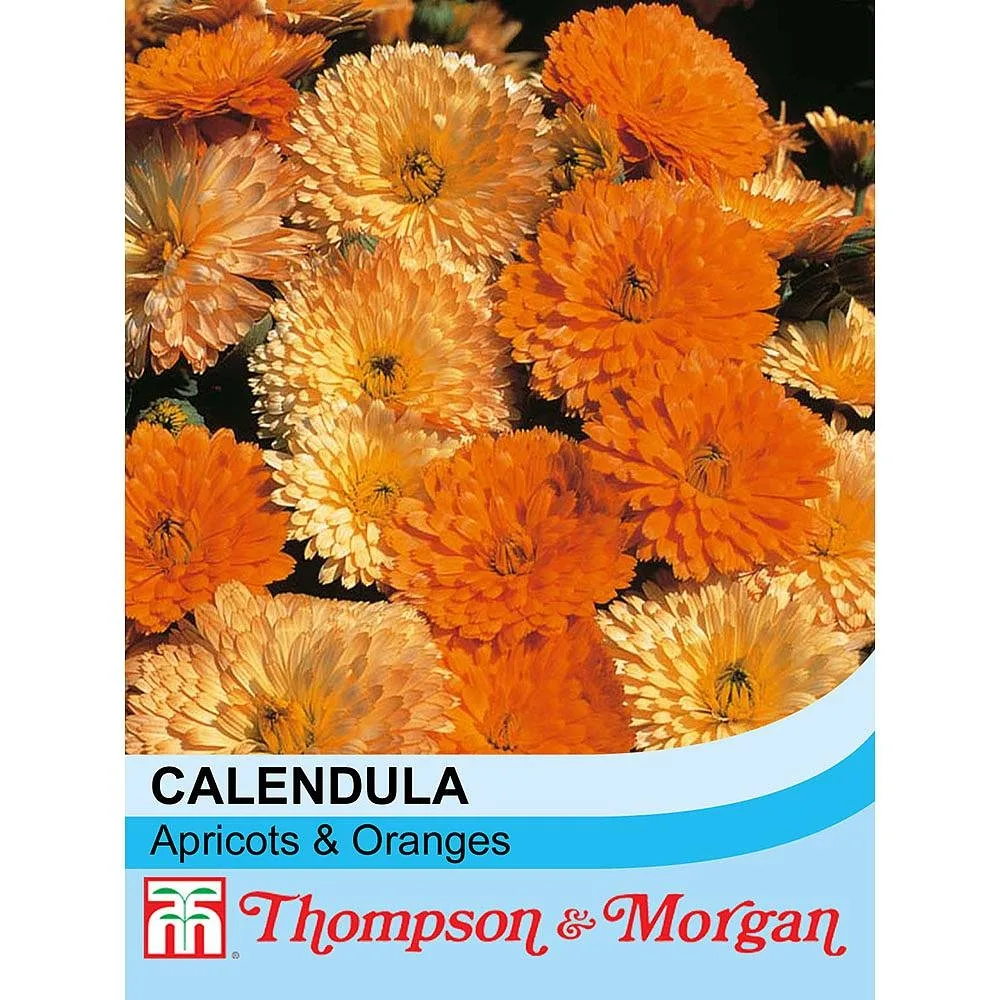
| Care difficulty | 2 / 5 |
|---|---|
| Watering schedule | Moderate steady moisture, tolerate minor short dryness well |
| Sunlight requirements | Full sun · Partial shade |
| Ideal temperature | Information to be completed |
| Soil type | Loam · Sand · Chalk |
| Soil pH | Acid · Alkaline · Neutral |
| Soil moisture | Well drained |
| Fertilizing | General flowering annual liquid feed every two weeks growing time |
| Toxicity | Information to be completed |
How to Water Calendula officinalis 'Apricots And Oranges'?
Moderate steady moisture, tolerate minor short dryness well
Learn more →What Are the Sunlight Requirements for Calendula officinalis 'Apricots And Oranges'?
Full sun · Partial shade
Learn more →What Soil Is Best for Calendula officinalis 'Apricots And Oranges'?
- Soil type
- Loam · Sand · Chalk
- Soil pH
- Acid · Alkaline · Neutral
What Are the Moisture Requirements for Calendula officinalis 'Apricots And Oranges'?
Well drained
Learn more →How to Fertilize Calendula officinalis 'Apricots And Oranges'?

General flowering annual liquid feed every two weeks growing time
Learn more →How to Prune Calendula officinalis 'Apricots And Oranges'?

Regularly deadhead to extend flowering. Cut back to ground level after flowering
Learn more →How to Propagate Calendula officinalis 'Apricots And Oranges'?

Propagate by seed sown in situ in Spring or Autumn
Learn more →How to Plant Calendula officinalis 'Apricots And Oranges'?
Grow in well drained soil in ful sun. Sow direct in spring, 0.5cm deep into finely prepared soil, thin to 23cm apart. For a continuous display, sow at two to three weekly intervals. Autumn sowings will flower the following year. Deadhead regularly and pinch out terminal shoots to encourage bushy growth
Learn more →Common Pests & Diseases

Diseases
May be susceptible to powdery mildews and a virus
Pests
May be susceptible to aphids
Explore the plant health library →