



Planting and Growing flowering rush

| Care difficulty | 2 / 5 |
|---|---|
| Watering schedule | Moderate regular watering, allowing brief slight drying between soakings |
| Sunlight requirements | Full sun |
| Ideal temperature | 15 – 25 °C |
| Soil type | Clay · Loam · Sand |
| Soil pH | Acid · Alkaline · Neutral |
| Soil moisture | Poorly drained |
| Fertilizing | Balanced perennial feed every four weeks from spring through summer |
| Toxicity | Information to be completed |
How to Water flowering rush?
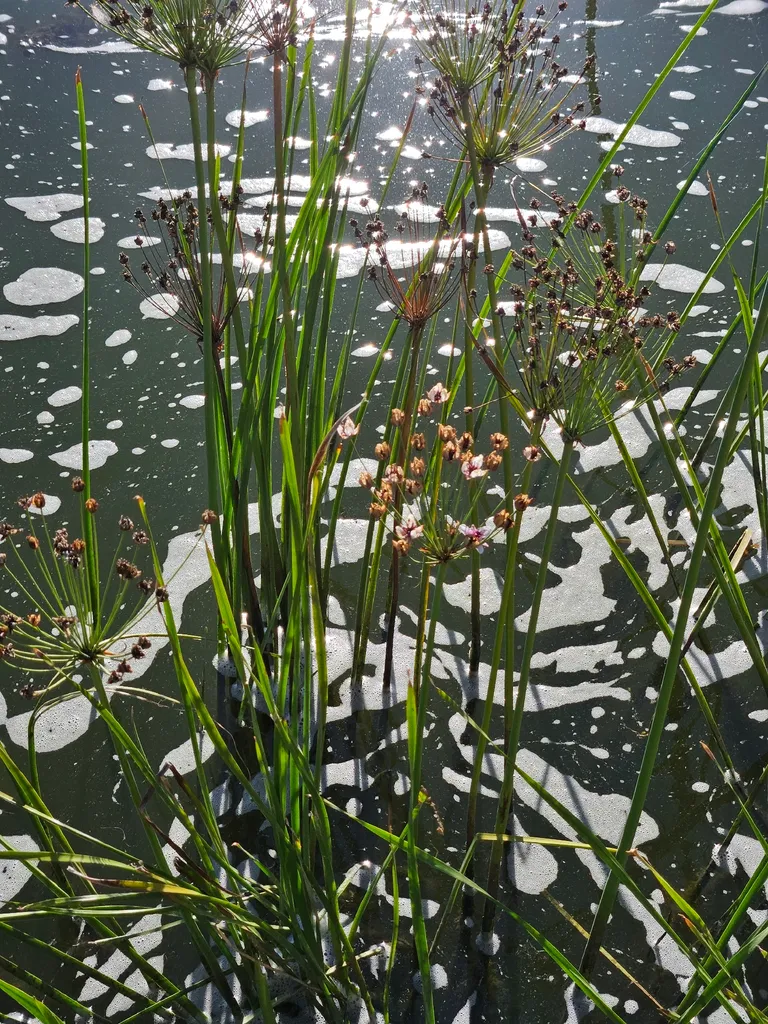
Adapted to its aquatic native habitat, flowering rush thrives in standing or slow-moving water and requires consistent moisture to flourish. This species is accustomed to high humidity levels and has a low drought tolerance, necessitating a watering schedule of once every day. Flowering rush is predominantly an outdoor plant that aligns with its preference for wetland conditions. Its growth cycle is closely tied to water availability, flourishing when the roots are submerged or in saturated soil.
Learn more →What Are the Sunlight Requirements for flowering rush?
Flowering rush thrives in full sun conditions where it can receive unfiltered sunlight for at least 6 hours per day. This optimal exposure significantly influences flowering rush's growth and blooming potential, encouraging robust development and health. Though flowering rush tolerates partial sun, receiving less intense light for fewer hours may lead to diminished flowering and vigor. Given that flowering rush is not typically an indoor plant, the best outdoor planting position would be in open areas away from significant shade to ensure adequate light. In environments with fluctuating light levels, flowering rush can exhibit some adaptability by adjusting leaf orientation to capture sunlight.
Learn more →What Is the Ideal Temperature Range for flowering rush?

Flowering rush demonstrates significant resilience to temperature variations. It can tolerate cold temperatures as low as 5℃ (41℉) and endure heat up to 41℃ (106℉). Such temperature tolerance implies that while flowering rush can thrive in a variety of climates, it still requires protective measures during extreme weather events. Symptoms of cold stress include wilting and discoloration, while heat stress may show as scorched leaves. To counteract overcooling, use insulating mulch or coverings; for overheating, ensure proper watering and shading. These strategies ensure flowering rush remains healthy and vibrant even under adverse conditions.
Learn more →What Soil Is Best for flowering rush?
Flowering rush prefers soil with good aeration and moderate drainage. A mix of garden soil and compost works well; use 2 parts garden soil to 1 part compost. Ensure proper drainage by adding a layer of gravel at the bottom of the planting container. Fertilize monthly with a balanced, water-soluble fertilizer during the growing season to support healthy growth. Avoid water-logging by ensuring excess water can escape.
- Soil type
- Clay · Loam · Sand
- Soil pH
- Acid · Alkaline · Neutral
What Are the Moisture Requirements for flowering rush?
Poorly drained
Learn more →How to Fertilize flowering rush?

For optimal growth, fertilize flowering rush in spring with high-nitrogen granular fertilizer to boost vigorous growth and vibrant blooms. Apply a balanced, slow-release variant every 6-8 weeks during growing season, following package instructions for the amount. Overfertilization can lead to poor flowering; monitor growth responses to adjust feeding. In winter, cease fertilization to allow flowering rush to rest. Use gloves to prevent skin irritation. This tailored regimen will ensure flowering rush thrives and flourishes in its aquatic environment.
Learn more →How to Prune flowering rush?

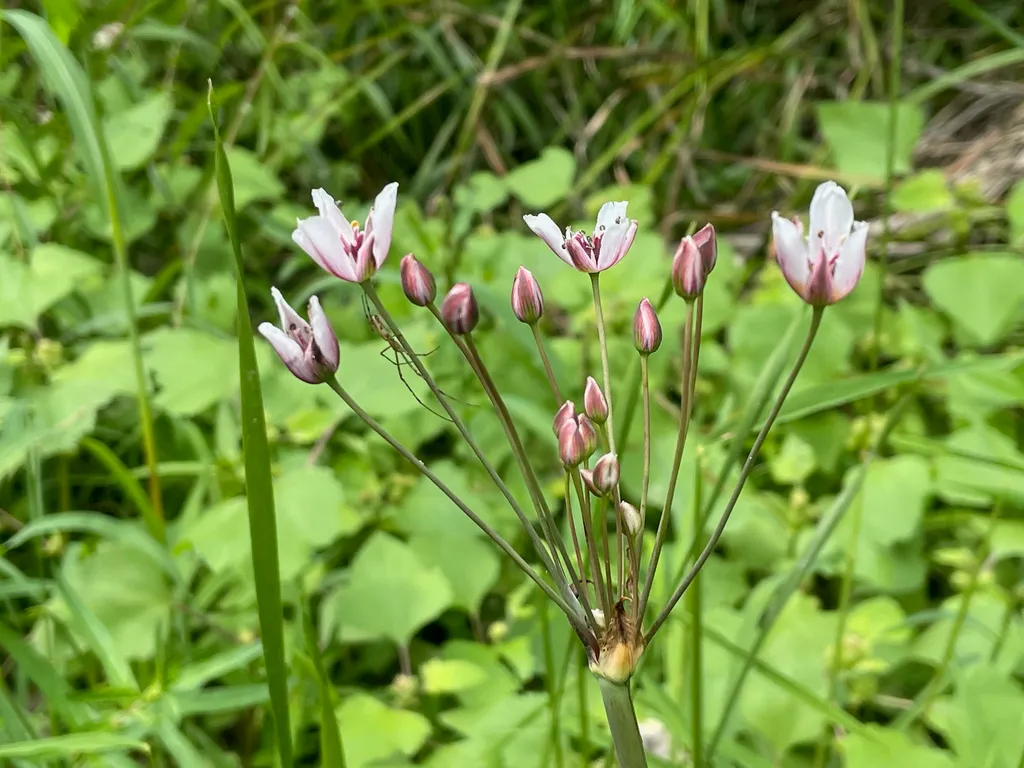
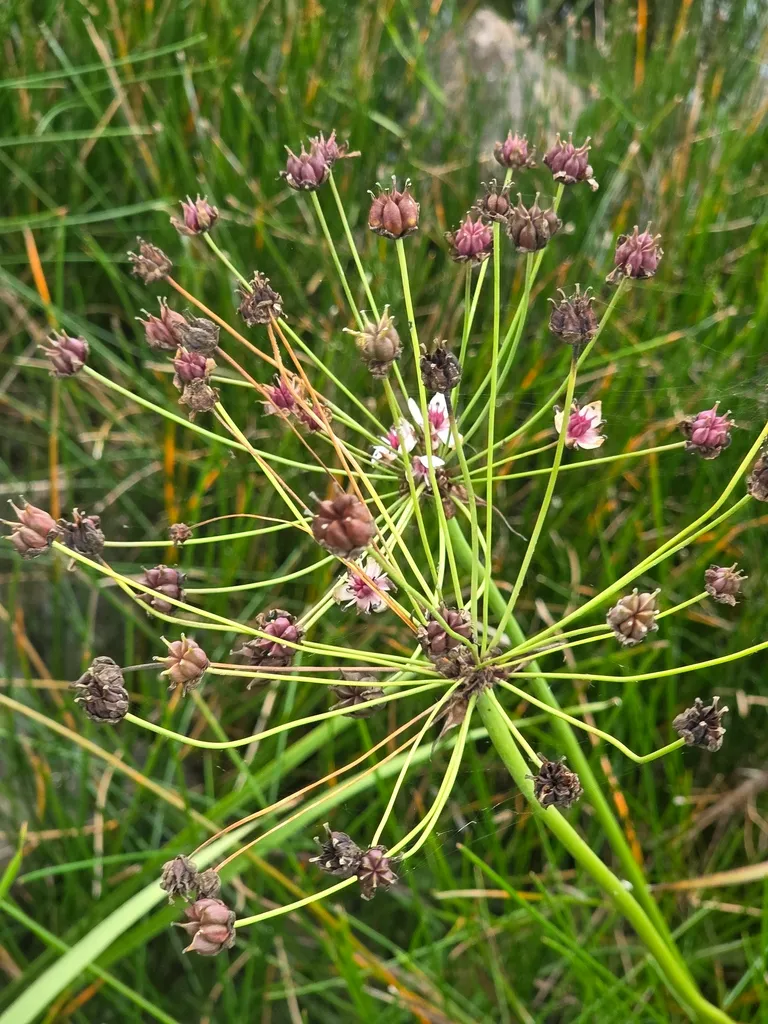
Flowering rush is a versatile, ornamental aquatic plant known for its umbrella-shaped flower clusters. Prune in early to late spring to manage its growth and promote healthy flowering. Remove dead or damaged foliage and spent flower stems close to the base. This helps prevent overcrowding and encourages new growth. Avoid heavy pruning which can stress the plant. Regular pruning enhances water circulation around the base, benefiting its overall health and vigor.
Learn more →How to Propagate flowering rush?

A water-margin perennial, flowering rush spreads through division. Gardeners should separate crowded clumps during dormancy, handling its fibrous rhizomes with care to preserve root integrity. The sections should have sufficient root parts and at least one growing point. After division, replant promptly in wet soil or shallow water, ensuring the newly divided sections are firmly anchored to prevent dislodgment. Regularly monitor for stable growth and control spreading, as flowering rush can become invasive.
Learn more →How to Transplant flowering rush?
The best time to transplant flowering rush is during the gentle warmth of late spring to mid-summer, which encourages root establishment. Choose sunny, moist locations. For successful transplantation, ensure soil richness and water accessibility.
Learn more →How to Plant flowering rush?
Grow in fertile mud at pond margins or in water up to 25cm deep, in full sun
Learn more →How to Repot flowering rush?
Flowering rush, a waterside perennial, typically requires repotting every 2-3 years to sustain its vigorous growth. Early spring repotting aligns with active growth phases, allowing for prompt recovery. Use larger containers to accommodate expansive roots. Post-repotting, ensure aquatic conditions are maintained, giving flowering rush ample hydration for successful reestablishment. Precise care induces healthy flowering and robust structure, making flowering rush a charming aquatic display.
Learn more →Common Pests & Diseases

Diseases
Generally disease free
Pests
Can get water lily aphid
Explore the plant health library →Troubleshooting
Yellowing Foliage in Dry Margins or Invasive Pond Overgrowth
Flowering rush (Butomus umbellatus) is an emergent aquatic perennial that requires shallow standing water or saturated pond-margin mud in full sun, and spreads rapidly via brittle rhizomes.
| What you notice | Possible explanation | What to check next |
|---|---|---|
| Strap-like leaves turn yellow and brown at the tips while pond water level has receded | Drought stress when roots or rhizomes dry out above the waterline | Check water depth over the crown (ideal up to 25 cm / 10 inches) and soil saturation |
| Dense clumps crowd out neighboring pond plants or spread downstream via broken rhizome pieces | Vigorous vegetative spread from rhizomes and bulbils | Inspect whether plants are grown in solid-walled aquatic baskets or unconfined mud |
- Plant in heavy, fertile loam in solid-walled aquatic containers submerged in up to 25 cm (10 inches) of water or in constantly saturated bog margins in full sun.
- Divide congested clumps in spring every 2–3 years and contain rhizome fragments carefully so they do not escape into natural waterways.
- Cut back dead foliage and spent flower stems after flowering or in early spring.
Check local invasive-species regulations before planting Butomus umbellatus in open ponds or wetlands.
Sparse Flowering or Water-Lily Aphids
Insufficient direct sun reduces umbels of rosy-pink summer blooms, while emergent stems may host water-lily aphids.
| What you notice | Possible explanation | What to check next |
|---|---|---|
| Healthy grassy leaves with few or no summer flower stalks | Too much shade from overhanging trees or overly deep water (>30 cm) | Assess daily direct sun hours and water depth over the rhizome |
| Clusters of dark aphids feeding on emergent leaves and flower stems | Water-lily aphids (Rhopalosiphum nymphaeae) | Inspect upper stems and flower buds closely |
- Move containers into full sun (at least 6 hours daily) in shallow water.
- Dislodge aphids into the water with a gentle jet from a hose so fish or natural predators feed on them—never apply chemical insecticides to fish ponds.
- Feed container-grown aquatic plants in spring with slow-release aquatic fertilizer tablets pressed into the soil.
Never use synthetic garden pesticides in or near ponds containing fish, amphibians, or beneficial aquatic insects.