



Planting and Growing evergreen wood fern

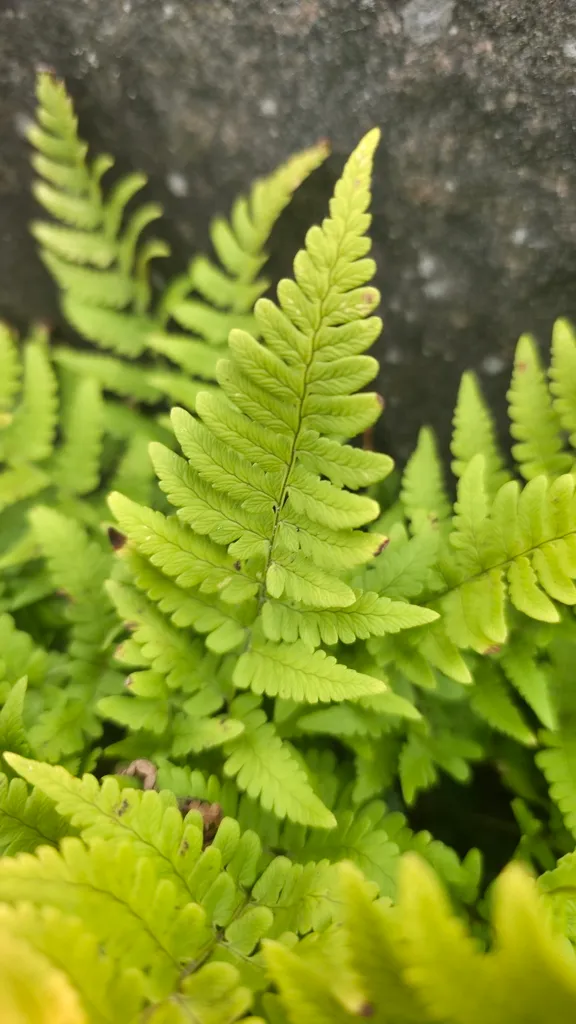
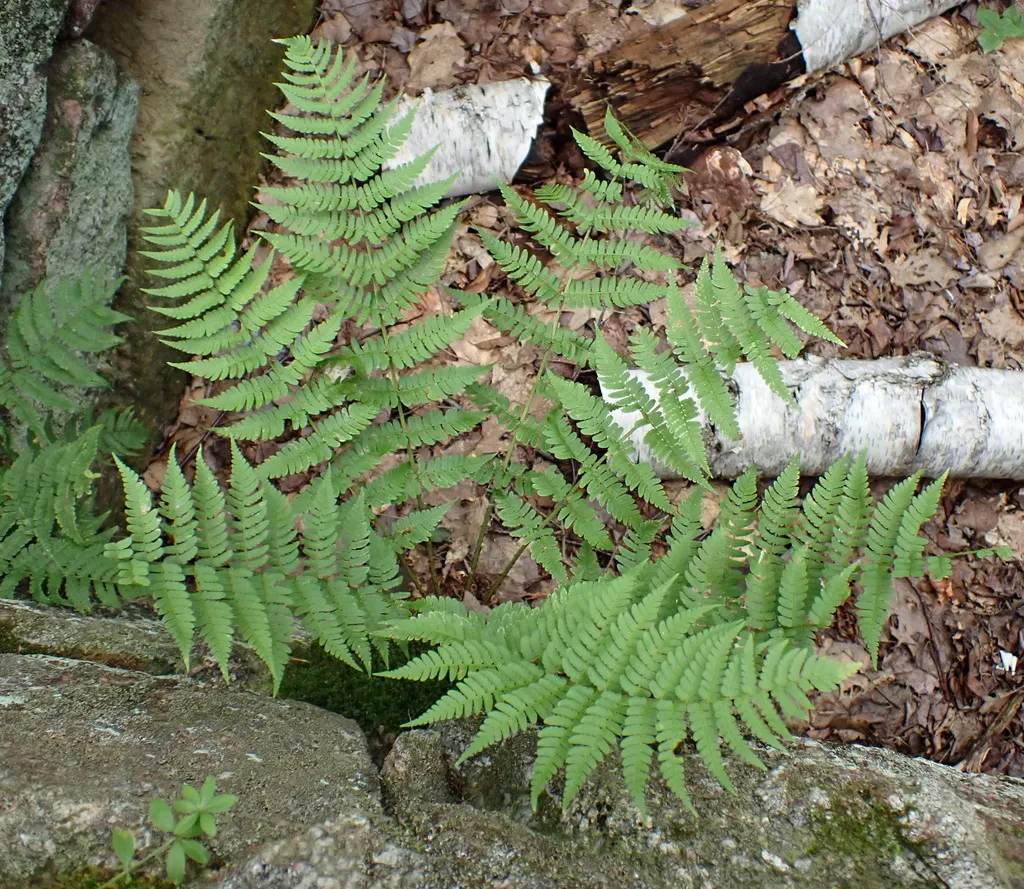
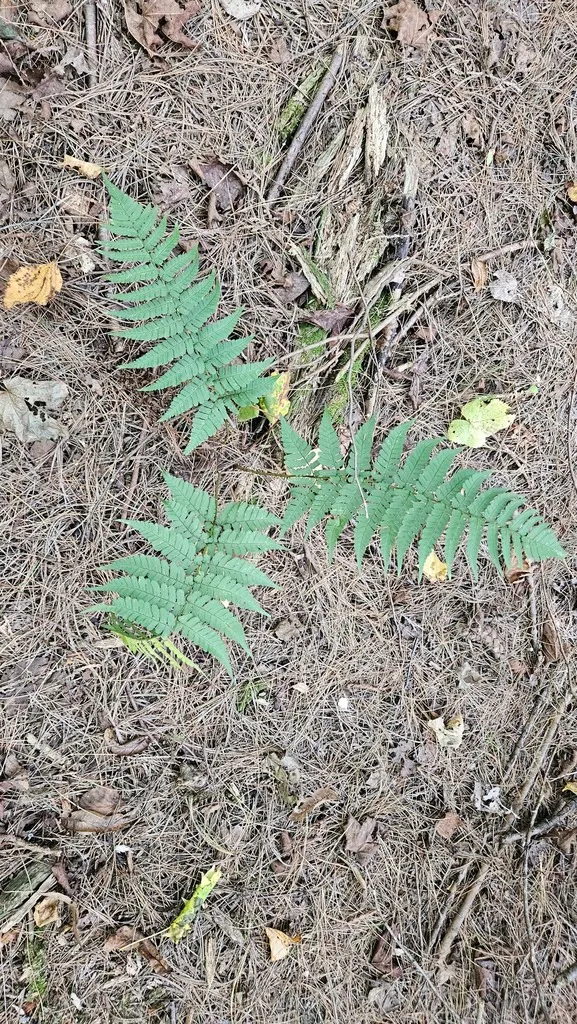
| Care difficulty | 2 / 5 |
|---|---|
| Watering schedule | Keep soil evenly moist with higher air humidity |
| Sunlight requirements | Full shade · Partial shade |
| Ideal temperature | 15 – 25 °C |
| Soil type | Loam · Clay |
| Soil pH | Neutral · Acid |
| Soil moisture | Moist but well drained |
| Fertilizing | Weak balanced feed during active frond growth |
| Toxicity | Information to be completed |
How to Water evergreen wood fern?
Marginal wood fern is a plant that thrives in humid environments, drawing much of its moisture from the ambient air. Its native habitat is often shaded and moist, suggesting a preference for damp conditions. However, it exhibits relative balance in terms of water requirements, not needing excessive watering. The ideal watering schedule for this plant is once every week. Being an evergreen fern, marginal wood fern retains its foliage year-round and thus requires consistent hydration to maintain its lush appearance.
Learn more →What Are the Sunlight Requirements for evergreen wood fern?
Marginal wood fern thrives in environments with partial sun, enjoying the dappled light that passes through the canopy in its natural woodland setting. This level of light is not only ideal for marginal wood fern's energy needs but also prevents the scorching that can occur in more intense sunlight. While marginal wood fern is tolerant of full shade, prolonged absence of adequate light can lead to suboptimal growth and a reduction in the plant's vigor. With an innate resilience, marginal wood fern adapts to lower light by maintaining a robust, verdant frond structure. For outdoor planting, marginal wood fern is best positioned in spots that mimic its native habitat, with light that is filtered rather than direct.
Learn more →What Is the Ideal Temperature Range for evergreen wood fern?

Marginal wood fern is notably resilient to temperature fluctuations, thriving in both cold and heat. It can withstand frigid conditions down to -25℃ (-13℉) and endure heat up to 38℃ (100℉). This broad temperature tolerance makes it highly adaptable, though care must be taken during extreme weather. In cold snaps, signs of damage include browning fronds and stunted growth, while extreme heat may cause wilting and scorching. Protective measures such as mulching in winter and providing ample water and shade in summer are essential to maintain its health. Thus, marginal wood fern suits a variety of environments but requires vigilance during seasonal extremes.
Learn more →What Soil Is Best for evergreen wood fern?
- Soil type
- Loam · Clay
- Soil pH
- Neutral · Acid
What Are the Moisture Requirements for evergreen wood fern?
Moist but well drained
Learn more →How to Fertilize evergreen wood fern?

For marginal wood fern, apply a balanced fertilizer sparingly in spring, respecting the delicate nature of its roots. Fertilization supports robust frond development and sustains health. Seasonal adjustments are paramount: cease feeding by late summer to prevent new growth that could be damaged by frost. Use granular, slow-release fertilizers for controlled nourishment. Overfeeding can harm marginal wood fern, so always err on the side of under-fertilization, and ensure even distribution to avoid root burn. Novices should follow product instructions carefully, while experienced gardeners might prefer a diluted liquid fertilizer for precise application.
Learn more →How to Prune evergreen wood fern?

Marginal wood fern, with its evergreen fronds and distinctive marginal sori, benefits from annual pruning. The optimal time for pruning is early to later spring, coinciding with the plant's new growth. Remove old, damaged, or diseased fronds at the base to encourage healthy development and improve airflow. Regular pruning prevents overcrowding and maintains the plant’s aesthetic appeal. Always use clean, sharp tools to avoid introducing diseases.
Learn more →How to Propagate evergreen wood fern?

A popular fern for shaded gardens, marginal wood fern thrives when propagated by division, which entails separating the dense clump into smaller sections. Care should be taken to ensure that each new section contains a portion of the root system and at least one growing frond. Best conducted in moist, well-draining soil, the commitment to maintaining a consistent moisture level post-division supports robust root establishment. Gentle handling during the division process preserves the delicate fronds and roots, setting the stage for successful regeneration.
Learn more →How to Transplant evergreen wood fern?
For marginal wood fern, the prime transplanting window is the cusp of verdant growth, typically between late spring and early summer, ensuring roots establish pre-dormancy. Choose shady locales with moist soil. Tending to moisture levels post-transplant is essential for acclimatization.
Learn more →How to Care for evergreen wood fern in Winter?

Information to be completed
Learn more →How to Plant evergreen wood fern?
Prefers a reasonably fertile, humus-rich, moist but well drained, neutral to acid soil in partial to full shade. Best with protection from strong wind. For more information see our advice page how to grow ferns
Learn more →How to Repot evergreen wood fern?
Information to be completed
Learn more →How to Harvest evergreen wood fern?

Information to be completed
Learn more →Common Pests & Diseases

Diseases
Generally disease-free
Pests
Generally pest-free
Explore the plant health library →The Toxicity of evergreen wood fern
Information to be completed