



Planting and Growing Iris 'Baby Sister'

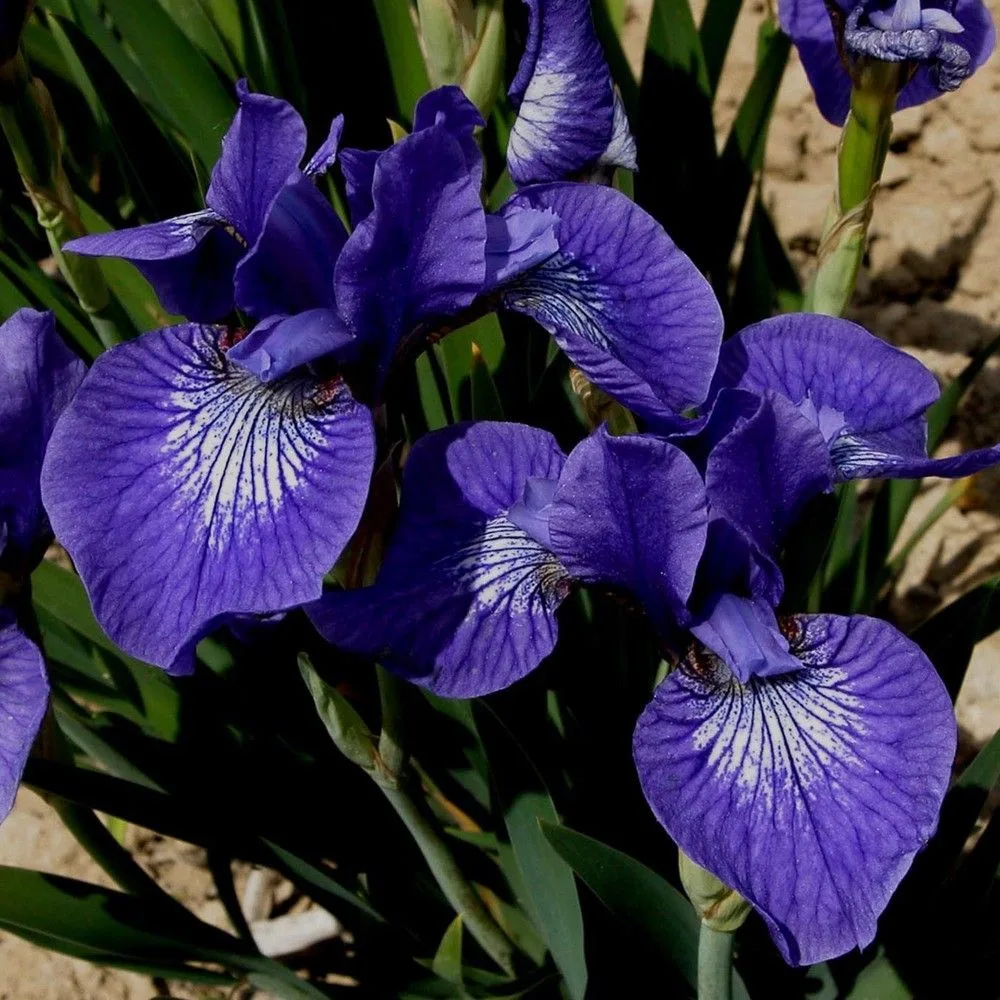
| Care difficulty | 2 / 5 |
|---|---|
| Watering schedule | Water moderately, let surface dry slightly between irrigations |
| Sunlight requirements | Full sun |
| Ideal temperature | Information to be completed |
| Soil type | Loam · Sand |
| Soil pH | Neutral · Acid |
| Soil moisture | Moist but well drained |
| Fertilizing | Low nitrogen feed in spring before and after bloom |
| Toxicity | Harmful if eaten. Wear gloves and other protective equipment when handling |
How to Water Iris 'Baby Sister'?
Water moderately, let surface dry slightly between irrigations
Learn more →What Are the Sunlight Requirements for Iris 'Baby Sister'?
Full sun
Learn more →What Soil Is Best for Iris 'Baby Sister'?
- Soil type
- Loam · Sand
- Soil pH
- Neutral · Acid
What Are the Moisture Requirements for Iris 'Baby Sister'?
Moist but well drained
Learn more →How to Fertilize Iris 'Baby Sister'?

Low nitrogen feed in spring before and after bloom
Learn more →How to Prune Iris 'Baby Sister'?

Remove spent flower stems after flowering, and any dying foliage in autumn
Learn more →How to Propagate Iris 'Baby Sister'?

Propagate by division, see dividing irises for more detailed advice
Learn more →How to Plant Iris 'Baby Sister'?
Thrives in a sunny position, in moist but well-drained, ideally neutral to slightly acid soil. Will tolerate some dappled shade, though they flower best in full sun. Divide every three to five years to maintain vigour. See bearded iris cultivation for more detailed advice
Learn more →Common Pests & Diseases

Diseases
May be susceptible to aphid-borne viruses, bacterial soft rot and grey moulds; see Iris diseases
Pests
May be susceptible to aphids, slugs, snails and thrips
Explore the plant health library →The Toxicity of Iris 'Baby Sister'
Harmful if eaten. Wear gloves and other protective equipment when handling