



Planting and Growing bleeding heart vine

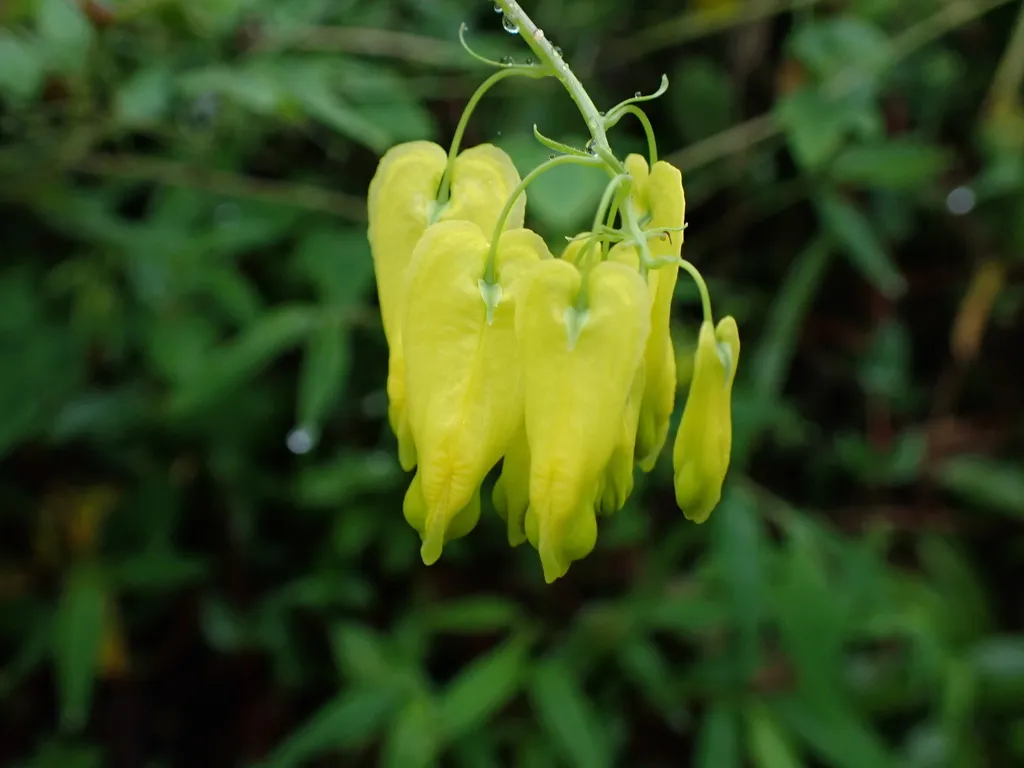
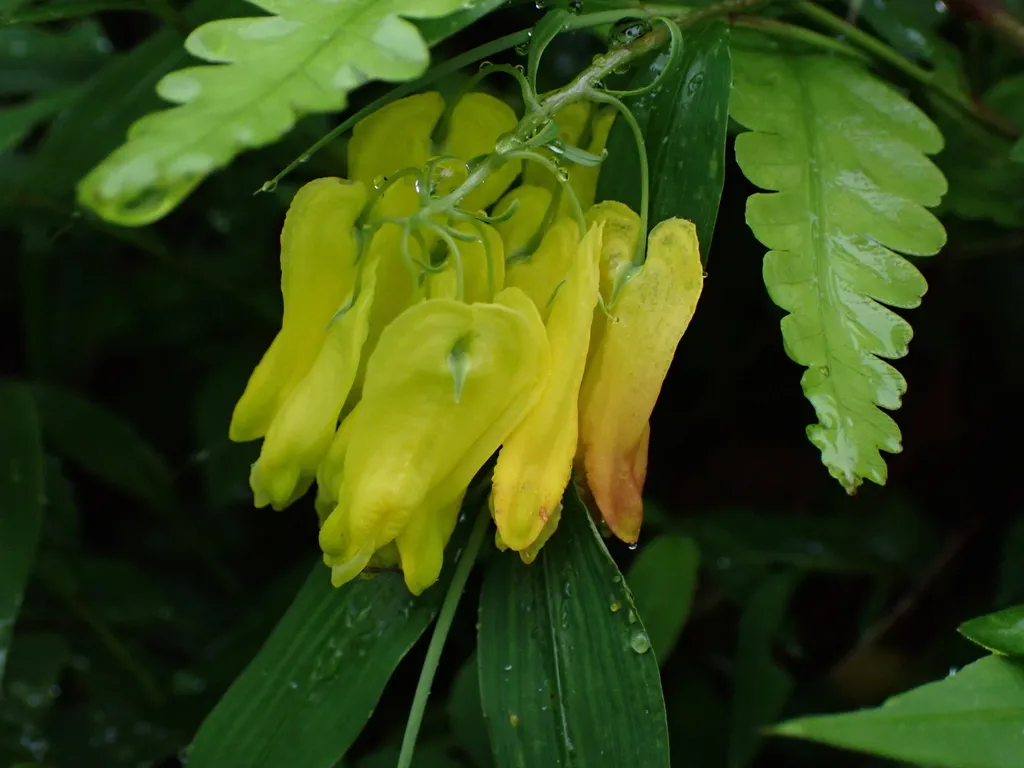
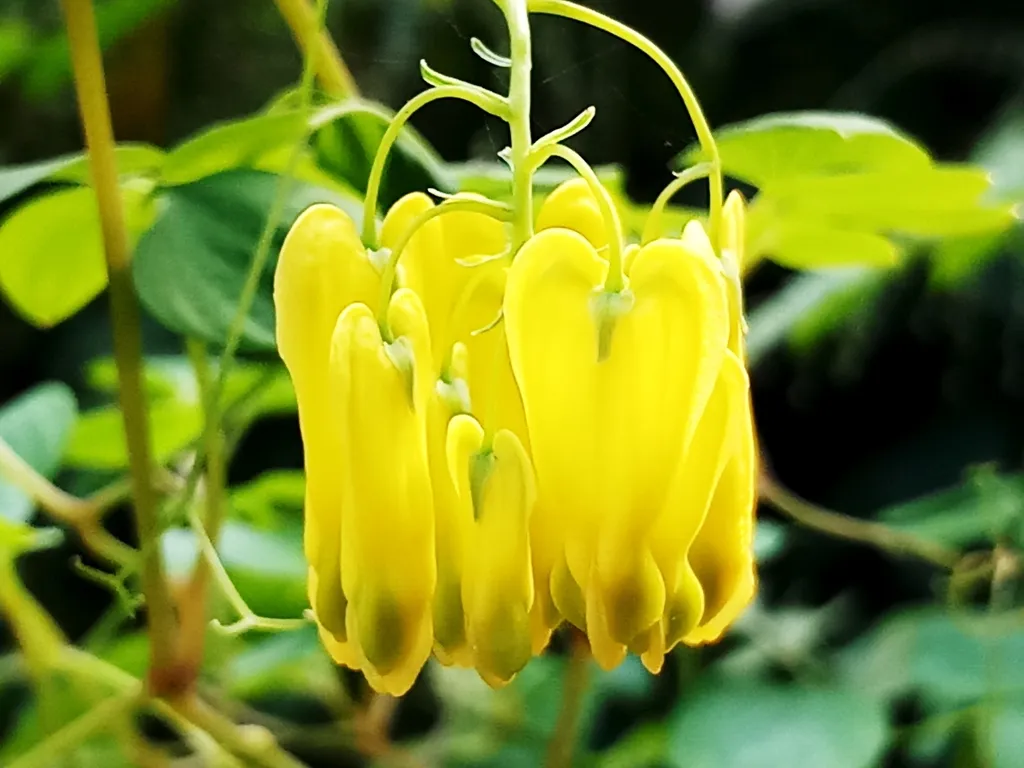
| Care difficulty | 3 / 5 |
|---|---|
| Watering schedule | Moderate regular watering, avoid prolonged drought or waterlogging |
| Sunlight requirements | Partial shade |
| Ideal temperature | Information to be completed |
| Soil type | Loam · Sand |
| Soil pH | Acid · Neutral |
| Soil moisture | Moist but well drained |
| Fertilizing | Balanced feed in spring and light repeat in growth season |
| Toxicity | Can cause stomach upset if ingested and contact with foliage may aggravate skin allergies. Wear gloves and other protective equipment when handling |
How to Water bleeding heart vine?
Moderate regular watering, avoid prolonged drought or waterlogging
Learn more →What Are the Sunlight Requirements for bleeding heart vine?
Partial shade
Learn more →What Is the Ideal Temperature Range for bleeding heart vine?

Information to be completed
Learn more →What Soil Is Best for bleeding heart vine?
- Soil type
- Loam · Sand
- Soil pH
- Acid · Neutral
What Are the Moisture Requirements for bleeding heart vine?
Moist but well drained
Learn more →How to Fertilize bleeding heart vine?

Balanced feed in spring and light repeat in growth season
Learn more →How to Prune bleeding heart vine?

Cut back foliage down to ground level at end of growing season
Learn more →How to Propagate bleeding heart vine?

Propagate by seed; sow fresh seed in vermiculite or grit and place in a cold frame through winter (stratifying). Can also be propagated by semi-ripe cuttings in June. If the clump is large enough, propagation may be possible by division when the plant is dormant
Learn more →How to Transplant bleeding heart vine?
Information to be completed
Learn more →How to Care for bleeding heart vine in Winter?

Information to be completed
Learn more →How to Plant bleeding heart vine?
Grow in partial shade in a moist but well-drained soil. A soil rich in leaf mould is ideal
Learn more →How to Repot bleeding heart vine?
Information to be completed
Learn more →How to Harvest bleeding heart vine?

Information to be completed
Learn more →Common Pests & Diseases

Diseases
Generally trouble free
Pests
Slugs and snails may be problematic
Explore the plant health library →The Toxicity of bleeding heart vine
Can cause stomach upset if ingested and contact with foliage may aggravate skin allergies. Wear gloves and other protective equipment when handling