



Planting and Growing windflower [Wild Swan]

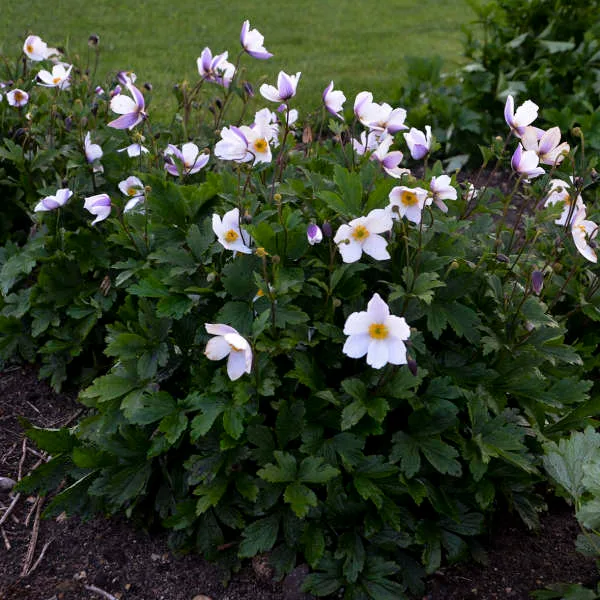
| Care difficulty | 2 / 5 |
|---|---|
| Watering schedule | Humid damp humus soil, never allow root ball full dehydration |
| Sunlight requirements | Full sun · Partial shade |
| Ideal temperature | Information to be completed |
| Soil type | Loam · Chalk · Clay · Sand |
| Soil pH | Acid · Alkaline · Neutral |
| Soil moisture | Moist but well drained |
| Fertilizing | Diluted organic flower feed monthly spring until late autumn |
| Toxicity | Ingestion may cause mild stomach upset, contact may irritate skin. Wear gloves and other protective equipment when handling] |
How to Water windflower [Wild Swan]?
Humid damp humus soil, never allow root ball full dehydration
Learn more →What Are the Sunlight Requirements for windflower [Wild Swan]?
Full sun · Partial shade
Learn more →What Soil Is Best for windflower [Wild Swan]?
- Soil type
- Loam · Chalk · Clay · Sand
- Soil pH
- Acid · Alkaline · Neutral
What Are the Moisture Requirements for windflower [Wild Swan]?
Moist but well drained
Learn more →How to Fertilize windflower [Wild Swan]?

Diluted organic flower feed monthly spring until late autumn
Learn more →How to Prune windflower [Wild Swan]?

Cut back old stems after flowering has finished
Learn more →How to Propagate windflower [Wild Swan]?

Propagate by division in early spring or autumn
Learn more →How to Plant windflower [Wild Swan]?
Grow in moist, fertile, humus-rich soil in sun or part shade. Mulch in spring and late autumn in cold areas. See anemone cultivation
Learn more →Common Pests & Diseases

Diseases
May be susceptible to Powdery mildews
Pests
May be susceptible to leaf eelworms and damage from caterpillars and slugs
Explore the plant health library →The Toxicity of windflower [Wild Swan]
Ingestion may cause mild stomach upset, contact may irritate skin. Wear gloves and other protective equipment when handling]