



Planting and Growing purple clematis

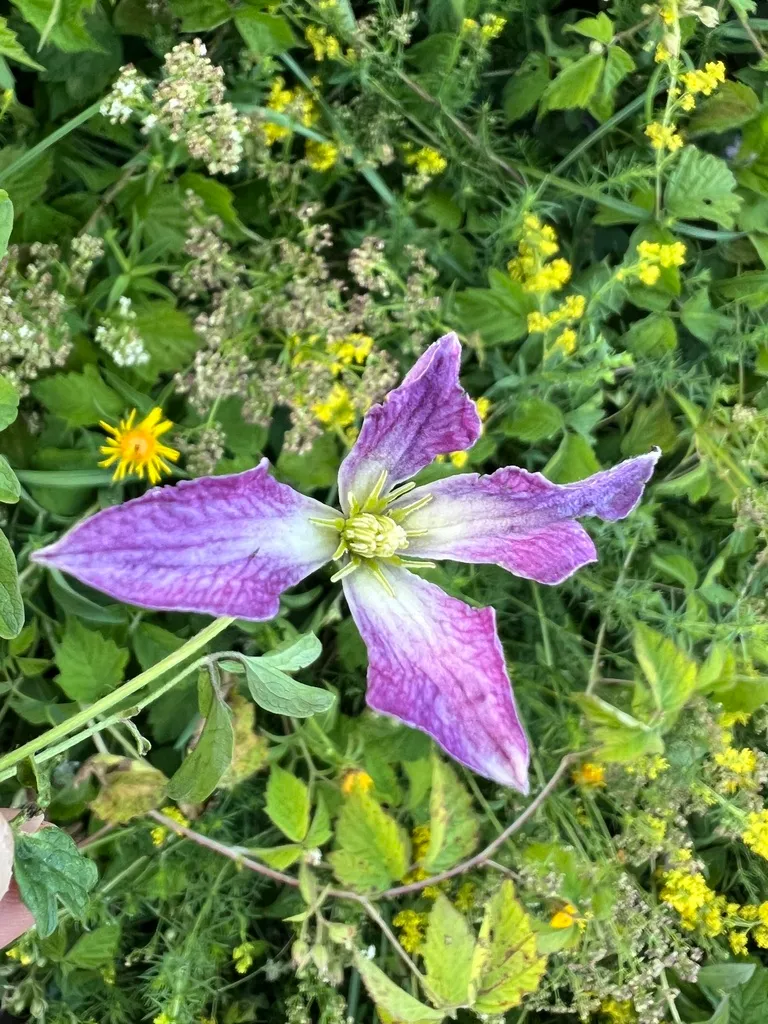
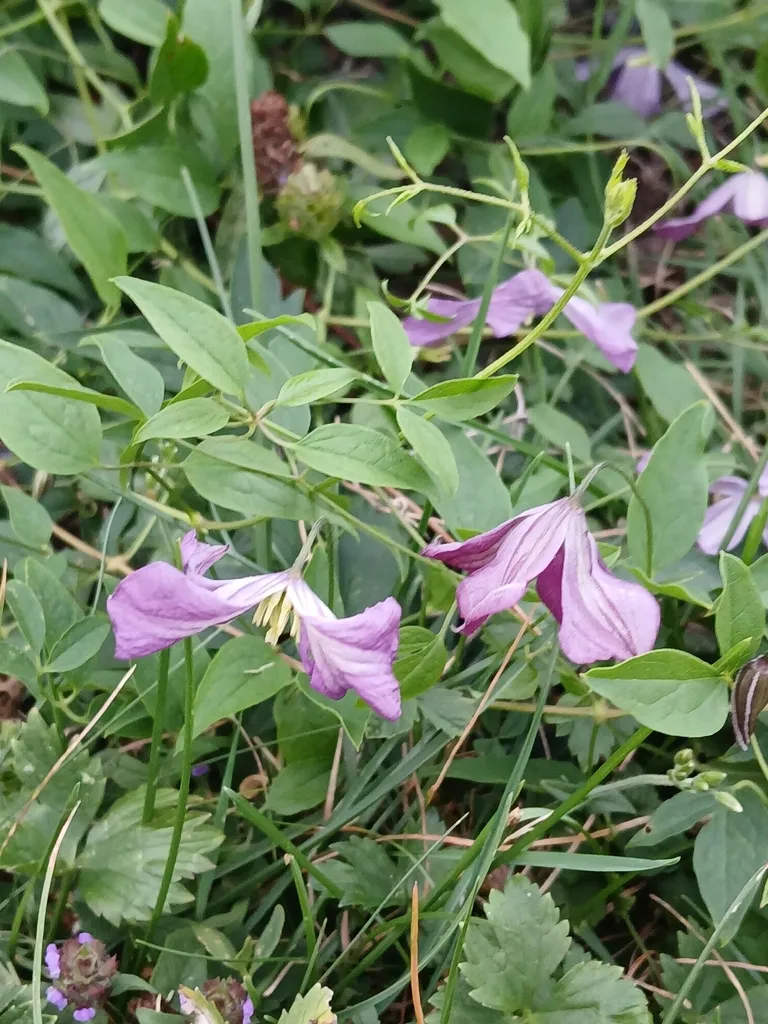
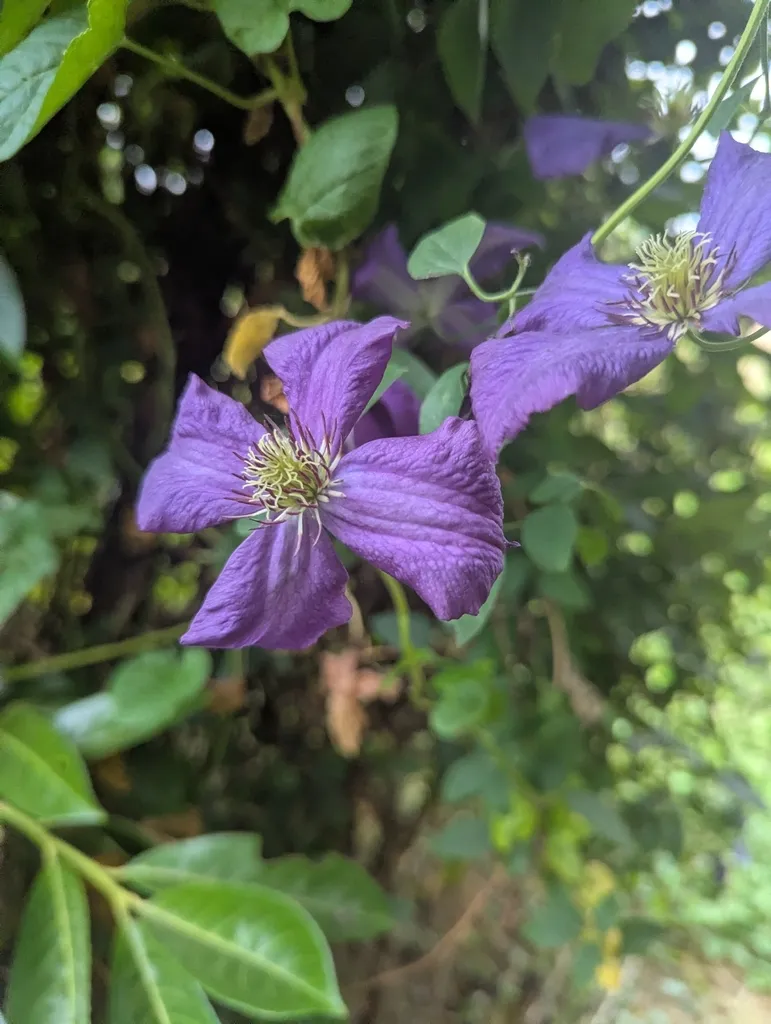
| Care difficulty | 2 / 5 |
|---|---|
| Watering schedule | Deep regular watering, keeping roots cool and never chronically dry |
| Sunlight requirements | Full sun · Partial shade |
| Ideal temperature | 15 – 25 °C |
| Soil type | Chalk · Clay · Loam · Sand |
| Soil pH | Alkaline · Neutral |
| Soil moisture | Moist but well drained |
| Fertilizing | Balanced clematis feed monthly in spring, higher potash before bloom |
| Toxicity | Skin irritant. Wear gloves and other protective equipment when handling |
How to Water purple clematis?
Thriving in its native habitat's moderate climate, italian leather flower has adapted to maintain consistent moisture levels, preferring a steady yet not overly saturated environment. This species is characterized by a balance in water needs, demonstrating neither an extreme drought tolerance nor a necessity for high humidity. Watering every week will sustain its health and vigor. As an outdoor plant often found climbing trellises or gracing garden walls, italian leather flower benefits from rainwater but may require additional irrigation during prolonged dry spells to support its growth cycles.
Learn more →What Are the Sunlight Requirements for purple clematis?
Italian leather flower thrives best under full sun conditions, which help to maximize its growth, vigor, and prolific flowering. Access to ample sunlight for at least six hours a day is advisable, promoting healthier plants and more vibrant blooms. Despite its preference for full sun, italian leather flower shows a good degree of adaptability and can tolerate partial shade. However, reduced light may lead to less robust growth and fewer flowers. Italian leather flower typically does not exhibit drastic leaf adjustments or color changes in response to varying light levels. When planted outdoors, italian leather flower should be positioned where it can receive the morning sun and some afternoon shade, especially in hotter climates. For those growing italian leather flower in regions with intense sun, mulching and adequate watering are recommended to mitigate stress.
Learn more →What Is the Ideal Temperature Range for purple clematis?

Italian leather flower is resilient to temperature variations, enduring cold down to -10℃ (14℉) and heat up to 38℃ (100℉). This robustness allows italian leather flower to thrive in diverse climates but necessitates specific care under extreme conditions. In cold weather, frost or wilting may occur, warranting protective coverings. Conversely, in excessive heat, signs like leaf scorch or reduced flowering might appear. Ensuring the plant is well-watered and mulched can mitigate heat stress. For cold, insulating the soil and providing wind barriers can protect the plant. These measures help maintain italian leather flower's health across a broader range of environments.
Learn more →What Soil Is Best for purple clematis?
For italian leather flower, well-draining soil is critical to avoid water-logging. Use a mix of garden soil with organic compost and perlite or coarse sand to enhance aeration. Ensure the soil remains neutral to slightly alkaline. Adding a balanced, slow-release fertilizer during planting and again in early spring can boost growth. Avoid heavy, clay-rich soils, and mulching can help retain optimum moisture levels.
- Soil type
- Chalk · Clay · Loam · Sand
- Soil pH
- Alkaline · Neutral
What Are the Moisture Requirements for purple clematis?
Moist but well drained
Learn more →How to Fertilize purple clematis?

Fertilize italian leather flower with balanced N-P-K fertilizers in the growing season, monthly, to boost health and flowering. Switch to high-phosphorus formulas pre-bloom for vibrant blossoms. Apply quarter-strength recommended dosage to prevent root burn. Increase frequency and amount gradually with italian leather flower's growth. For potted italian leather flower, ensure good drainage to avoid fertilizer buildup. Cease fertilization in dormant winter period. Water italian leather flower before feeding to aid nutrient absorption.
Learn more →How to Prune purple clematis?

Italian leather flower, characterized by its vigorous climbing habit and prolific summer blooms, benefits from a strategic pruning approach. Prune in early spring to remove dead or weak stems and encourage healthy growth. Cutting back to a pair of strong buds around 12 inches from the ground ensures robust flowering. Regular pruning also helps manage its size and shape, enhancing overall garden aesthetics. Follow these guidelines for vibrant, manageable growth.
Learn more →How to Propagate purple clematis?

Italian leather flower can be propagated during the Spring and Summer seasons. Herbaceous cuttings are the preferred method for propagating this plant, which is considered moderately difficult. Signs of successful propagation include new growth and root development. It is recommended to keep the soil moist and the cutting under shade until established.
Learn more →How to Transplant purple clematis?
The best time to transplant italian leather flower is during the early to mid-spring, prime time for its root establishment. Choose a location with well-draining soil and partial shade. Gently loosen the root ball before transplant for optimal growth. Happy gardening!
Learn more →How to Care for purple clematis in Winter?

Native to Mediterranean Europe, italian leather flower is naturally hardy, withstanding winters in its cool, moist climates. Adapted for dormancy and frost, it sheds leaves while generating new buds beneath the soil. For gardeners, ensuring well-drained soil and minimal pruning is key. Too much moisture or tampering could harm the plant's unique winter resilience. Thus, winter care is a delicate balance of restraint and attentiveness.
Learn more →How to Plant purple clematis?
Indoors-potted: In indoor settings, italian leather flower thrives with support for climbing and bright conditions to encourage lush foliage. Outdoors-potted: Italian leather flower in outdoor pots requires frequent pruning to maintain shape and promote healthy blooming cycles. Outdoors-in the ground: When planted outdoors, italian leather flower prefers a spacious area to stretch its vines, enhancing the garden's aesthetics with vibrant blooms.
Learn more →How to Repot purple clematis?
Repot italian leather flower every 2-3 years to accommodate its climbing growth, reaching significant heights. Spring repotting aligns with its growth cycle. Choose a medium-sized, deep pot for root expansion. Post-repot, ensure ample support for its vining habit and maintain moist soil without overwatering. Italian leather flower appreciates well-draining soil and partial shade to thrive post-repot.
Learn more →How to Harvest purple clematis?

Italian leather flower has very beautiful flowers, which can be cut to use as part of a bouquet, or to decorate dining tables or rooms. Choose flowers at different stages of openness according to your flower arrangement requirements. It is recommended to choose half-open or nearly open flowers, which look lovely and have a long vase life. On the day of harvesting, use a sharp knife to obliquely cut the end of the stem and then promptly insert it into clean water in a vase. To extend its vase life, keep it out of direct sunlight, as this will make the flower wither faster. If you want to harvest seeds of italian leather flower for reproduction, ensure that the seeds are already mature. Generally, seeds mature from late summer to midwinter, and it is recommended they are collected before the fruit becomes dark brown. If seeds are over-mature, they will enter dormancy, which will lead to late germination once they are planted.
Learn more →Common Pests & Diseases

Diseases
May be susceptible to honey fungus (rarely), clematis wilt and clematis slime flux
Pests
May be susceptible to slugs and snails and voles may damage young shoots and cut through young stems. Aphids may attack young growth.
Explore the plant health library →The Toxicity of purple clematis
Skin irritant. Wear gloves and other protective equipment when handling