



Planting and Growing trumpet vine

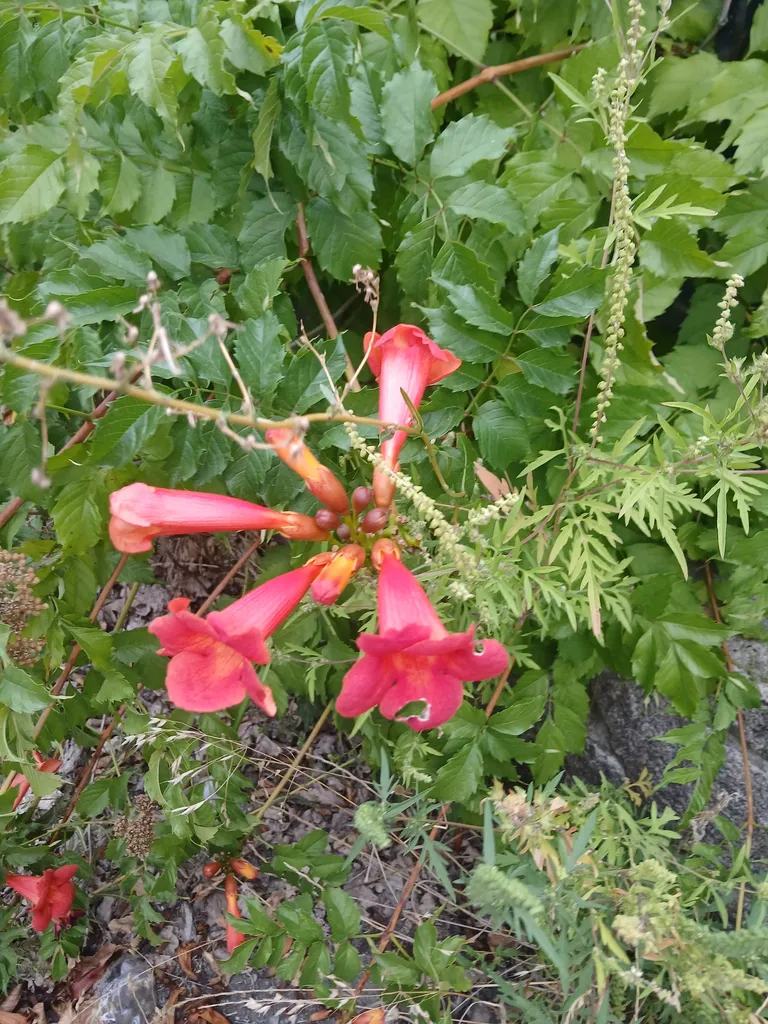
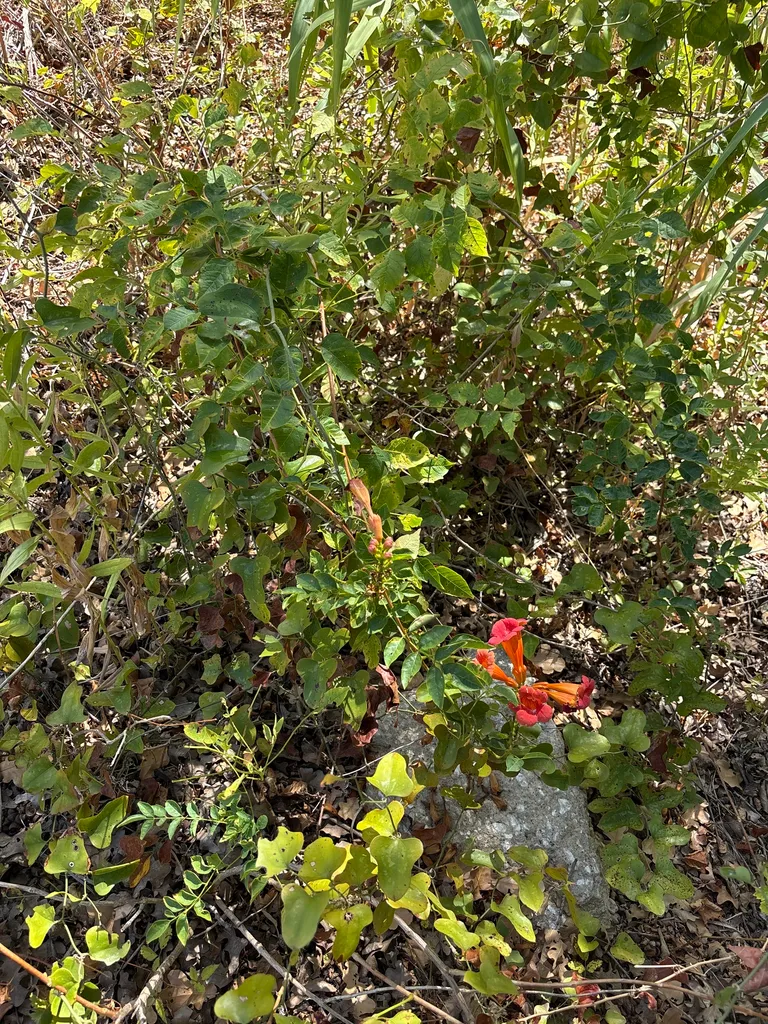
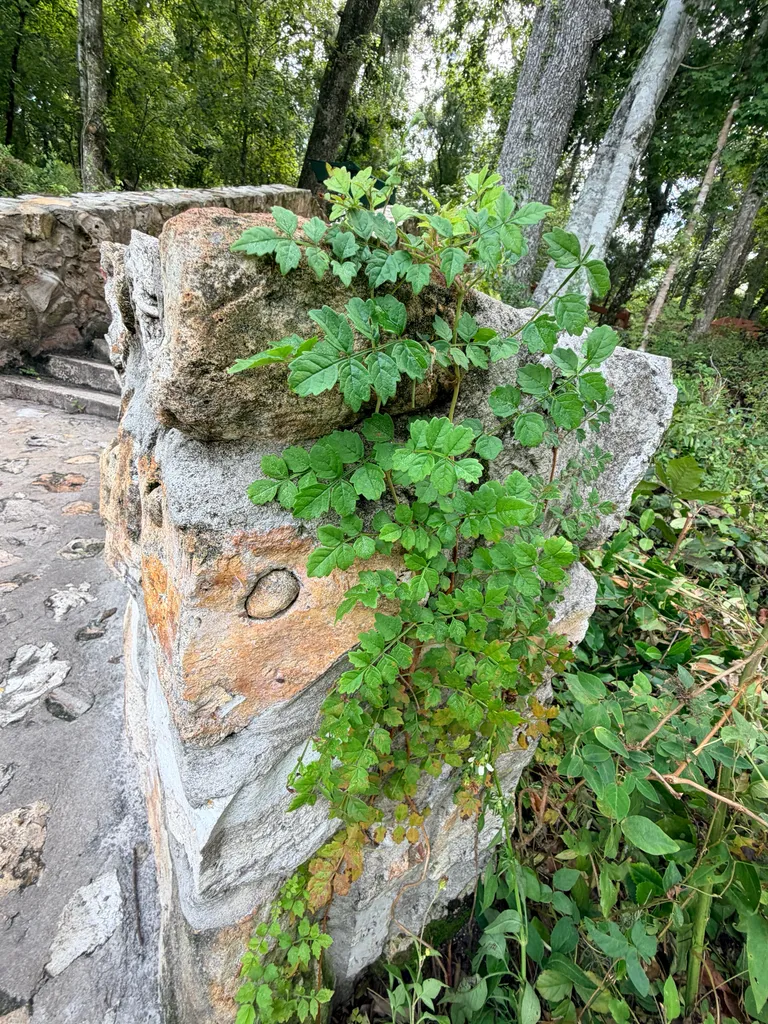
| Care difficulty | 1 / 5 |
|---|---|
| Watering schedule | Moderate regular watering, avoid prolonged drought or waterlogging |
| Sunlight requirements | Full sun |
| Ideal temperature | 15 – 25 °C |
| Soil type | Chalk · Clay · Loam · Sand |
| Soil pH | Acid · Alkaline · Neutral |
| Soil moisture | Moist but well drained |
| Fertilizing | Balanced feed in spring and light repeat in growth season |
| Toxicity | Information to be completed |
How to Water trumpet vine?
Originating from the woodlands and riverbanks, trumpet creeper thrives in environments that mimic its native humid conditions. As a drought-tolerant species, it has adapted to survive periods of low water availability. For optimal growth, trumpet creeper should receive watering every week. Typically grown outdoors due to its vigorous climbing habit, trumpet creeper flourishes when the soil is kept consistently moist during its active growing season.
Learn more →What Are the Sunlight Requirements for trumpet vine?
Trumpet creeper thrives best in full sunlight, where it can receive direct exposure for at least 6 hours daily. This optimal lighting enhances its growth, health, and maximizes flowering potential. Trumpet creeper is also tolerant of partial sun conditions, although less exposure may lead to reduced flowering and can potentially affect the vigor of its growth. Outdoors, trumpet creeper should be planted in locations that receive prolonged direct light; this exposure supports its ability to achieve and maintain vibrant blooms and robust growth. Adaptively, trumpet creeper might exhibit slight leaf adjustments or minimal color changes under varying light intensities, optimizing photosynthesis effectiveness.
Learn more →What Is the Ideal Temperature Range for trumpet vine?

Trumpet creeper exhibits remarkable resilience to a wide range of temperatures, enduring cold as low as -20℃ (-4℉) and heat up to 38℃ (100℉). This robust tolerance to temperature extremes impacts its care by minimizing the need for frequent protective measures. However, during extreme cold, frost damage can occur, signaling with blackened or wilted leaves. In intense heat, wilting and leaf scorch may be observed. To counteract overcooling, insulating mulch or protective covers are recommended. For overheating, ensure regular watering and provide shade if possible. With these precautions, trumpet creeper can thrive in varied environments.
Learn more →What Soil Is Best for trumpet vine?
Trumpet creeper doesn't require much from the soil. Still, it's best to choose well-drained, loose soil that's slightly acidic or neutral, with an ideal pH range of 6.8-7.2. Mix garden soil, peat moss, leaf mold, and river sand at a 2:1:1:1 ratio to make the planting soil, and add some organic manure to act as the base fertilizer.
- Soil type
- Chalk · Clay · Loam · Sand
- Soil pH
- Acid · Alkaline · Neutral
What Are the Moisture Requirements for trumpet vine?
Moist but well drained
Learn more →How to Fertilize trumpet vine?

For trumpet creeper, a balanced nutrition fertilizer ensures vibrant blooms and robust growth. Fertilize bi-monthly during growing seasons with a 10-10-10 NPK ratio, tapering off in fall. Apply 2 pounds per 100 square feet, avoiding over-fertilization to prevent excessive foliage at bloom's expense. Adjust based on soil tests and growth patterns; young plants may require more frequent feeding. Always water after applying to distribute nutrients evenly, and protect roots from chemical burn by keeping granules off stems.
Learn more →How to Prune trumpet vine?

Trumpet creeper is a vigorous climber with trumpet-shaped blooms. Prune in early spring before new growth begins. Remove dead or weak stems to promote healthy structure. Cut back excessively long vines to control size and encourage flowering. Pruning enhances air circulation, reduces disease risk, and stimulates robust growth. Ensure clean, sharp tools for precise cuts. These techniques maintain the plant's vitality and aesthetics.
Learn more →How to Propagate trumpet vine?

Trumpet creeper, a vigorous climbing plant, can be efficiently propagated through cuttings. Begin by selecting healthy semi-hardwood stems, ensuring each has multiple leaf nodes. Cut at a 45-degree angle just below a node, and dip the end in rooting hormone for enhanced root development. Plant the cuttings in a well-draining potting mix, keeping them moist and shaded until roots establish. This method encourages a genetically identical new plant, reflecting the parent plant's robust characteristics.
Learn more →How to Transplant trumpet vine?
Transplanting trumpet creeper is best done during the prime growing season, typically between late spring and mid-summer. Choose a sunny location for trumpet creeper, as it thrives in bright, warm conditions. If required, provide support to help the plant climb.
Learn more →How to Plant trumpet vine?
Indoors-potted: Thriving indoors, trumpet creeper adds a touch of the wild with its vigorous growth; ensure ample space for its sprawling nature. Outdoors-potted: In outdoor pots, trumpet creeper craves room to flourish; consider larger containers to accommodate its adventurous roots. Outdoors-in the ground: Trumpet creeper in the garden becomes a stunning display, but beware of its tendency to spread enthusiastically.
Learn more →How to Repot trumpet vine?
Repot trumpet creeper, a vigorous climber, during early spring every 2-3 years to accommodate growth. Choose a large container with ample room for its roots to prevent stunting. Post-repotting, ensure trumpet creeper gets moderate water and indirect light to recover. Sturdy support is crucial for its climbing nature; use a trellis or similar structure.
Learn more →Common Pests & Diseases

Diseases
May be susceptible to honey fungus
Pests
May be susceptible to aphids
Explore the plant health library →Troubleshooting
Leaf Scorch, Yellowing Chlorosis, or Root/Crown Decline
trumpet vine (Campsis radicans) depends on deep, well-drained soil and appropriate sun/moisture balance; waterlogged roots, drought stress, or unsuitable soil pH quickly show in foliage color.
| What you notice | Possible explanation | What to check next |
|---|---|---|
| Leaf margins turn brown and crispy in summer heat, or young foliage wilts despite adequate sunlight | Drought stress, drying winds, or afternoon sun scorch (especially on thin-leaved trees like Acer palmatum or newly planted specimens) | Check soil moisture 10–15 cm (4–6 inches) deep and assess afternoon sun and wind exposure |
| Leaves turn pale yellow between dark green veins (interveinal chlorosis) or whole canopy yellows and thins | Alkaline soil pH locking up iron/manganese (critical for ericaceous Vaccinium corymbosum and lime-hating oaks/maples) or poor drainage causing root rot | Test soil pH and inspect root-zone drainage after heavy rain or irrigation |
- Plant in well-drained soil suited to its pH needs (Acid, Alkaline, Neutral pH) in full sun, mulching the root zone with organic bark or leaf mold kept clear of the trunk.
- Water deeply during dry spells, especially in the first two years after planting: Moderate regular watering, avoid prolonged drought or waterlogging.
- Protect frost-tender or container-grown woody species before winter freezes.
If sudden branch dieback with dark vascular streaking or mushroom growth at the base occurs (suspected Verticillium wilt or honey fungus), prune out dead wood cleanly and consult local extension diagnostics.
Poor Flowering/Fruiting or Sap-Sucking Pests and Mildew
Insufficient sunlight, improper pruning timing, or dense unpruned canopies can reduce blooms and fruit while encouraging aphids, scale, caterpillars, or powdery mildew.
| What you notice | Possible explanation | What to check next |
|---|---|---|
| Vigorous leafy shoots with few flowers or poor fruit set | Excessive shade, high-nitrogen fertilizer, pruning off old-wood flower buds at the wrong season, or lack of cross-pollination (for fruit crops like blueberries/cherries) | Review daily sun hours, fertilizer ratio, and pruning timing |
| Curled sticky new shoots, white powdery leaf coating, or chewed foliage | Common pests (May be susceptible to aphids) or fungal issues (May be susceptible to honey fungus) | Inspect shoot tips, leaf undersides, and inner canopy airflow |
- Prune at the appropriate seasonal window: On established plants, shorten sideshoots to three or four buds from the permanent framework; remove crowded or damaged shoots. Prune annually after flowering on last-year growth, or in late winter or early spring on current-year growth..
- Thin crowded interior shoots to improve sunlight penetration and air circulation, and clean up fallen leaves in autumn.
- Blast aphids off sturdy shoots with a firm water spray or use insecticidal soap per label instructions.
Avoid late-summer nitrogen feeding, which forces soft late growth vulnerable to early autumn frost.