



Planting and Growing pinkcurrant 'Gloire de Sablons'

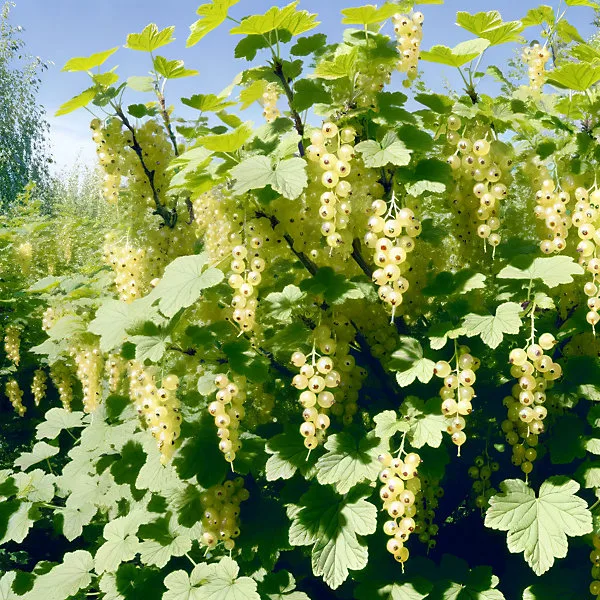
| Care difficulty | 2 / 5 |
|---|---|
| Watering schedule | Deep watering during dry spells, allowing slight surface drying between soakings |
| Sunlight requirements | Full sun · Partial shade |
| Ideal temperature | Information to be completed |
| Soil type | Clay · Loam · Sand |
| Soil pH | Acid · Neutral |
| Soil moisture | Moist but well drained |
| Fertilizing | Balanced shrub or tree feed once each early spring |
| Toxicity | Information to be completed |
How to Water pinkcurrant 'Gloire de Sablons'?
Deep watering during dry spells, allowing slight surface drying between soakings
Learn more →What Are the Sunlight Requirements for pinkcurrant 'Gloire de Sablons'?
Full sun · Partial shade
Learn more →What Soil Is Best for pinkcurrant 'Gloire de Sablons'?
- Soil type
- Clay · Loam · Sand
- Soil pH
- Acid · Neutral
What Are the Moisture Requirements for pinkcurrant 'Gloire de Sablons'?
Moist but well drained
Learn more →How to Fertilize pinkcurrant 'Gloire de Sablons'?

Balanced shrub or tree feed once each early spring
Learn more →How to Prune pinkcurrant 'Gloire de Sablons'?

May be pruned to create a permanent framework as a bush, standard, cordon or fan. Main pruning in dormant season; also summer pruning of vigorous side shoots
Learn more →How to Propagate pinkcurrant 'Gloire de Sablons'?

Propagate by hardwood cuttings in autumn
Learn more →How to Plant pinkcurrant 'Gloire de Sablons'?
Grow in a well-drained, fertile soil with a neutral to slightly acid pH. Full sun is preferred, but partial shade is tolerated and plants can be trained against a north wall. Grow as a permanent framework as a bush, standard, cordon or fan. Keep the area around the bushes free of other plants. Mulch with well-rotted compost, manure or bark particularly on dry soils. Further redcurrant cultivation advice
Learn more →Common Pests & Diseases

Diseases
May be susceptible to a leaf spot, coral spot and sometimes honey fungus. Resistant to powdery mildews
Pests
May be susceptible to gall mites, gall midge and aphids
Explore the plant health library →