



Planting and Growing Mexican fleabane

| Care difficulty | 1 / 5 |
|---|---|
| Watering schedule | Moderate regular watering, avoid prolonged drought and stagnant waterlogging |
| Sunlight requirements | Full sun |
| Ideal temperature | 15 – 25 °C |
| Soil type | Chalk · Loam · Sand · Clay |
| Soil pH | Acid · Alkaline · Neutral |
| Soil moisture | Well drained |
| Fertilizing | Balanced perennial feed every four weeks spring through summer growth |
| Toxicity | Information to be completed |
How to Water Mexican fleabane?
Thriving in its native habitat's moisture, mexican fleabane has adapted to require moderate hydration. This species is known for its resilience and can tolerate brief periods of dryness, maintaining a balance between drought tolerance and a preference for consistent moisture. Care should involve watering every week to mimic the natural rhythm of rainfall it would experience in the wild. As an evergreen plant, mexican fleabane retains its foliage year-round, necessitating regular watering even during cooler months when growth may slow, ensuring that it remains hydrated regardless of seasonal changes.
Learn more →What Are the Sunlight Requirements for Mexican fleabane?
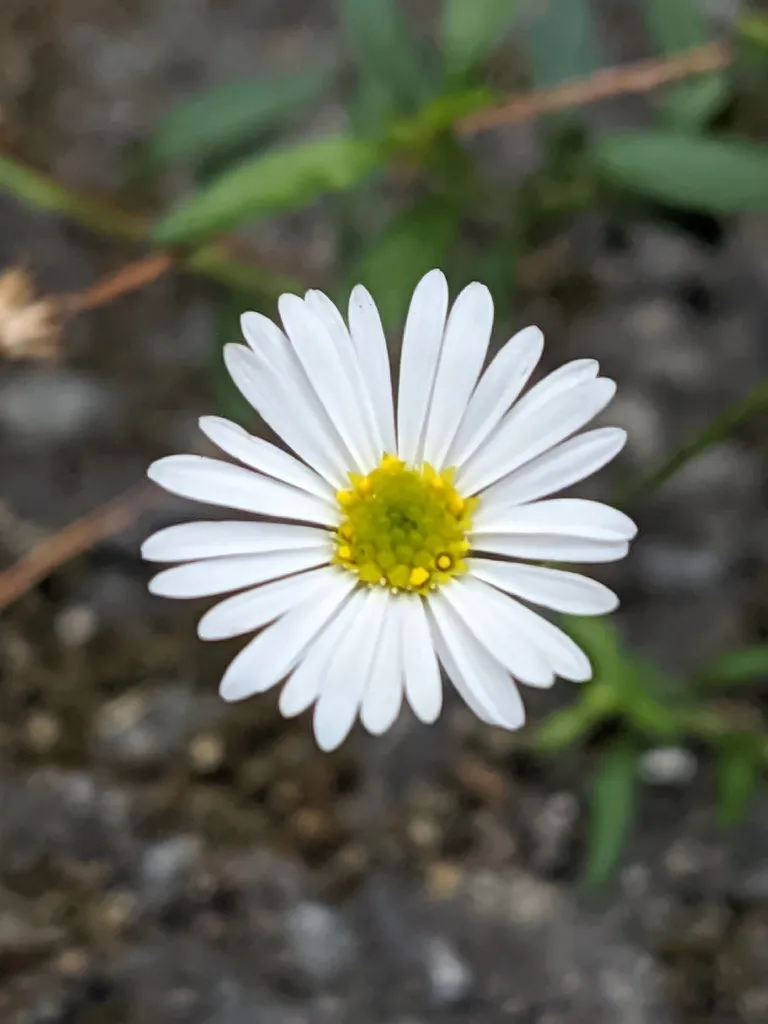
Mexican fleabane, thriving best in full sunlight, displays optimal growth, health, and prolific flowering under these conditions. Its ability to also handle partial sun positions exemplifies strong light tolerance that supports reasonable health and lesser, yet decent, flowering potential. In areas deviating from full sun, mexican fleabane may exhibit reduced vigor and fewer blooms, indicating that light intensity significantly influences its performance. Outdoors, mexican fleabane is best planted in positions that receive unfiltered sunlight most of the day to capitalize on its light preferences and enhance its daisy-like floral display.
Learn more →What Is the Ideal Temperature Range for Mexican fleabane?

Mexican fleabane demonstrates remarkable resilience to temperature variations, enduring cold down to 0℃ (32℉) and heat up to 38℃ (100℉). This adaptability makes it suitable for diverse environments, though it may need protection during extreme weather. In cold conditions, mexican fleabane might show wilting or leaf browning, while excessive heat can cause drooping or scorched leaves. To counteract cold, mulch around the base or use frost covers; in heat, ensure ample watering and provide shade. Understanding mexican fleabane's tolerance helps in planning care strategies to maintain its health across varying climates.
Learn more →What Soil Is Best for Mexican fleabane?
Mexican fleabane prefers well-drained soil to avoid water-logging. Create a suitable mix using garden soil combined with coarse sand and perlite for enhanced drainage. If perlite is unavailable, use fine gravel instead. Adding organic matter, like compost, can improve soil fertility. Consider light, balanced fertilizers during the growing season.
- Soil type
- Chalk · Loam · Sand · Clay
- Soil pH
- Acid · Alkaline · Neutral
What Are the Moisture Requirements for Mexican fleabane?
Well drained
Learn more →How to Fertilize Mexican fleabane?

For optimal care of mexican fleabane, use balanced fertilizers monthly during growing season for sturdy growth, switching to high phosphorus types before blooming to enhance flowers. Apply sparingly; over-fertilization risks harm. Adjust feeding with seasons: reduce in winter. Water well post-fertilization to distribute nutrients.
Learn more →How to Prune Mexican fleabane?

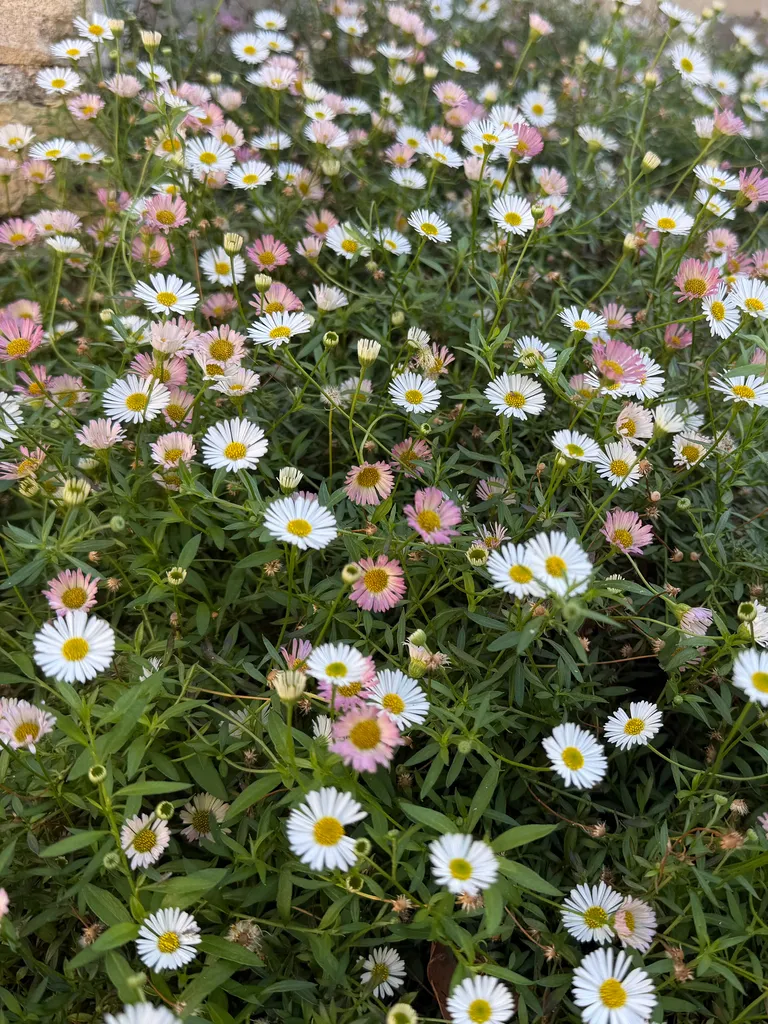
An attractive ground cover with daisy-like flowers, mexican fleabane thrives with regular pruning. Best done in early spring or late winter, prune back by a third to maintain shape and encourage vigorous growth. Deadheading spent flowers prolongs blooming. Pruning also helps control its spread and enhances airflow, preventing diseases. Consistent cutting back rejuvenates older plants, resulting in a healthier, lusher growth cycle.
Learn more →How to Propagate Mexican fleabane?

Propagate by seed in pots in a cold frame in spring
Learn more →How to Transplant Mexican fleabane?
For mexican fleabane, the cusp of spring, when the frost has retreated, provides optimal conditions for rooting. A sun-kissed spot with good drainage will ensure robust growth. Friendly advice: prior acclimatization eases the transition for these delicate bloomers.
Learn more →How to Plant Mexican fleabane?
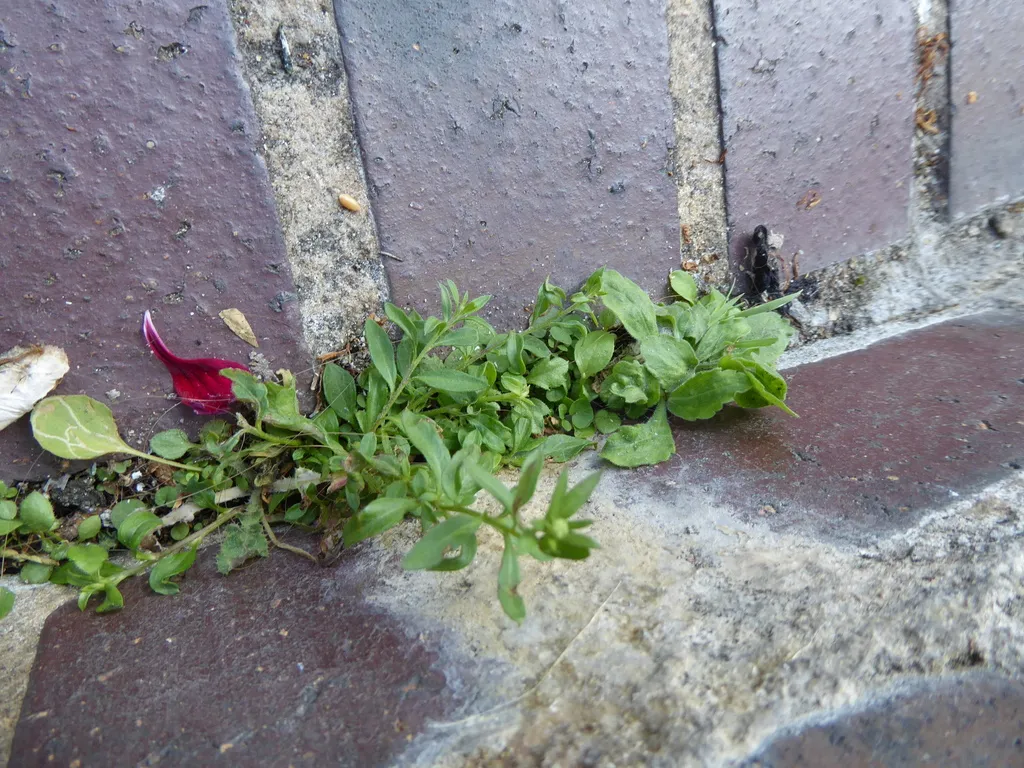
Indoors-potted: For indoor potted mexican fleabane, ensure a well-draining container to prevent root rot, as it thrives on good air circulation around its roots. Outdoors-potted: Mexican fleabane flourishes outdoors in pots with occasional repositioning to simulate natural breezy conditions that strengthen stem growth. Outdoors-in the ground: When planted in garden soil, mexican fleabane may self-seed prolifically, offering delightful unexpected sprouts in nearby areas.
Learn more →How to Repot Mexican fleabane?
For the small, daisy-like mexican fleabane, repotting is best done every 2-3 years to accommodate its spreading habit. Spring repotting stimulates robust growth, as it's a peak growth season for mexican fleabane. Choose a slightly larger pot to prevent overcrowding of its bushy, ground cover form. After repotting, ensure well-drained soil and ample sunlight for mexican fleabane's delicate, cascading blooms to thrive. Friendly reminder – keep the soil consistently moist, especially post-repotting.
Learn more →Common Pests & Diseases

Diseases
Generally disease-free
Pests
Generally pest-free
Explore the plant health library →Troubleshooting
Leggy Stems, Sparse Flowering, or Root Rot
Mexican fleabane (Erigeron karvinskianus) performs best in well-drained soil with appropriate sunlight and regular deadheading; soggy soil rots roots, while low light or skipped pinching causes leggy growth.
| What you notice | Possible explanation | What to check next |
|---|---|---|
| Stems stretch tall and floppy with sparse blooms | Insufficient direct sunlight, lack of early-season pinching/deadheading, or excess high-nitrogen fertilizer | Assess daily sun hours and check whether spent flowers are left to set seed |
| Lower leaves turn yellow and plant wilts while soil stays wet and heavy | Root or stem rot from overwatering or poor drainage (Generally disease-free) | Check soil drainage and ensure containers have open drainage holes |
- Grow in fertile, well-drained soil in full sun, spacing plants for good airflow.
- Water consistently without waterlogging: Moderate regular watering, avoid prolonged drought and stagnant waterlogging.
- Maintain compact flowering growth: Cut back to new shoots close to ground level in early spring. There is no need to deadhead.
Stop watering waterlogged containers immediately and improve drainage before fungal root or stem rot spreads.
Powdery Mildew, Rust, or Aphids and Slugs
Crowded foliage, dry root stress, or damp stagnant air can trigger mildew or rust on Mexican fleabane (Erigeron karvinskianus), while tender shoots attract pests.
| What you notice | Possible explanation | What to check next |
|---|---|---|
| White powdery coating or rusty/dark spots on leaves in humid or drought-stressed beds | Fungal disease (Generally disease-free) | Inspect lower leaves and spent blooms and check plant spacing |
| Distorted shoot tips with aphids, or ragged holes chewed in young leaves | Common pests (Generally pest-free) | Check shoot tips, leaf undersides, and damp ground around the crown |
- Water at the base of the plant early in the day rather than overhead, and divide congested clumps in spring or autumn every 2–3 years.
- Remove diseased leaves and faded flowers promptly, and clear plant debris at season's end.
- Manage aphids with a firm water spray or insecticidal soap per label directions, and protect young shoots from slugs.
Protect frost-tender tubers or half-hardy bedding indoors or under glass before autumn frosts.