



Planting and Growing celery 'Golden Self-Blanching'

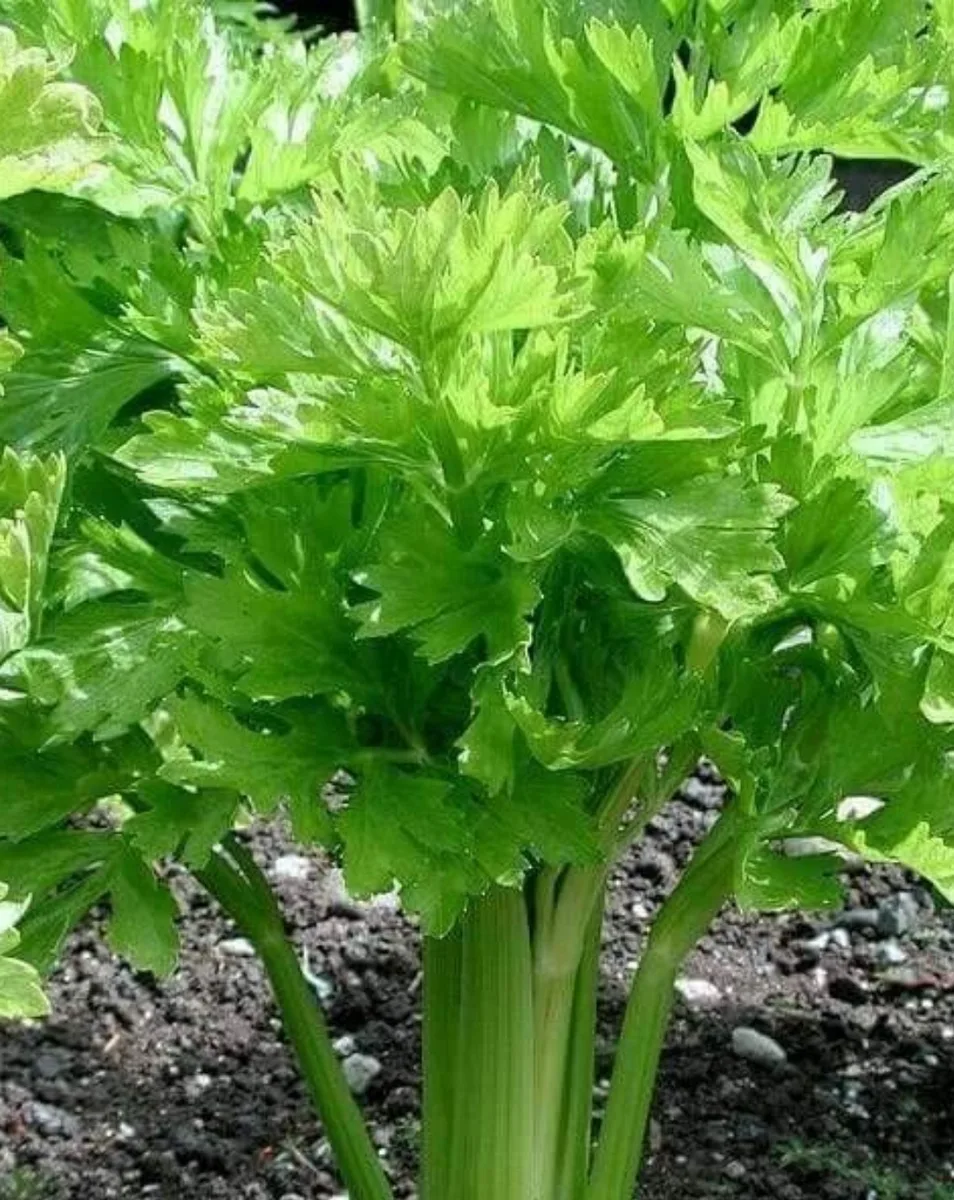
| Care difficulty | 3 / 5 |
|---|---|
| Watering schedule | Water frequently to sustain steady damp fertile growing medium |
| Sunlight requirements | Full sun |
| Ideal temperature | Information to be completed |
| Soil type | Clay · Loam · Sand |
| Soil pH | Acid · Alkaline · Neutral |
| Soil moisture | Moist but well drained · Well drained |
| Fertilizing | Supply nitrogen-rich diluted feed every two weeks in growth |
| Toxicity | Harmful to skin with sunlight. Wear gloves and other protective equipment when handling |
How to Water celery 'Golden Self-Blanching'?
Water frequently to sustain steady damp fertile growing medium
Learn more →What Are the Sunlight Requirements for celery 'Golden Self-Blanching'?
Full sun
Learn more →What Soil Is Best for celery 'Golden Self-Blanching'?
- Soil type
- Clay · Loam · Sand
- Soil pH
- Acid · Alkaline · Neutral
What Are the Moisture Requirements for celery 'Golden Self-Blanching'?
Moist but well drained · Well drained
Learn more →How to Fertilize celery 'Golden Self-Blanching'?

Supply nitrogen-rich diluted feed every two weeks in growth
Learn more →How to Prune celery 'Golden Self-Blanching'?

No pruning required
Learn more →How to Propagate celery 'Golden Self-Blanching'?

Propagate by seed. See sowing vegetable seeds
Learn more →How to Plant celery 'Golden Self-Blanching'?
Grow in fertile, moist but well drained soil in full sun. Sow indoors between March and April in seed trays or modules and transplant out to final position when large enough to handle. Low temperatures can cause bolting. See celery cultivation
Learn more →Common Pests & Diseases

Diseases
May be susceptible to celery leaf spot
Pests
May be susceptible to celery leaf-mining fly, slugs and snails
Explore the plant health library →The Toxicity of celery 'Golden Self-Blanching'
Harmful to skin with sunlight. Wear gloves and other protective equipment when handling