



Planting and Growing Fenestraria rhopalophylla

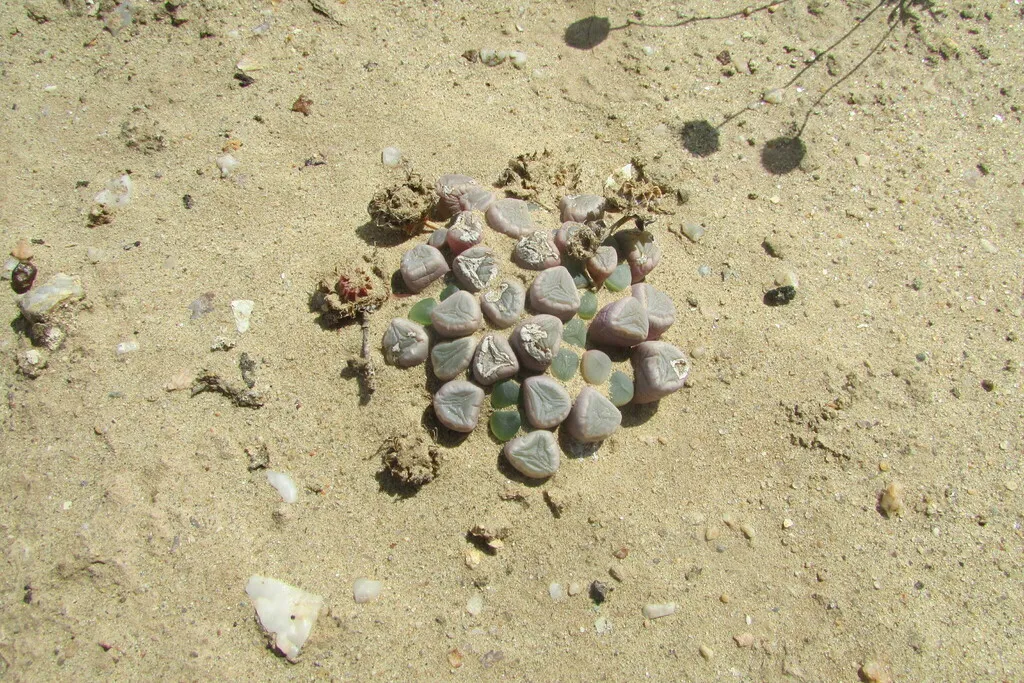
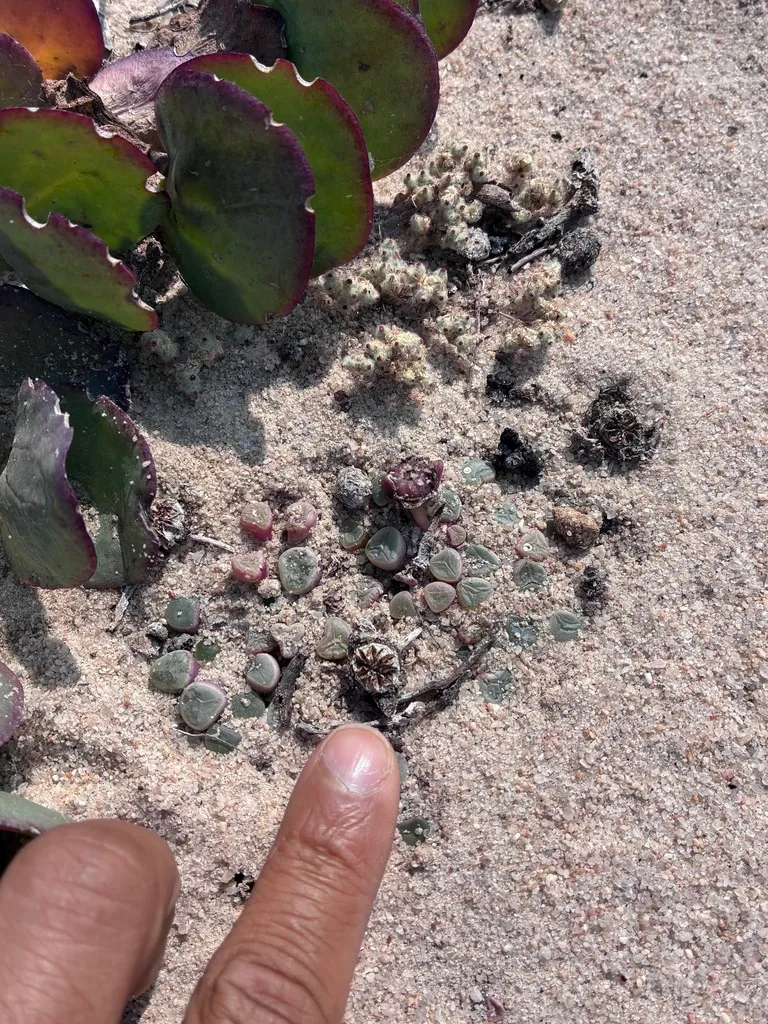
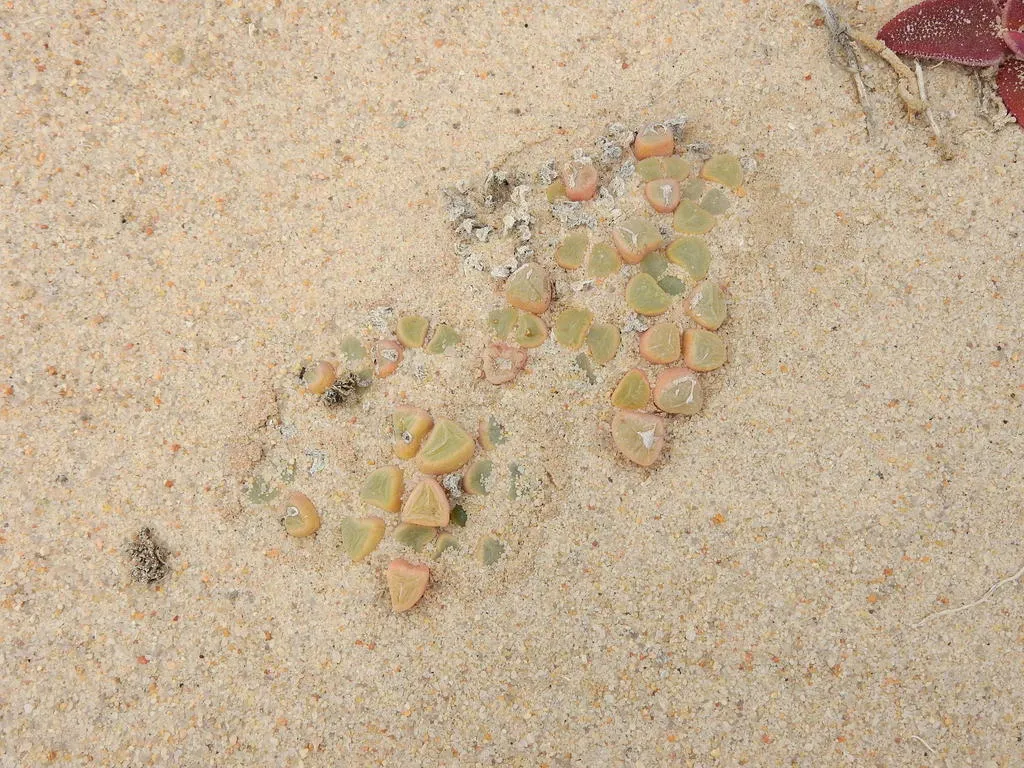
| Care difficulty | 4 / 5 |
|---|---|
| Watering schedule | Moderate regular watering, avoid prolonged drought and stagnant waterlogging |
| Sunlight requirements | Full sun |
| Ideal temperature | 12 – 24 °C |
| Soil type | Loam · Sand |
| Soil pH | Acid · Alkaline · Neutral |
| Soil moisture | Well drained |
| Fertilizing | Balanced perennial feed every four weeks spring through summer growth |
| Toxicity | Information to be completed |
How to Water Fenestraria rhopalophylla?
Originating from arid regions, baby toes succulent has evolved to store water efficiently, thriving in environments with low moisture availability. Its succulent nature grants it high drought tolerance, requiring minimal supplemental watering. The appropriate watering frequency for baby toes succulent is once every 2-3 weeks, allowing the soil to dry out completely between sessions. Indoors, where baby toes succulent is commonly grown due to its size and ornamental value, careful attention to watering schedules ensures robust health. As a succulent, baby toes succulent's water storage capabilities are finely tuned to survive prolonged dry spells, making it an ideal candidate for container gardening with limited water resources.
Learn more →What Are the Sunlight Requirements for Fenestraria rhopalophylla?
Baby toes succulent thrives in conditions where it can bask in full sun. The ideal light intensity promotes robust growth, optimal health, and enhances baby toes succulent's flowering potential. It's adapted to high light environments, often assuming a more vivid coloration under increased sun exposure. For indoor cultivation, a south-facing window ensures adequate light, whereas, in the garden, a spot that receives several hours of direct sunlight is preferable. Should baby toes succulent receive less than optimal light, growth may become etiolated, and flowering could be diminished, making light management key for a flourishing specimen.
Learn more →What Is the Ideal Temperature Range for Fenestraria rhopalophylla?

Baby toes succulent exhibits significant resilience to temperature fluctuations, tolerating cold down to 5℃ (41℉) and heat up to 43℃ (109℉). This adaptability makes it suitable for a range of environments, though care must be taken during extreme conditions. In cold weather, baby toes succulent may exhibit reduced growth, leaf discoloration, or rot, while excessive heat can cause wilting, sunburn, or dehydration. To protect baby toes succulent, consider using frost cloth or relocating it indoors during cold spells, and providing shade and adequate water during heat waves. This careful management ensures the plant thrives and maintains its characteristic appearance.
Learn more →What Soil Is Best for Fenestraria rhopalophylla?
Baby toes succulent thrives in well-draining soil with excellent aeration. Use a succulent & cactus soil mix or make your own by combining equal parts potting soil, coarse sand, and perlite. Ensure the soil mix is gritty (avoid garden soil) to prevent water-logging. Top-dress with fine gravel or pumice for added drainage. Fertilize sparingly with a diluted succulent fertilizer during the growing season.
- Soil type
- Loam · Sand
- Soil pH
- Acid · Alkaline · Neutral
What Are the Moisture Requirements for Fenestraria rhopalophylla?
Well drained
Learn more →How to Fertilize Fenestraria rhopalophylla?

Fertilize baby toes succulent during the growing season (spring to early fall) sparingly with a balanced, diluted succulent and cacti food, once a month. This boosts vigor and health, allows for robust growth, and encourages blooming. In winter, cease fertilization to allow baby toes succulent to rest. Always apply fertilizer to moist soil, never dry, to prevent root burn. Adjust quantity and frequency according to plant size and soil condition—less for small or potted plants, ensuring no run-off that can lead to excessive mineral buildup.
Learn more →How to Prune Fenestraria rhopalophylla?

In order to keep beautiful shape, some large succulent plants may need pruning. For example, in California, for echeveria planted in the garden, some redundant branches and branches that are too dense need to be cut off in spring and autumn. This depends on what you think and what the succulent plant is used for. Tools for pruning mainly include knife, scissors, and some medicines (such as sulfur powder). In order to propagate new plants, we can also cut some leaves in spring and autumn for cutting. Stout stems with 5-6 leaves are often selected: cut it off with a knife, then smear the wound with sulfur powder, and plant it after the wound is healed. At this time, it is recommended to use a watering can to slightly wet the soil used for cutting.
Learn more →How to Propagate Fenestraria rhopalophylla?

Baby toes succulent, a distinctive succulent, is characterized by its fleshy leaves resembling toes. It propagates successfully through sowing, where seeds are dispersed in well-draining soil and lightly covered. Warmth and moisture facilitate germination, yet over-watering should be avoided to prevent rot. Gentle care during the initial growth phase ensures the development of robust, mature plants.
Learn more →How to Transplant Fenestraria rhopalophylla?
The dawn of spring offers an ideal window for nestling baby toes succulent into their new home, fostering robust growth. Ensure a sunny locale with sharp drainage, and gently introduce baby toes succulent to prevent root distress, embracing its resilience during this seasonal shift.
Learn more →How to Plant Fenestraria rhopalophylla?
When planting, you can first add the soil of the lower hydrophobic layer to the flowerpot, and then add a small amount of soil of the planting layer. Then spread out the root system of the plant and put them in. Cover the plant root with planting soil slowly, then add the top deco soil, and finally pour water once. If it is planted in the garden, you need to dig a pit 1.5-2 times the size of the root system first, and then follow the above steps. In order to make it grow better and faster, or if the roots are too dense or unhealthy, it needs to be repotted. It is recommended to repot in spring and autumn. Before repotting, stop watering a few days in advance, after the soil is dried, you can gently knock the pot outside. Or you can use a knife to separate the soil from the pot. When pulling the plant up slightly, you can easily take out the plant, and then follow the steps described in the previous paragraph. It should be noted that, though you can plant different colors of succulent plants together, it is better to avoid planting succulent plants with different growth habits together. Some succulent plant growing in summer needs water, while other succulent plant in dormancy period does not need water. If they are planted together, the succulent plant in dormancy period will become sick due to excessive watering, while the succulent in growing period will wither due to insufficient water.
Learn more →How to Repot Fenestraria rhopalophylla?
Baby toes succulent thrives best when repotted every two years, benefiting from fresh soil and room to grow. For this low-growing succulent, select shallow containers that mimic its natural arid conditions. Choose a potting season in the early spring to align with its active growth phase. After repotting, minimal watering is needed, as baby toes succulent's water-storing abilities require drier post-care to prevent root rot. Ensure to provide bright, indirect light for robust recovery.
Learn more →Common Pests & Diseases

Diseases
Generally disease-free
Pests
Generally pest-free
Explore the plant health library →Troubleshooting
Soft Basal Rot or Splitting Leaves vs. Wrinkled Dehydration
Fenestraria rhopalophylla stores water in fleshy leaves or stems and depends on sharply drained mineral compost; excess moisture in cool or dormant periods quickly causes rot or split tissues.
| What you notice | Possible explanation | What to check next |
|---|---|---|
| Base of stem or lower leaves turns dark brown/black, soft, and translucent while soil stays damp | Root or stem rot from overwatering, heavy compost, or watering during dormancy | Check pot drainage holes, inspect lower soil wetness, and test base firmness gently |
| Fleshy leaves or stems look wrinkled, deflated, or limp while gritty soil is bone dry during active growth | Underwatering as the plant draws on stored tissue moisture | Check deep soil dryness and confirm seasonal growth activity |
- Pot in a sharply drained cactus/succulent compost (amended with pumice, coarse sand, grit, or perlite) in a container with open drainage holes.
- Follow seasonal moisture cues: Moderate regular watering, avoid prolonged drought and stagnant waterlogging.
- If rot develops at the base, cut away healthy upper stems or offsets with a sterilized blade, let cut ends dry and callous for several days, and root in fresh gritty mix.
For Fenestraria rhopalophylla (baby toes), growth occurs mainly in cool autumn-to-spring months—keep completely dry during hot summer dormancy and water lightly only when window tips wrinkle slightly.
Etiolated Growth or Mealybugs, Scale, and Spider Mites
Insufficient direct sunlight stretches new growth and dulls natural coloration in Fenestraria rhopalophylla, while mealybugs, root mealybugs, and scale often shelter in leaf axils or roots.
| What you notice | Possible explanation | What to check next |
|---|---|---|
| New growth stretches pale green with wide internodes instead of staying compact and richly colored | Insufficient bright light | Evaluate daily hours of direct or bright filtered light at the current site |
| White cottony tufts, sticky honeydew, or hard brown bumps along stems, leaf bases, or roots | Sap-sucking pests (Generally pest-free) | Inspect stem junctions, leaf undersides, and the soil line closely |
- Acclimate gradually to full sun so new growth develops compact form and natural coloration without sudden sunburn.
- Isolate infested plants and dab visible mealybugs or scale with rubbing alcohol on a cotton swab, or apply insecticidal soap per label directions.
- Protect frost-tender plants indoors or under cover before freezing weather arrives.
Already stretched stems will not shrink back, though compact healthy growth will resume once bright light is restored.