



Planting and Growing fuchsia 'Queen Elizabeth'

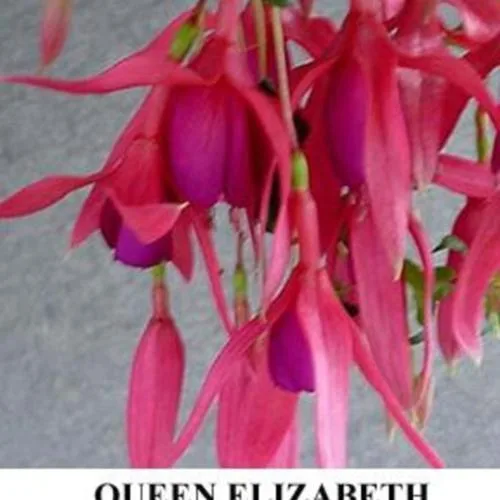
| Care difficulty | 2 / 5 |
|---|---|
| Watering schedule | Moderate regular watering, avoid prolonged drought and stagnant waterlogging |
| Sunlight requirements | Full sun · Partial shade |
| Ideal temperature | Information to be completed |
| Soil type | Chalk · Clay · Loam · Sand |
| Soil pH | Acid · Alkaline · Neutral |
| Soil moisture | Moist but well drained |
| Fertilizing | Balanced perennial feed every four weeks spring through summer growth |
| Toxicity | Fruit are ornamental - not to be eaten. Wear gloves and other protective equipment when handling |
How to Water fuchsia 'Queen Elizabeth'?
Moderate regular watering, avoid prolonged drought and stagnant waterlogging
Learn more →What Are the Sunlight Requirements for fuchsia 'Queen Elizabeth'?
Full sun · Partial shade
Learn more →What Soil Is Best for fuchsia 'Queen Elizabeth'?
- Soil type
- Chalk · Clay · Loam · Sand
- Soil pH
- Acid · Alkaline · Neutral
What Are the Moisture Requirements for fuchsia 'Queen Elizabeth'?
Moist but well drained
Learn more →How to Fertilize fuchsia 'Queen Elizabeth'?

Balanced perennial feed every four weeks spring through summer growth
Learn more →How to Prune fuchsia 'Queen Elizabeth'?

Shorten last year's flowering stems to one or two buds from the older woody framework. Remove thin, weak and dead shoots. Prune in early to mid-spring as growth resumes; avoid winter pruning that exposes new shoots to frost.
Learn more →How to Propagate fuchsia 'Queen Elizabeth'?

Propagate by softwood or semi-ripe cuttings
Learn more →How to Plant fuchsia 'Queen Elizabeth'?
Outdoors grow in fertile, moist but well-drained soil in full sun or partial shade in a sheltered position. Under glass grow in loam-based or loamless potting compost in bright filtered light. Keep just moist in winter and protect protect from freezing temperatures. See hardy fuchsia cultivation for further information
Learn more →Common Pests & Diseases

Diseases
May be susceptible to fuchsia rust, grey moulds and honey fungus (rarely)
Pests
May be susceptible to aphids, capsid bug, fuchsia gall mite, fuchsia flea beetle, glasshouse red spider mite and vine weevil
Explore the plant health library →The Toxicity of fuchsia 'Queen Elizabeth'
Fruit are ornamental - not to be eaten. Wear gloves and other protective equipment when handling