



Planting and Growing Dahlia 'Willowfield George'

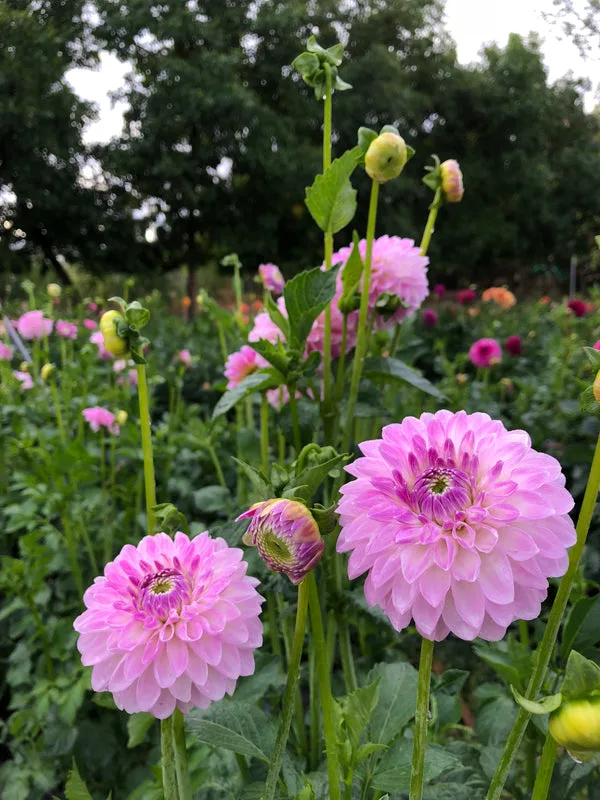
| Care difficulty | 2 / 5 |
|---|---|
| Watering schedule | Water deeply and regularly once active growth starts |
| Sunlight requirements | Full sun |
| Ideal temperature | Information to be completed |
| Soil type | Chalk · Loam · Sand |
| Soil pH | Acid · Alkaline · Neutral |
| Soil moisture | Moist but well drained |
| Fertilizing | Rich balanced feed from growth until late flowering |
| Toxicity | Information to be completed |
How to Water Dahlia 'Willowfield George'?
Water deeply and regularly once active growth starts
Learn more →What Are the Sunlight Requirements for Dahlia 'Willowfield George'?
Full sun
Learn more →What Soil Is Best for Dahlia 'Willowfield George'?
- Soil type
- Chalk · Loam · Sand
- Soil pH
- Acid · Alkaline · Neutral
What Are the Moisture Requirements for Dahlia 'Willowfield George'?
Moist but well drained
Learn more →How to Fertilize Dahlia 'Willowfield George'?

Rich balanced feed from growth until late flowering
Learn more →How to Prune Dahlia 'Willowfield George'?

Deadhead to prolong flowering
Learn more →How to Propagate Dahlia 'Willowfield George'?

Propagate by basal softwood cuttings taken in spring from shoots from stored tubers, or divide the tubers, ensuring that each division has a viable bud
Learn more →How to Plant Dahlia 'Willowfield George'?
Plant tubers 10-15cm deep in fertile, humus-rich, well-drained soil, in full sun; cut back to near ground level in mid-autumn, then in mild areas and on well-drained soils leave the tubers in the ground and protect with a deep organic mulch, while in colder areas or on heavy soils lift and store the tubers and replant in late spring after all danger of frost has passed; for more advice, see dahlia cultivation
Learn more →Common Pests & Diseases

Diseases
May be susceptible to powdery mildews, Dahlia mosaic virus, cucumber mosaic virus, tomato spotted wilt virus, storage rots, leafy gall, crown gall, Dahlia smut, grey moulds, fungal leaf spot, Phytophthora, Sclerotinia, Verticillium wilts, and virus diseases
Pests
May be susceptible to aphids, capsid bug, earwigs, caterpillars, slugs, glasshouse red spider mite, and onion thrips
Explore the plant health library →