



Planting and Growing Bengal rose

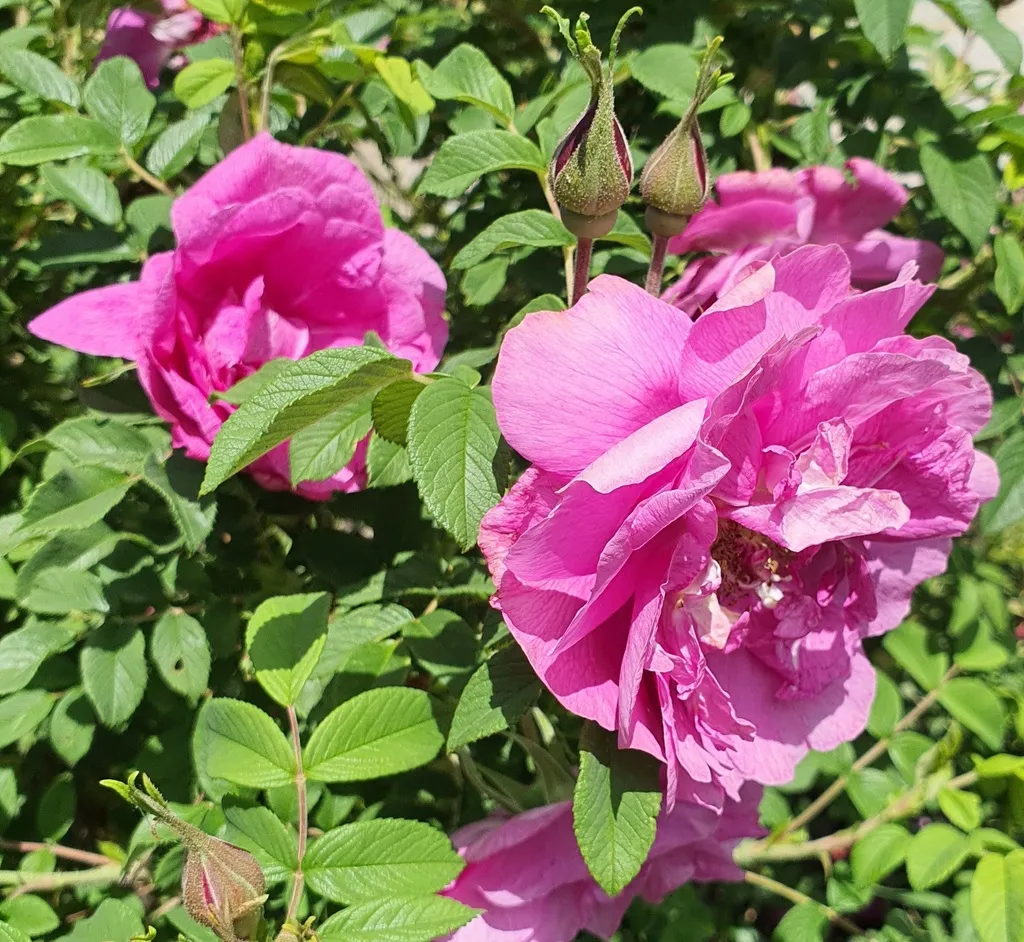
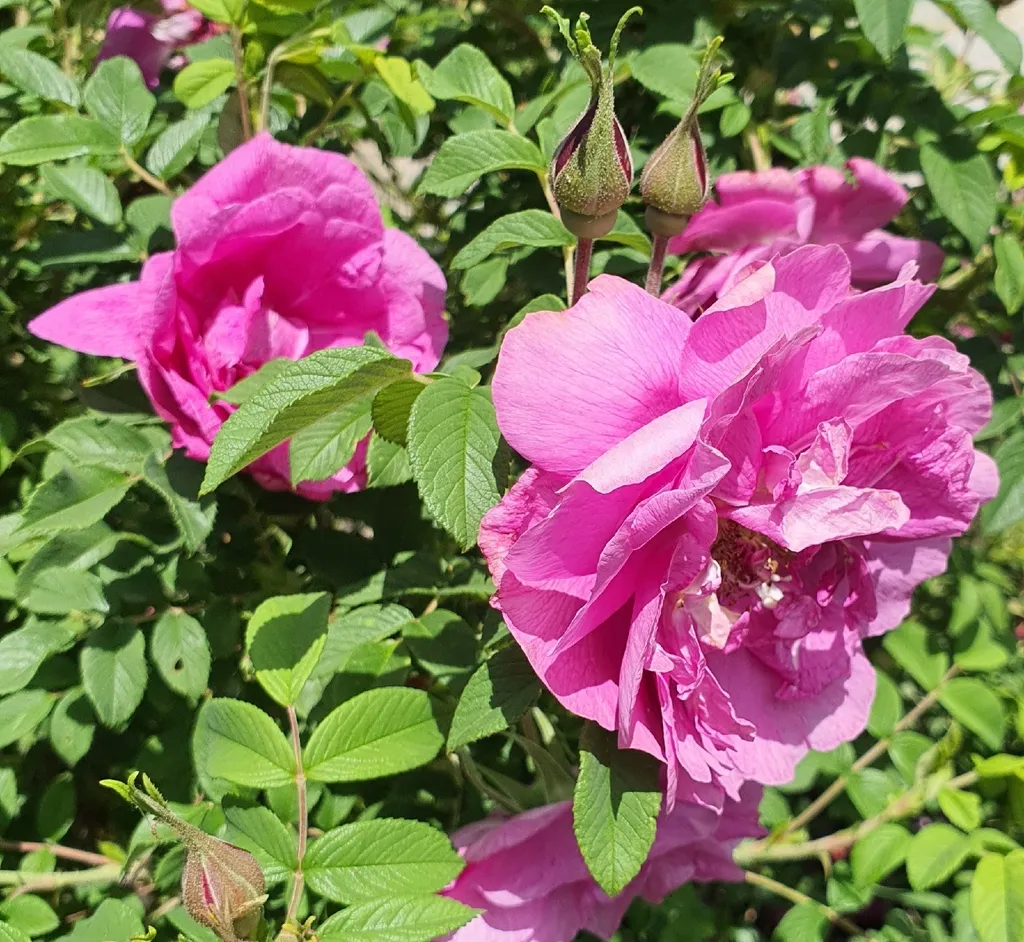
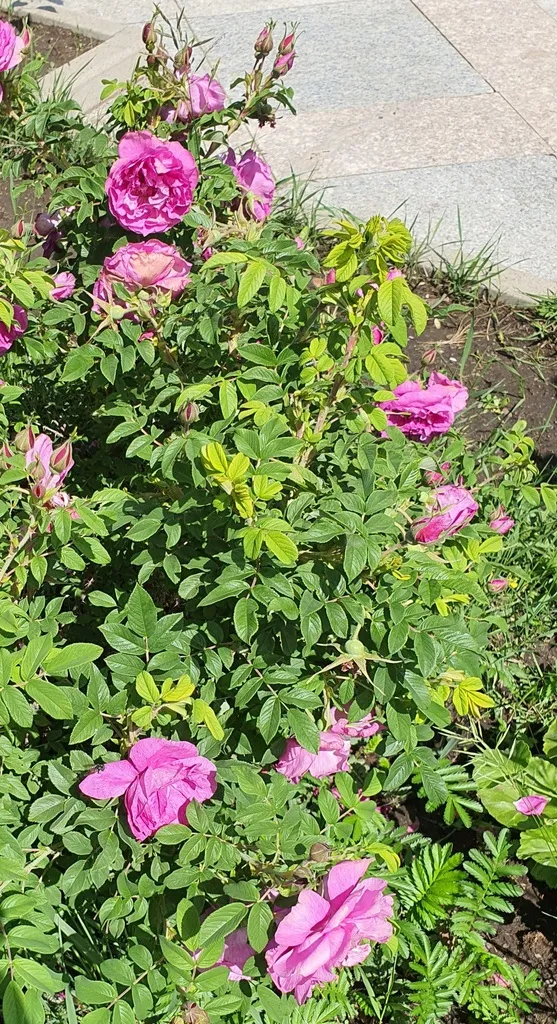
| Care difficulty | 3 / 5 |
|---|---|
| Watering schedule | Deep root watering, allow slight topsoil drying before repeat irrigation |
| Sunlight requirements | Full sun |
| Ideal temperature | 15 – 25 °C |
| Soil type | Chalk · Clay · Loam · Sand |
| Soil pH | Acid · Alkaline · Neutral |
| Soil moisture | Moist but well drained · Well drained |
| Fertilizing | Rose bloom fertilizer every two to four weeks spring through late summer |
| Toxicity | Fruit are ornamental - not to be eaten. Wear gloves and other protective equipment when handling |
How to Water Bengal rose?
Originating from humid subtropical regions, china rose thrives in environments that mimic its native moist conditions. This species exhibits a preference for consistent moisture without being waterlogged, displaying moderate drought tolerance. It should be watered once every 1-2 weeks, ensuring the soil remains evenly damp but not saturated. Typically grown outdoors due to its need for ample sunlight and air circulation, china rose benefits greatly from rainwater during its active growing season, which enhances its lush flowering potential.
Learn more →What Are the Sunlight Requirements for Bengal rose?
China rose thrives under full sun exposure, requiring at least six hours of direct sunlight daily to flourish. Optimal light ensures robust growth, vibrant health, and abundant flowering. While china rose can tolerate partial sun, insufficient light may lead to weakened stems, fewer blossoms, and potential susceptibility to pests. In an outdoor setting, china rose is best positioned in a spot that garners day-long sunshine, whereas indoors, placing china rose near south-facing windows can emulate ideal conditions. China rose's foliage does not typically exhibit significant adaptive traits in response to varying light conditions.
Learn more →What Is the Ideal Temperature Range for Bengal rose?

China rose displays notable resilience to temperature fluctuations, tolerating cold down to -20℃ (-4℉) and heat up to 43℃ (110℉). This hardiness impacts its care, requiring protective measures during extreme weather. In cold conditions, china rose may exhibit wilting, browning, or dieback. Conversely, excessive heat can cause leaf scorch and dehydration. To mitigate these effects, insulate the plant against severe cold and ensure adequate watering and shade during high temperatures. This adaptability makes china rose suitable for varied climates, though proactive care is crucial to maintain its health during extreme weather.
Learn more →What Soil Is Best for Bengal rose?
China rose thrives in well-draining soil with good aeration to prevent root rot. A suitable soil mix consists of equal parts potting mix, coarse sand or perlite, and compost. In the absence of coarse sand or perlite, use small gravel. Ensure ample drainage by having holes at the bottom of the container. Amend soil with slow-release fertilizer in spring for enhanced growth. Use language that is clear for all levels of gardeners.
- Soil type
- Chalk · Clay · Loam · Sand
- Soil pH
- Acid · Alkaline · Neutral
What Are the Moisture Requirements for Bengal rose?
Moist but well drained · Well drained
Learn more →How to Fertilize Bengal rose?

For china rose's robust growth and blooming, apply balanced nutrition fertilizers every 2-4 weeks during active growth. Fertilize less frequently, every 4-6 weeks, in winter. A light dose, in line with product instructions, avoids nutrient overload. Benefits include vibrant flowers and resilient foliage. Seasonally adjust application; spring growth necessitates more resources. Always water soil before fertilizing to prevent root burn. This tailored regime caters to both novice and advanced gardeners, ensuring china rose thrives.
Learn more →How to Prune Bengal rose?

China rose, noted for its vibrant flowers and glossy leaves, benefits from early spring pruning. Remove dead or diseased wood first, then thin out crowded canes to improve air circulation. Lightly trim back new growth to shape the plant while promoting vigorous blooming. Regularly deadhead spent flowers throughout the growing season. Pruning encourages healthier growth, reduces disease risk, and enhances floral displays, making it essential for gardeners aiming for robust, aesthetically pleasing plants.
Learn more →How to Propagate Bengal rose?

A native of East Asia, china rose is a popular ornamental shrub acclaimed for its showy blossoms. To propagate china rose, cuttings are commonly employed, and gardeners should select healthy, disease-free stems for optimal success. Select a robust stem, slice it at a 45-degree angle slightly below a bud and dip the cut end into a rooting hormone before planting in a moist, well-draining growing medium. Keeping the soil consistently moist and covered with a plastic dome or bag will help retain humidity and encourage root development without additional elaborations on seasonality or detailed procedure.
Learn more →How to Transplant Bengal rose?
For china rose, the ideal season for transplanting is from late spring to midsummer, as it allows time for proper establishment before winter. Select a sun-filled location with well-draining soil. When necessary, apply balanced nutrients for enhanced growth.
Learn more →How to Plant Bengal rose?
Indoors-potted: Ensure china rose has enough room to grow; indoor pots limit its size, which is vital for its sprawling nature. Outdoors-potted: Outdoor potted china rose will thrive with proper drainage; it dislikes waterlogged conditions that can lead to root issues. Outdoors-in the ground: China rose enjoys spreading out; in-ground planting lets it flourish naturally, making pruning a key aspect of care.
Learn more →How to Repot Bengal rose?
Repot china rose every 2-3 years, ideally in early spring before peak growing season. This bushy shrub thrives in a slightly larger pot to accommodate root growth. Use well-draining soil and a container with drainage holes to prevent root rot. Post-repotting, ensure china rose receives adequate water and light but avoid over-watering. Gentle pruning can promote a robust bloom and shape.
Learn more →How to Harvest Bengal rose?

China rose produces excellent fresh flowers that can be pruned with sharp scissors as soon as they bloom. It is best to pick flowers in the morning to avoid loss of water through plant transpiration at noon. After picking, it is necessary to trim the base of the branch at a 45° angle to increase the water absorption area. Quickly put the flower into a vase with clean water to avoid water loss.
Learn more →Common Pests & Diseases

Diseases
May be susceptible to rose black spot, rose rust, replant disease, rose dieback, and rose powdery mildew. May also be susceptible to disorders rose blindness and flower balling and sometimes honey fungus
Pests
May be susceptible to aphids, rose leafhopper, glasshouse red spider mite, scale insects, caterpillars, large rose sawfly, rose slugworm sawfly and rose leaf-rolling sawfly. Deer and rabbits can cause damage
Explore the plant health library →Troubleshooting
Black Spot, Powdery Mildew, and Yellowing Lower Leaves
Rosa chinensis (China rose / Bengal rose, ancestor of modern repeat-blooming roses) needs at least 6 hours of direct sun and brisk air circulation; wet foliage and stagnant air quickly trigger black spot or powdery mildew.
| What you notice | Possible explanation | What to check next |
|---|---|---|
| Circular black spots with fringed margins and yellow halos appear on lower leaves, causing leaves to yellow and drop | Rose black spot fungus spread by water splashing onto foliage | Pick up fallen leaves, prune affected lower leaves, water only at the soil base in the morning, and mulch the soil surface. |
| White powdery coating curls young shoots, leaves, and flower buds | Powdery mildew encouraged by warm days, cool nights, and poor airflow | Improve air circulation, avoid overhead watering, and prune overcrowded interior stems. |
- Plant in full sun (at least 6 hours of direct sunlight daily) with open spacing for good air movement.
- Water deeply at the base of the plant in the morning rather than wetting the leaves, keeping soil evenly moist without waterlogging.
- Sanitize the soil surface by removing fallen diseased leaves and applying a 2- to 3-inch layer of organic mulch to prevent fungal spores from splashing up.
Rosa chinensis is listed as non-toxic to cats and dogs by the ASPCA, though stem prickles (thorns) can cause physical scratches.
Aphids, Spider Mites, and Weak Repeat Blooming
Repeat-blooming China roses produce flowers continuously from spring to autumn when deadheaded regularly and protected from sap-sucking pests.
| What you notice | Possible explanation | What to check next |
|---|---|---|
| Soft green or pink aphids cluster densely on tender shoot tips and unopened flower buds | Aphids attracted to lush new growth | Blast aphids off buds with a firm jet of water in the morning or use insecticidal soap per label instructions. |
| Leaves develop fine yellow stippling and webbing in hot, dry weather (especially on balcony/container roses) | Two-spotted spider mites | Inspect leaf undersides and rinse foliage undersides thoroughly with water. |
| Blooming slows down after the first spring flush | Lack of deadheading, insufficient sun, or depleted nutrients in containers | Deadhead spent blooms back to a strong 5-leaflet leaf and feed regularly during active growth. |
- Deadhead faded flowers promptly back to the first outward-facing five-leaflet leaf to stimulate the next flush of flowering shoots.
- Prune lightly in late winter or early spring to remove dead, weak, or crossing stems (China roses bloom on new growth and require lighter pruning than hybrid teas).
- Feed regularly from spring through mid-summer with a balanced rose fertilizer, stopping feeding about 6 to 8 weeks before autumn frost so new shoots harden.
Wear thick thorn-proof gardening gloves when pruning roses.
The Toxicity of Bengal rose
Fruit are ornamental - not to be eaten. Wear gloves and other protective equipment when handling