



Planting and Growing autumn sneezeweed

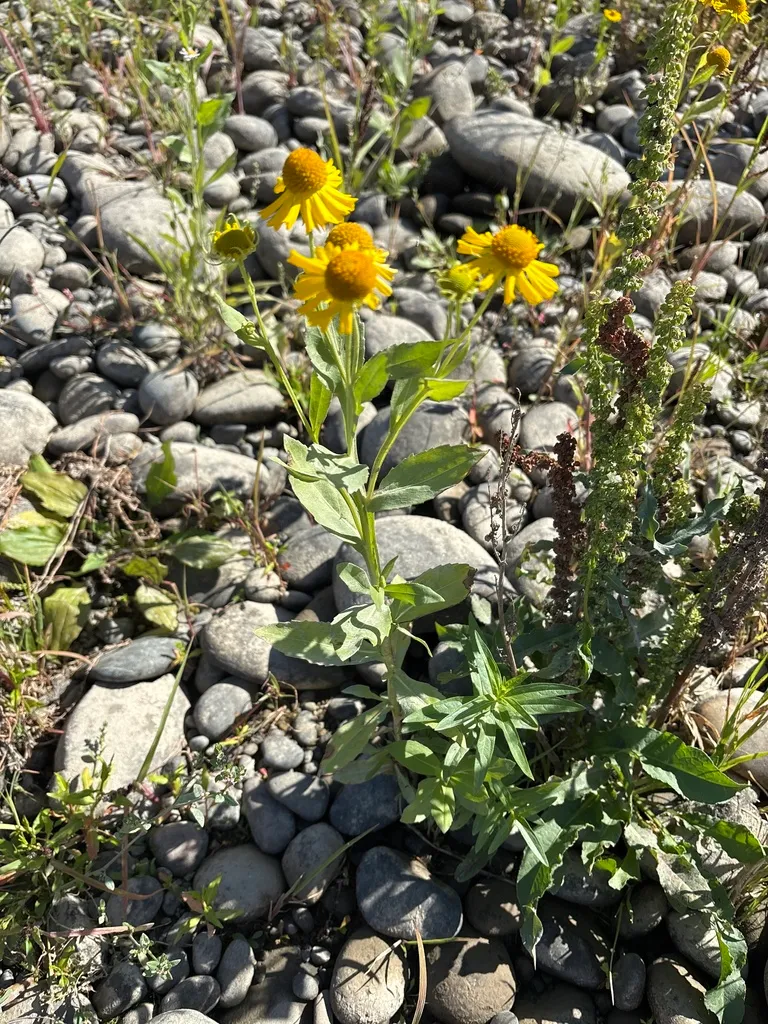
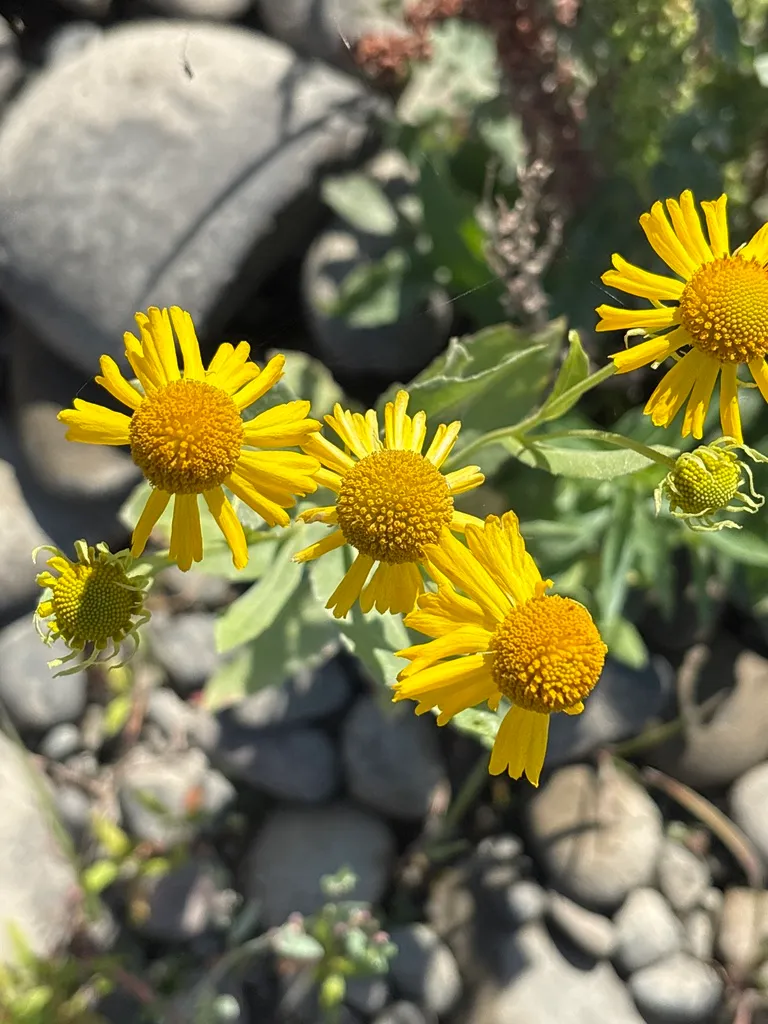
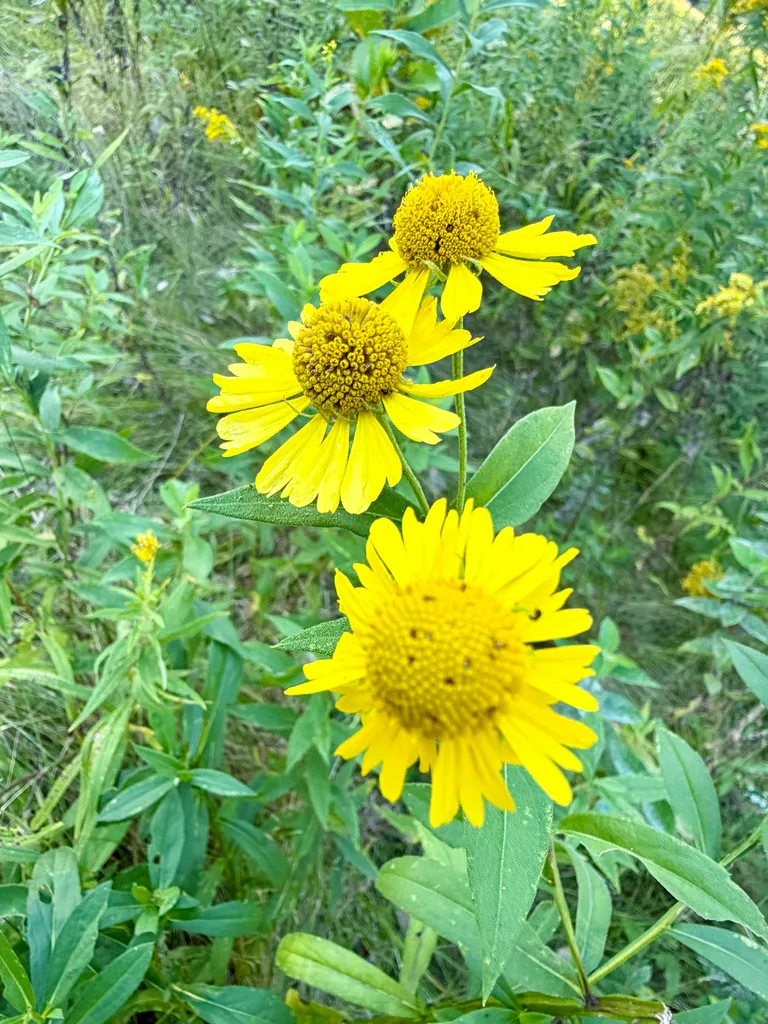
| Care difficulty | 2 / 5 |
|---|---|
| Watering schedule | Moderate regular watering, allowing brief slight drying between soakings |
| Sunlight requirements | Full sun |
| Ideal temperature | 15 – 25 °C |
| Soil type | Chalk · Clay · Loam · Sand |
| Soil pH | Acid · Alkaline · Neutral |
| Soil moisture | Moist but well drained |
| Fertilizing | Balanced perennial feed every four weeks from spring through summer |
| Toxicity | Information to be completed |
How to Water autumn sneezeweed?
Thriving in moist conditions typical of its native streamside habitats, sneezeweed exhibits a preference for consistent moisture. Its water habits are balanced, neither drought-tolerant nor requiring excessive humidity. The ideal watering schedule for sneezeweed is once every week to maintain its hydration needs. As an herbaceous perennial commonly grown outdoors, sneezeweed's flowering period is greatly influenced by adequate watering, which ensures vibrant blooms and robust growth during its active growing season.
Learn more →What Are the Sunlight Requirements for autumn sneezeweed?
Sneezeweed thrives best in full sun, where it can receive at least six hours of direct sunlight daily. This exposure optimizes its growth, health, and enhances its prolific blooming capabilities. While sneezeweed is tolerant to partial sun, receiving fewer hours of direct sunlight per day, its growth and flowering may not be as robust compared to full sun conditions. In partial shade, sneezeweed may exhibit leggier growth and fewer flowers. Adaptively, sneezeweed can adjust by increasing leaf surface area to maximize light absorption under less ideal light conditions. For outdoor planting, choose open areas that receive unfiltered sunlight for the majority of the day.
Learn more →What Is the Ideal Temperature Range for autumn sneezeweed?

Sneezeweed shows remarkable resilience to temperature fluctuations, enduring cold down to 0℃ (32℉) and heat up to 38℃ (100℉). This broad temperature tolerance means sneezeweed is well-suited for diverse environments. However, during extreme cold, symptoms like browned leaves and slowed growth may occur, while excessive heat can cause wilting and leaf scorch. Protective measures, such as mulching or shading, may be necessary in these conditions. Understanding sneezeweed's temperature tolerance ensures optimal care, helping to mitigate the effects of extreme weather and maintain plant health.
Learn more →What Soil Is Best for autumn sneezeweed?
For optimal growth of sneezeweed, ensure well-draining soil with good aeration. A suitable mix can be made with garden soil, compost, and sand in equal parts. If sand isn't available, perlite can be used. Drainage can be improved by adding a layer of gravel at the bottom of the container. Fertilize with a balanced, slow-release fertilizer in spring to boost growth.
- Soil type
- Chalk · Clay · Loam · Sand
- Soil pH
- Acid · Alkaline · Neutral
What Are the Moisture Requirements for autumn sneezeweed?
Moist but well drained
Learn more →How to Fertilize autumn sneezeweed?

For optimal growth, fertilizing sneezeweed with balanced nutrition fertilizers (example: 10-10-10) in early spring and high phosphorus fertilizers to support bloom production before flowering season is recommended. A quarterly application at rates specified by the product is usually sufficient. Over-fertilization can lead to excess foliage with fewer flowers and risk of fertilizer burn. Gradually reduce feeding in late summer to prepare sneezeweed for dormancy. Always water sneezeweed after applying fertilizer to help absorption and prevent root damage. Monitoring sneezeweed's growth response to fertilization will guide adjustments to care routine.
Learn more →How to Prune autumn sneezeweed?

Known for its vibrant yellow and orange flowers, sneezeweed thrives when pruned in early to late spring. Key techniques include removing spent blooms to encourage prolonged flowering and cutting back leggy stems to promote robust growth. Pruning after the flowering season helps maintain plant shape and health. Removing dead or damaged branches is essential to prevent disease. Regular pruning enhances air circulation and prevents overcrowding, ensuring better overall plant vigor.
Learn more →How to Propagate autumn sneezeweed?

Sneezeweed propagates readily through sowing in early Spring. This plant has moderate propagation difficulty, with success indicated by germination and healthy seedling growth. Keep seeds moist and provide ample sunlight for best results.
Learn more →How to Transplant autumn sneezeweed?
To transplant sneezeweed, the ideal time is between mid-to-late spring when temperatures are moderate. This season allows sneezeweed to establish its roots before summer heat arrives. Choose a location with well-drained soil and full sun exposure. Gently loosen the root ball when transplanting to promote growth.
Learn more →How to Care for autumn sneezeweed in Winter?

Information to be completed
Learn more →How to Plant autumn sneezeweed?
Indoors-potted: Thriving indoors requires ample space for sneezeweed's robust growth; ensure a roomy pot to accommodate its expansive root system. Outdoors-potted: Sneezeweed prefers the freedom of outdoor life, but in pots, be vigilant about drainage to prevent root rot due to restricted space. Outdoors-in the ground: When planting sneezeweed in your garden, allow plenty of space between plants as they spread enthusiastically, enhancing air circulation.
Learn more →How to Repot autumn sneezeweed?
Sneezeweed, a vibrant perennial, grows as a bush reaching up to 5 feet. Best repotted every 2-3 years in the spring to accommodate its growth cycle. Select a container one size larger with ample drainage. After repotting, ensure sneezeweed receives consistent moisture and partial shade for thriving recovery. Avoid common repotting mistakes for plant health.
Learn more →How to Harvest autumn sneezeweed?

Information to be completed
Learn more →Common Pests & Diseases

Diseases
Generally disease-free, but may be susceptible to leaf spot
Pests
Generally pest-free
Explore the plant health library →The Toxicity of autumn sneezeweed
Information to be completed