



Planting and Growing snow-in-summer


| Care difficulty | 1 / 5 |
|---|---|
| Watering schedule | Moderate regular watering, allowing brief slight drying between soakings |
| Sunlight requirements | Full sun |
| Ideal temperature | 15 – 25 °C |
| Soil type | Chalk · Clay · Loam · Sand |
| Soil pH | Acid · Alkaline · Neutral |
| Soil moisture | Well drained |
| Fertilizing | Balanced perennial feed every four weeks from spring through summer |
| Toxicity | Information to be completed |
How to Water snow-in-summer?
Originating from the rocky alpine regions, snow-in-summer is accustomed to less frequent watering and can tolerate brief dry spells. This plant thrives with a balance of moisture and well-draining conditions, indicative of its drought-resistant nature. For optimal growth, it requires watering every week. As an outdoor perennial often found carpeting the ground with its silvery foliage, snow-in-summer excels in rock gardens where it can mimic its native environment's drainage and sporadic rainfall.
Learn more →What Are the Sunlight Requirements for snow-in-summer?
Snow-in-summer thrives best in full sun exposure, which optimizes its growth, enhances its health, and maximizes flowering potential. While snow-in-summer can tolerate partial sun, prolonged periods in lower light may result in less robust growth and fewer blooms. Snow-in-summer exhibits a resilience that allows it to adjust to varying light conditions, although it truly excands when bathed in ample sunlight. Typically grown outdoors, the ideal planting position for snow-in-summer should be in open areas or garden spots where direct sunlight is abundant for most of the day.
Learn more →What Is the Ideal Temperature Range for snow-in-summer?

Snow-in-summer exhibits impressive resilience to temperature fluctuations, enduring cold down to 0℃ (32℉) and heat up to 38℃ (100℉). Its adaptability makes it suitable for varied climates, though extreme conditions necessitate care. In severe cold, foliage may brown, signaling the need for insulation, such as mulching. Conversely, wilting in high heat indicates a need for shade and increased watering. Overall, snow-in-summer's wide temperature tolerance minimizes the need for special measures, but attentive care during temperature extremes ensures optimal health.
Learn more →What Soil Is Best for snow-in-summer?
For snow-in-summer, excellent soil drainage is essential to prevent water-logging. A suitable soil mix can be made by combining equal parts garden soil, coarse sand, and perlite. If perlite is unavailable, use pumice or small gravel. To enhance growth, incorporate a balanced, slow-release fertilizer at planting and reapply in early spring. The mix should be well-aerated to support healthy root development.
- Soil type
- Chalk · Clay · Loam · Sand
- Soil pH
- Acid · Alkaline · Neutral
What Are the Moisture Requirements for snow-in-summer?
Well drained
Learn more →How to Fertilize snow-in-summer?

For snow-in-summer, a balanced fertilizer, or one slightly higher in phosphorus, is ideal to support its lush foliage and profuse blooms. Fertilize in early spring as growth resumes, with a light application again in midsummer if growth is sluggish. Recommended dosage should follow package directions, and over-fertilization must be avoided to prevent root burn. Snow-in-summer's need for nutrients diminishes post-flowering; hence, cease fertilization by late summer. Always water snow-in-summer thoroughly after fertilizing to help distribute nutrients. Seasonal variations, such as active growth in spring and slowing in fall, influence fertilization schedules for optimal plant vitality.
Learn more →How to Prune snow-in-summer?

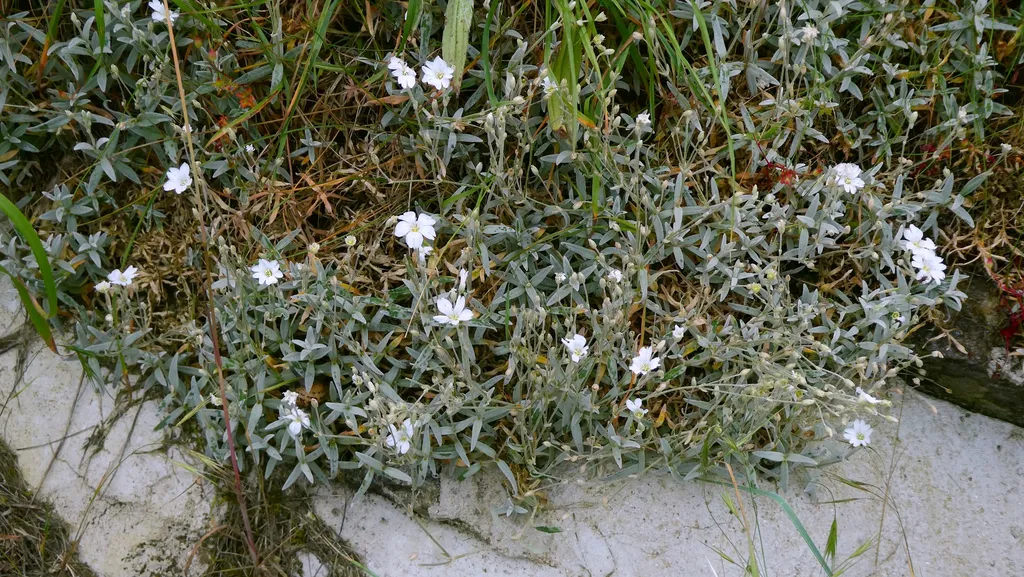
Snow-in-summer is a low-growing, mat-forming perennial known for its silvery foliage and profuse white flowers. To maintain its form and encourage vigorous growth, prune snow-in-summer in early spring or late winter. Remove any dead or damaged stems to promote new shoots. Cutting back after flowering can prevent legginess and control its spread. Regular pruning also helps improve air circulation, reducing disease risk. For best results, use sharp, clean tools to avoid damage.
Learn more →How to Propagate snow-in-summer?

Snow-in-summer, also known as Snow-in-summer, is typically propagated through cuttings during spring and summer. This method is moderately easy, and successful propagation is indicated by new, healthy leaf growth. Provide well-draining soil and avoid over-watering for optimal results.
Learn more →How to Transplant snow-in-summer?
For snow-in-summer, the perfect timing to transplant is during the vibrant growth of mid to late spring when conditions favor rooting. Pick a sunny spot with well-drained soil, and introduce some companionship with light feeders, encouraging a seamless integration to its new home.
Learn more →How to Plant snow-in-summer?
Indoors-potted: For indoor charm, snow-in-summer will need strategic positioning to ensure it receives ample light for its vibrant foliage. Outdoors-potted: Snow-in-summer thrives in outdoor containers with good drainage, allowing it to display its snowy blossoms generously. Outdoors-in the ground: When planted in the ground, snow-in-summer becomes a stellar groundcover, spreading rapidly to create a carpet of white in its preferred season.
Learn more →How to Repot snow-in-summer?
Snow-in-summer, a low-growing ground cover, thrives best when repotted every 2-3 years to accommodate its spreading habit. Early spring, before new growth starts, is ideal as this prepares snow-in-summer for its seasonal flourish. Choose a slightly larger, well-draining pot to prevent root crowding. Post-repotting, water moderately and place in a sunny location to ensure vigorous growth and stunning white blooms characteristic of snow-in-summer.
Learn more →Common Pests & Diseases

Diseases
Generally disease free
Pests
Generally pest-free
Explore the plant health library →Troubleshooting
Leggy Stems, Sparse Flowering, or Root Rot
snow-in-summer (Cerastium tomentosum) performs best in well-drained soil with appropriate sunlight and regular deadheading; soggy soil rots roots, while low light or skipped pinching causes leggy growth.
| What you notice | Possible explanation | What to check next |
|---|---|---|
| Stems stretch tall and floppy with sparse blooms | Insufficient direct sunlight, lack of early-season pinching/deadheading, or excess high-nitrogen fertilizer | Assess daily sun hours and check whether spent flowers are left to set seed |
| Lower leaves turn yellow and plant wilts while soil stays wet and heavy | Root or stem rot from overwatering or poor drainage (Generally disease free) | Check soil drainage and ensure containers have open drainage holes |
- Grow in fertile, well-drained soil in full sun, spacing plants for good airflow.
- Water consistently without waterlogging: Moderate regular watering, allowing brief slight drying between soakings.
- Maintain compact flowering growth: No pruning required.
Stop watering waterlogged containers immediately and improve drainage before fungal root or stem rot spreads.
Powdery Mildew, Rust, or Aphids and Slugs
Crowded foliage, dry root stress, or damp stagnant air can trigger mildew or rust on snow-in-summer (Cerastium tomentosum), while tender shoots attract pests.
| What you notice | Possible explanation | What to check next |
|---|---|---|
| White powdery coating or rusty/dark spots on leaves in humid or drought-stressed beds | Fungal disease (Generally disease free) | Inspect lower leaves and spent blooms and check plant spacing |
| Distorted shoot tips with aphids, or ragged holes chewed in young leaves | Common pests (Generally pest-free) | Check shoot tips, leaf undersides, and damp ground around the crown |
- Water at the base of the plant early in the day rather than overhead, and divide congested clumps in spring or autumn every 2–3 years.
- Remove diseased leaves and faded flowers promptly, and clear plant debris at season's end.
- Manage aphids with a firm water spray or insecticidal soap per label directions, and protect young shoots from slugs.
Protect frost-tender tubers or half-hardy bedding indoors or under glass before autumn frosts.