



Planting and Growing African lily 'Lilac Lullaby'

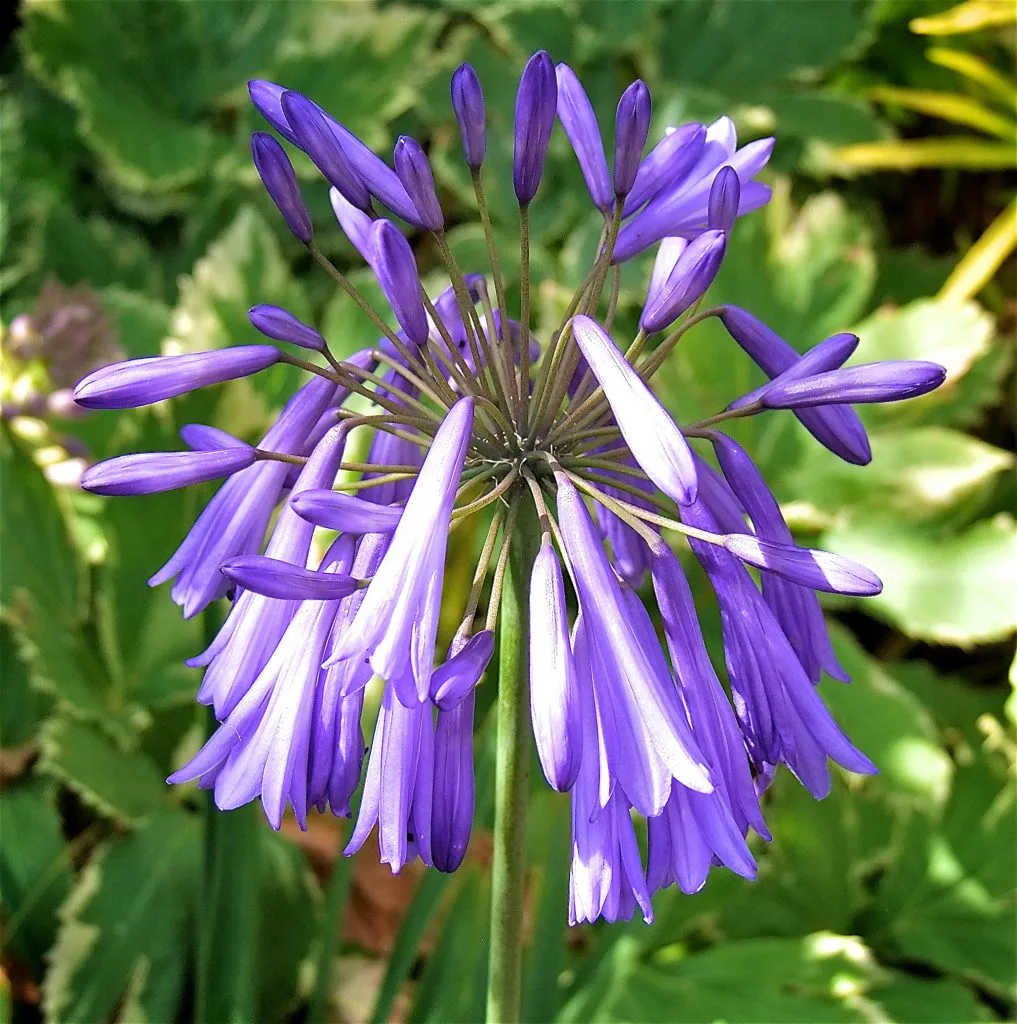
| Care difficulty | 3 / 5 |
|---|---|
| Watering schedule | Water regularly in growth, reduce when dormant or cool |
| Sunlight requirements | Full sun |
| Ideal temperature | Information to be completed |
| Soil type | Chalk · Loam · Sand |
| Soil pH | Acid · Alkaline · Neutral |
| Soil moisture | Moist but well drained · Well drained |
| Fertilizing | Balanced feed monthly during spring and summer growth |
| Toxicity | Harmful if eaten. Wear gloves and other protective equipment when handling |
How to Water African lily 'Lilac Lullaby'?
Water regularly in growth, reduce when dormant or cool
Learn more →What Are the Sunlight Requirements for African lily 'Lilac Lullaby'?
Full sun
Learn more →What Soil Is Best for African lily 'Lilac Lullaby'?
- Soil type
- Chalk · Loam · Sand
- Soil pH
- Acid · Alkaline · Neutral
What Are the Moisture Requirements for African lily 'Lilac Lullaby'?
Moist but well drained · Well drained
Learn more →How to Fertilize African lily 'Lilac Lullaby'?

Balanced feed monthly during spring and summer growth
Learn more →How to Prune African lily 'Lilac Lullaby'?

Cut back in autumn as foliage goes brown. Cut back flower spikes as they go over, unless you want to keep seedheads for winter interest
Learn more →How to Propagate African lily 'Lilac Lullaby'?

Sow seed when ripe or in spring, keep in cold frame whilst small and protect in winter. Divide clumps in Spring every two-three years
Learn more →How to Plant African lily 'Lilac Lullaby'?
Grow in fertile, moist but well-drained soil in full sun or grow in a container. In cold areas, mulch well overwinter and take containers under cover. May need extra winter protection. See agapanthus cultivation
Learn more →Common Pests & Diseases

Diseases
May be susceptible to a virus
Pests
May be susceptible to slugs and snails and agapanthus gall midge
Explore the plant health library →The Toxicity of African lily 'Lilac Lullaby'
Harmful if eaten. Wear gloves and other protective equipment when handling