



Planting and Growing Daphne odora 'Sweet Amethyst'

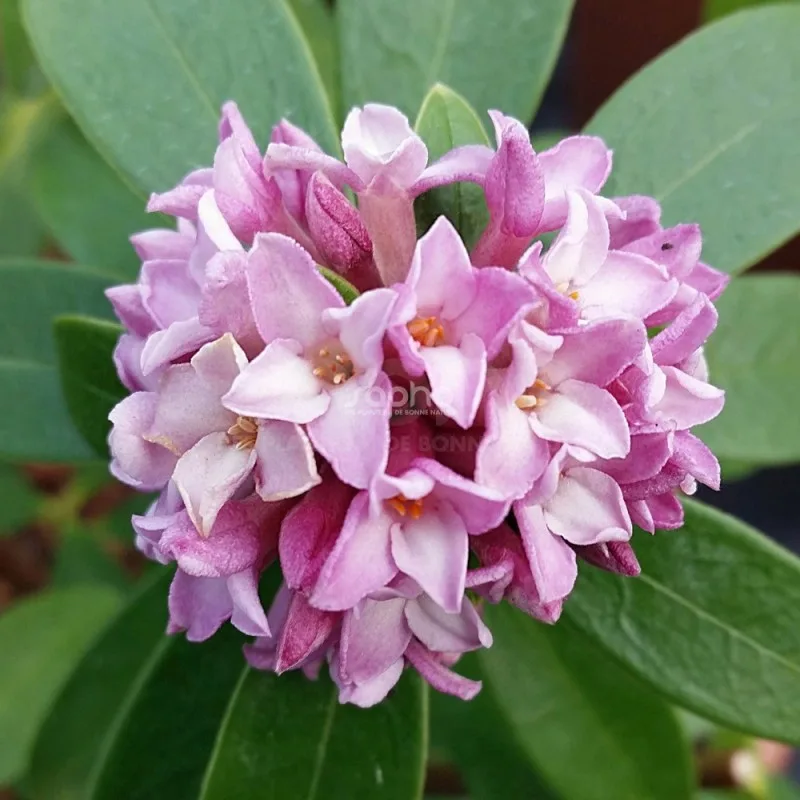
| Care difficulty | 3 / 5 |
|---|---|
| Watering schedule | Even mild soil moisture, cut back watering amounts in cold winter |
| Sunlight requirements | Full sun · Partial shade |
| Ideal temperature | Information to be completed |
| Soil type | Chalk · Clay · Loam · Sand |
| Soil pH | Acid · Alkaline · Neutral |
| Soil moisture | Moist but well drained |
| Fertilizing | Weak acid shrub feed every month during spring and early summer |
| Toxicity | TOXIC if eaten, skin irritant. Wear gloves and other protective equipment when handling] |
How to Water Daphne odora 'Sweet Amethyst'?
Even mild soil moisture, cut back watering amounts in cold winter
Learn more →What Are the Sunlight Requirements for Daphne odora 'Sweet Amethyst'?
Full sun · Partial shade
Learn more →What Soil Is Best for Daphne odora 'Sweet Amethyst'?
- Soil type
- Chalk · Clay · Loam · Sand
- Soil pH
- Acid · Alkaline · Neutral
What Are the Moisture Requirements for Daphne odora 'Sweet Amethyst'?
Moist but well drained
Learn more →How to Fertilize Daphne odora 'Sweet Amethyst'?

Weak acid shrub feed every month during spring and early summer
Learn more →How to Prune Daphne odora 'Sweet Amethyst'?

Keep pruning to a minimum: remove dead, damaged or unwanted growth; if shaping is needed, trim lightly after flowering.
Learn more →How to Propagate Daphne odora 'Sweet Amethyst'?

Propagate by semi-ripe heel cuttings
Learn more →How to Plant Daphne odora 'Sweet Amethyst'?
Grow in fertile, moist but well-drained soil in full sun to partial shade. Mulch annually in spring with well-rotted organic matter to keep the roots cool. Not reliably hardy in exposed conditions, may need winter protection. Resents root disturbance and transplanting. See daphne cultivation for more information
Learn more →Common Pests & Diseases

Diseases
May be susceptible to honey fungus (rarely), phytophthora root rot, fungal leaf spot and virus diseases
Pests
May be susceptible to aphids
Explore the plant health library →The Toxicity of Daphne odora 'Sweet Amethyst'
TOXIC if eaten, skin irritant. Wear gloves and other protective equipment when handling]