



Planting and Growing Canna × generalis Cannova Mango ('Fcaa10')

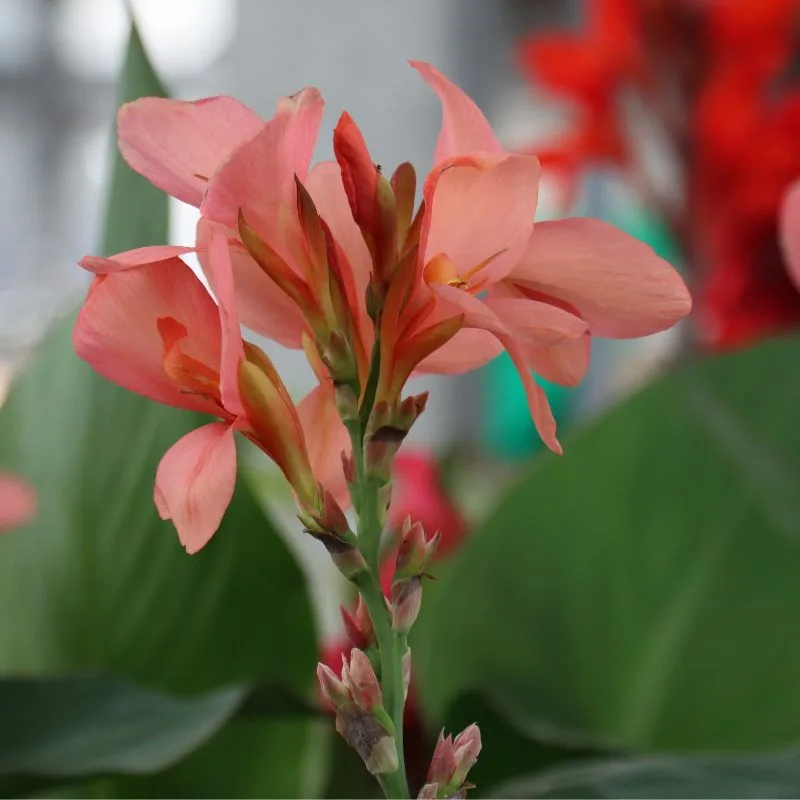
| Care difficulty | 3 / 5 |
|---|---|
| Watering schedule | Keep moisture even through flowering and fruiting, avoiding hard dry swings |
| Sunlight requirements | Full sun |
| Ideal temperature | Information to be completed |
| Soil type | Loam · Sand |
| Soil pH | Acid · Alkaline · Neutral |
| Soil moisture | Moist but well drained |
| Fertilizing | Tomato or pepper feed every one to two weeks in fruiting season |
| Toxicity | Information to be completed |
How to Water Canna × generalis Cannova Mango ('Fcaa10')?
Keep moisture even through flowering and fruiting, avoiding hard dry swings
Learn more →What Are the Sunlight Requirements for Canna × generalis Cannova Mango ('Fcaa10')?
Full sun
Learn more →What Soil Is Best for Canna × generalis Cannova Mango ('Fcaa10')?
- Soil type
- Loam · Sand
- Soil pH
- Acid · Alkaline · Neutral
What Are the Moisture Requirements for Canna × generalis Cannova Mango ('Fcaa10')?
Moist but well drained
Learn more →How to Fertilize Canna × generalis Cannova Mango ('Fcaa10')?

Tomato or pepper feed every one to two weeks in fruiting season
Learn more →How to Prune Canna × generalis Cannova Mango ('Fcaa10')?

Remove spent flower stalks to encourage further flowering
Learn more →How to Propagate Canna × generalis Cannova Mango ('Fcaa10')?

Propagate by division in spring, or by sowing seed in spring. The seed needs to be chipped or soaked in warm water for 24 hours prior to sowing
Learn more →How to Plant Canna × generalis Cannova Mango ('Fcaa10')?
As a patio plant grow in pots of loamless compost in a sheltered site in full sun. Plants can also be planted into a sunny border. Water freely and apply a high potassium feed every 2-3 weeks in the growing season. Lift the rhizomes in autumn when frost blackens the foliage. Store over winter in barely moist compost in frost-free conditions. See canna cultivation for further information
Learn more →Common Pests & Diseases

Diseases
May be susceptible to Canna viruses
Pests
May be susceptible to slugs, snails and glasshouse red spider mite
Explore the plant health library →