



Planting and Growing Ranunculus 'Accolade'

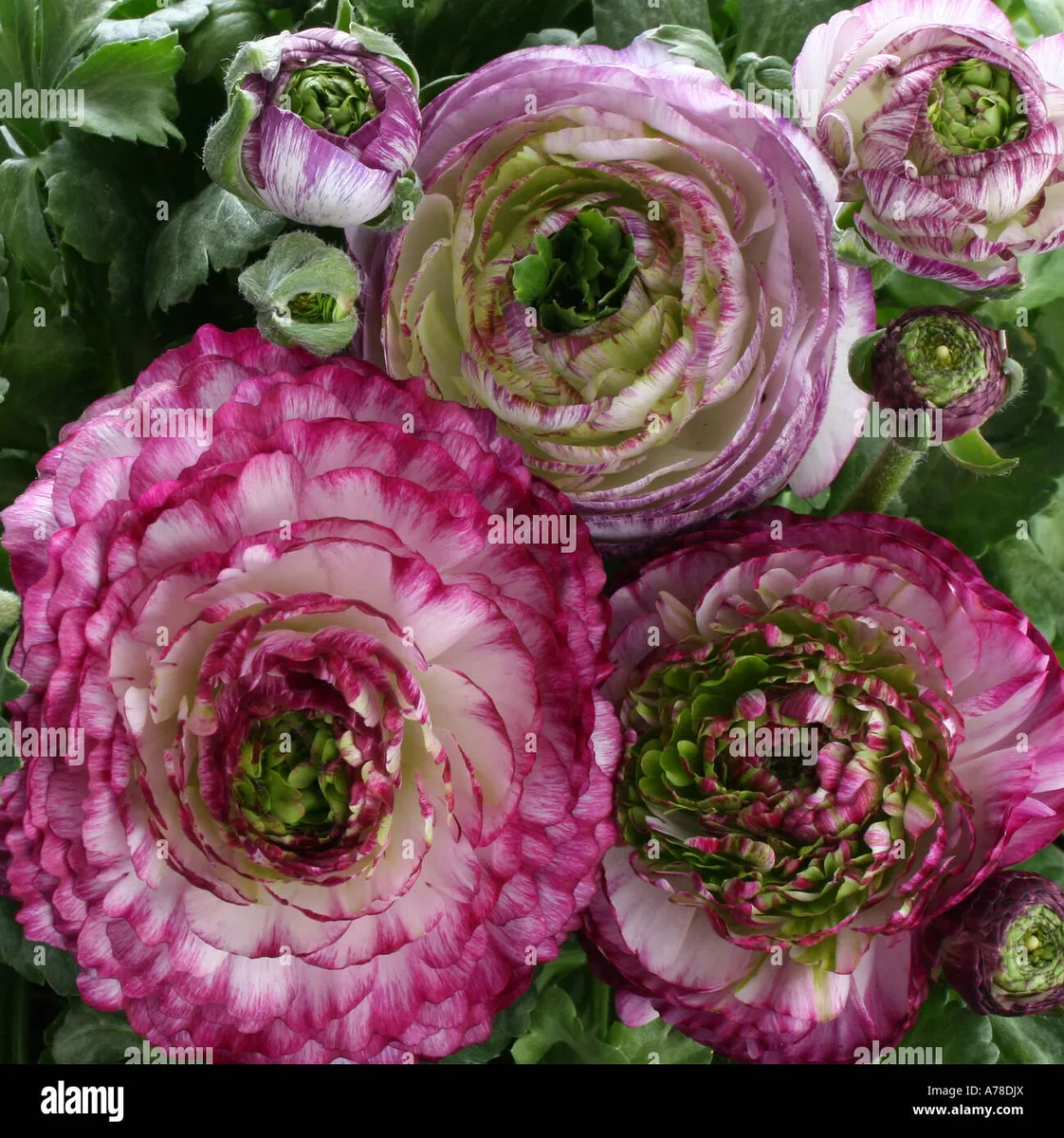
| Care difficulty | 3 / 5 |
|---|---|
| Watering schedule | Moderate regular watering, allowing brief slight drying between soakings |
| Sunlight requirements | Full sun |
| Ideal temperature | Information to be completed |
| Soil type | Loam · Sand |
| Soil pH | Acid · Alkaline · Neutral |
| Soil moisture | Well drained |
| Fertilizing | Balanced perennial feed every four weeks from spring through summer |
| Toxicity | Harmful if eaten, skin irritant. Wear gloves and other protective equipment when handling] |
How to Water Ranunculus 'Accolade'?
Moderate regular watering, allowing brief slight drying between soakings
Learn more →What Are the Sunlight Requirements for Ranunculus 'Accolade'?
Full sun
Learn more →What Is the Ideal Temperature Range for Ranunculus 'Accolade'?

Information to be completed
Learn more →What Soil Is Best for Ranunculus 'Accolade'?
- Soil type
- Loam · Sand
- Soil pH
- Acid · Alkaline · Neutral
What Are the Moisture Requirements for Ranunculus 'Accolade'?
Well drained
Learn more →How to Fertilize Ranunculus 'Accolade'?

Balanced perennial feed every four weeks from spring through summer
Learn more →How to Prune Ranunculus 'Accolade'?

Remove spent flowers
Learn more →How to Propagate Ranunculus 'Accolade'?

Propagate by seed or by division
Learn more →How to Transplant Ranunculus 'Accolade'?
Information to be completed
Learn more →How to Care for Ranunculus 'Accolade' in Winter?

Information to be completed
Learn more →How to Plant Ranunculus 'Accolade'?
May be started from seed to flower in its second year, or from clusters of claw-like tubers planted in autumn or spring. Requires a dry, dormant period in summer. Grows best under unheated glass with good light and ventilation, using a fertile, humus-rich, free-draining compost such as a mix of equal parts loam, leaf mould and grit. Can also be used as a short-term bedding plant on well-drained soils
Learn more →How to Repot Ranunculus 'Accolade'?
Information to be completed
Learn more →How to Harvest Ranunculus 'Accolade'?

Information to be completed
Learn more →Common Pests & Diseases

Diseases
May be susceptible to powdery mildews and grey moulds
Pests
May be susceptible to aphids, slugs and snails
Explore the plant health library →The Toxicity of Ranunculus 'Accolade'
Harmful if eaten, skin irritant. Wear gloves and other protective equipment when handling]