



Planting and Growing Pastinaca sativa 'Viper'

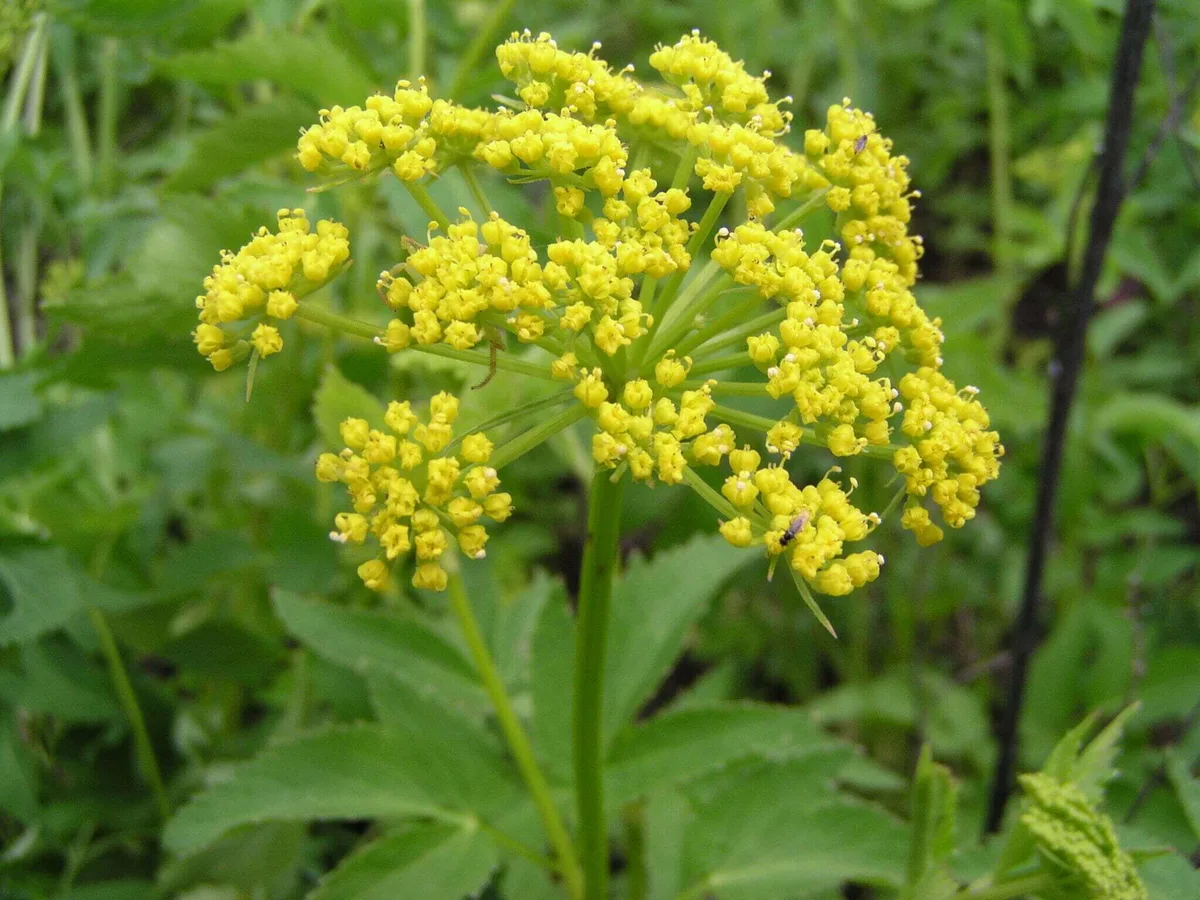
| Care difficulty | 3 / 5 |
|---|---|
| Watering schedule | Moderate regular watering, avoid prolonged drought or waterlogging |
| Sunlight requirements | Partial shade · Full sun |
| Ideal temperature | Information to be completed |
| Soil type | Chalk · Clay · Loam · Sand |
| Soil pH | Acid · Neutral |
| Soil moisture | Moist but well drained |
| Fertilizing | Balanced feed in spring and light repeat in growth season |
| Toxicity | Harmful to skin with sunlight. Wear gloves and other protective equipment when handling |
How to Water Pastinaca sativa 'Viper'?
Moderate regular watering, avoid prolonged drought or waterlogging
Learn more →What Are the Sunlight Requirements for Pastinaca sativa 'Viper'?
Partial shade · Full sun
Learn more →What Soil Is Best for Pastinaca sativa 'Viper'?
- Soil type
- Chalk · Clay · Loam · Sand
- Soil pH
- Acid · Neutral
What Are the Moisture Requirements for Pastinaca sativa 'Viper'?
Moist but well drained
Learn more →How to Fertilize Pastinaca sativa 'Viper'?

Balanced feed in spring and light repeat in growth season
Learn more →How to Prune Pastinaca sativa 'Viper'?

No pruning required
Learn more →How to Propagate Pastinaca sativa 'Viper'?

Propagate by seed. See sowing vegetable seeds
Learn more →How to Plant Pastinaca sativa 'Viper'?
Grow on an open, sunny site with deep, light soil. Keep the soil evenly moist to prevent roots splitting. Add well-rotted manure the previous autumn, especially if growing on a clay or chalk soil. Chalk and clay aren’t ideal for growing parsnips so you could also try deep containers. The ideal soil pH is 6.5-7 so adjust pH where necessary. See parsnip cultivation for more information.
Learn more →Common Pests & Diseases

Diseases
May be susceptible to parsnip canker.
Pests
May be susceptible to carrot fly.
Explore the plant health library →The Toxicity of Pastinaca sativa 'Viper'
Harmful to skin with sunlight. Wear gloves and other protective equipment when handling