



Planting and Growing oriental poppy 'Raspberry Queen'

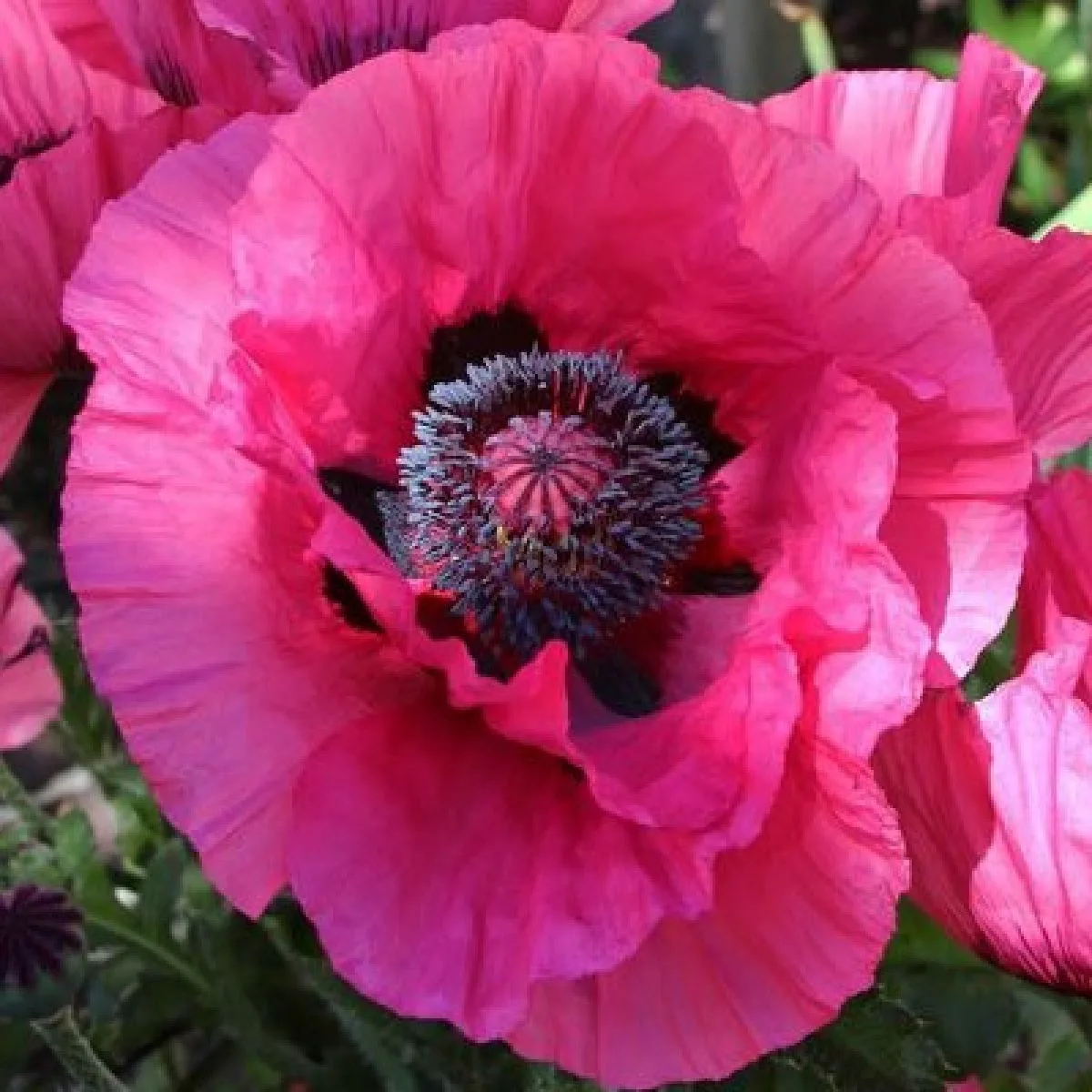
| Care difficulty | 2 / 5 |
|---|---|
| Watering schedule | Regular moderate watering, extra irrigation supply amid intense summer sunlight |
| Sunlight requirements | Full sun |
| Ideal temperature | Information to be completed |
| Soil type | Chalk · Clay · Loam · Sand |
| Soil pH | Acid · Alkaline · Neutral |
| Soil moisture | Moist but well drained · Well drained |
| Fertilizing | Low nitrogen bloom fertilizer every three weeks pre-bud growth stage |
| Toxicity | Information to be completed |
How to Water oriental poppy 'Raspberry Queen'?
Regular moderate watering, extra irrigation supply amid intense summer sunlight
Learn more →What Are the Sunlight Requirements for oriental poppy 'Raspberry Queen'?
Full sun
Learn more →What Is the Ideal Temperature Range for oriental poppy 'Raspberry Queen'?

Information to be completed
Learn more →What Soil Is Best for oriental poppy 'Raspberry Queen'?
- Soil type
- Chalk · Clay · Loam · Sand
- Soil pH
- Acid · Alkaline · Neutral
What Are the Moisture Requirements for oriental poppy 'Raspberry Queen'?
Moist but well drained · Well drained
Learn more →How to Fertilize oriental poppy 'Raspberry Queen'?

Low nitrogen bloom fertilizer every three weeks pre-bud growth stage
Learn more →How to Prune oriental poppy 'Raspberry Queen'?

Cut spent flowering stems back to the ground, unless seed heads are required. Cut back foliage as it fades in summer
Learn more →How to Propagate oriental poppy 'Raspberry Queen'?

Propagate by division in spring, or by root cuttings in late autumn and early winter. Plants may produce seed, but seedlings may not be true to the parent plant
Learn more →How to Transplant oriental poppy 'Raspberry Queen'?
Information to be completed
Learn more →How to Care for oriental poppy 'Raspberry Queen' in Winter?

Information to be completed
Learn more →How to Plant oriental poppy 'Raspberry Queen'?
Will thrive in most soils, as long as there is good drainage, but a moderately fertile, humus-rich soil that is not too acidic is ideal. Position in full sun and provide support, as stems can flop after heavy rain (see staking perennials)
Learn more →How to Repot oriental poppy 'Raspberry Queen'?
Information to be completed
Learn more →How to Harvest oriental poppy 'Raspberry Queen'?

Information to be completed
Learn more →Common Pests & Diseases

Diseases
May be susceptible to downy mildews, powdery mildews, fungal wilts and verticillium wilt
Pests
May be susceptible to aphids
Explore the plant health library →The Toxicity of oriental poppy 'Raspberry Queen'
Information to be completed